

How long can you leave a cat alone at home? The answer is shorter than many pet owners assume. In Spain, nearly six million cats live in households, and owners often wonder about this when planning a trip. Cats have a reputation for independence, but that doesn't mean they can be left without care for days. We spoke with a feline educator to answer this and other questions.
What the Law Says About Leaving Cats Alone
Before anything else, it's important to know what the Animal Welfare Law states. The law establishes a series of prohibitions regarding companion animals, including the maximum time they can be left without supervision. For cats, that limit is three consecutive days. If you also have a dog, the maximum time you can leave it alone by law is 24 hours.
Find Original Home Decor sparking conversation at Grand Goldman Shop.

However, legal limits don't necessarily reflect what's best for the animal. Experts warn that the law's allowance may still put cats at risk.
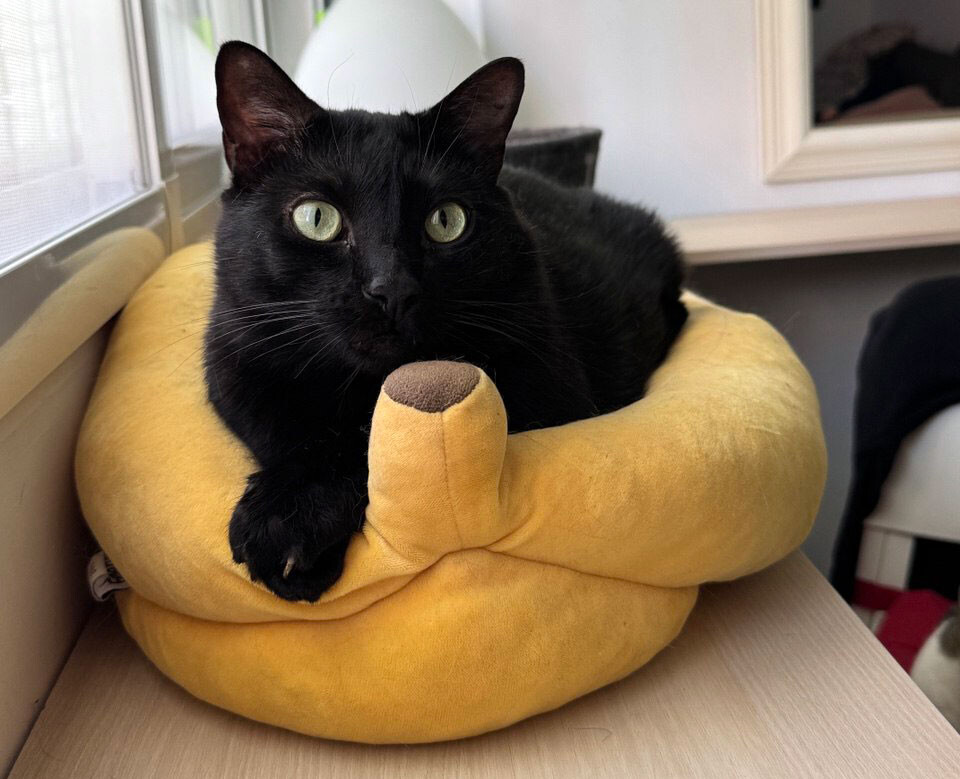
24 Hours as the Real Maximum
We spoke with Noelia Hernández, a feline educator at Código Felino, who explained that the law's provisions are not enough. In her view, the maximum time to leave a cat unsupervised should never exceed 24 hours. There are weighty reasons for this: "If you can't monitor whether your cat eats or uses the litter box, a veterinary emergency can occur within 24 hours," Noelia warns.
If your cat stops eating while you're away, within 24 hours it can lead to the dreaded hepatic lipidosis. This disease is fatal and quite common.
Why Cats Need Daily Supervision
Cats are masters at hiding illness, so subtle changes in appetite or litter box habits can go unnoticed. Without daily observation, you might miss early signs of serious conditions. Hepatic lipidosis, also known as fatty liver disease, often develops when a cat stops eating due to stress or illness. It can become life-threatening quickly. The background to this story is set out in Cat Care While Traveling: Why Supervision Is Essential for Your Feline. A related thread runs through Leaving Pets on Balcony: Fines Under Spain's Animal Welfare Law. Earlier coverage in Cat Care Myths: Why Cats Need More Than Food and Litter shows how the argument developed.
Additionally, cats can get into accidents or become trapped while you're away. Daily check-ins ensure they are safe and healthy. A closer look at the same subject appears in 17 Cats and Dogs Who Cannot Leave Their Owners Alone For A Second. Anyone following the wider picture can start with Cat Owners Share Stories Of Little Things Their Cats Do To Show How Much They Care. The same theme surfaces in Free Greek Island Stay: Volunteer to Care for 3,000 Cats, which takes a different angle.
Key Takeaways for Cat Owners
- Legal limit vs. safe limit: The law allows up to three days, but experts recommend no more than 24 hours without supervision.
- Health risks: Cats that stop eating can develop fatal hepatic lipidosis within 24 hours.
- Hiding behavior: Cats mask illnesses, so daily observation is crucial.
- Alternative care: Arrange for a pet sitter or daily visits if you'll be away.
- Legal differences: Dogs can be left alone for a maximum of 24 hours by law, while cats have a longer legal limit but higher health risks.
Comparison of Legal and Recommended Limits
| Animal | Legal Maximum (Spain) | Recommended Maximum |
|---|---|---|
| Cat | 3 consecutive days | 24 hours |
| Dog | 24 hours | 24 hours (or less) |
What to Do Before Leaving Your Cat Alone
If you must be away, plan ahead. Arrange for a trusted pet sitter to visit at least once a day. Ensure your cat has access to fresh water, food, and a clean litter box. Consider automatic feeders and water fountains, but these are not a substitute for human supervision.Also, leave emergency contact numbers with your sitter and inform your vet that you'll be away. Context on how this played out before sits in Home Owner Finds A Stray Cat At The Door, Later Finds Out That She Is Not Alone. A companion piece, 18 Cats Who Don’t Care About Your Personal Space And Live Like They Own The House, approaches the same subject from another angle.
FAQ
Can I leave my cat alone for 3 days?
While the law in Spain allows up to three days, experts strongly advise against it. Cats should not go more than 24 hours without supervision due to health risks like hepatic lipidosis.
What happens if my cat doesn't eat for 24 hours?
If a cat stops eating for 24 hours, it can develop hepatic lipidosis, a potentially fatal liver disease. Immediate veterinary attention is necessary.
Is it okay to leave my cat alone for 24 hours?
According to feline educator Noelia Hernández, 24 hours should be the absolute maximum. However, it's always better to have someone check in daily.
What should I do if I have to leave my cat alone?
Arrange for a pet sitter to visit at least once a day. Ensure your cat has food, water, and a clean litter box, and leave emergency contacts with your sitter.
Browse the Shop
 Acacia frida deluxe solid wood bed frame |
Bedroom bench |
Bed chest drawers |
Lingerie dresser |
Frame base |
Mirror with jewelry storage |
30 Bathroom Vanity |
Memory foam queen mattress |
Mattresses for back pain |
Nightstand set of 2 |
Grand Goldman Shop |
Civil Lawyer
Deutschland Trikot WM 2026







