

The DGT never texts you a fine—yet scammers keep sending fake SMS messages claiming you owe a traffic penalty. This smishing scam has been circulating for years, and it's designed to steal your money and personal data. Here's how it works and how to recognize it instantly.
What Is the Fake DGT Fine SMS Scam?
This scam falls under smishing—phishing via text messages. Attackers send thousands of SMS messages to random numbers, hoping someone will take the bait. The message claims to be from the DGT (Spain's traffic authority) and says you have an unpaid fine. It includes a link to a fake website where you're asked to pay.
Find Original Home Decor sparking conversation at Grand Goldman Shop.

The goal is simple: get you to enter your bank details or pay a small fee. Once you do, your account can be drained or your identity stolen.
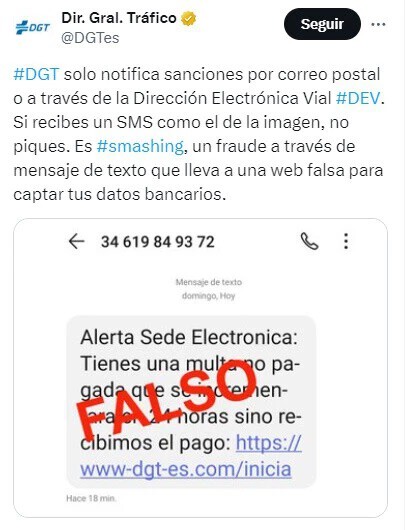
How the Scam Works Step by Step
First, you receive an SMS that looks official. It might even use the DGT logo or a similar sender name. The message creates urgency—claiming the fine must be paid immediately or you'll face penalties.
Next, you're directed to a fake DGT website that mimics the real one. It asks for your personal information, such as your name, ID number, and bank card details. Some versions even ask for a photo of your ID.
Once you submit the form, the scammers have everything they need. They can make unauthorized purchases, transfer funds, or sell your data on the dark web.
Why This Scam Is So Dangerous
The fake DGT fine SMS is particularly dangerous because it exploits trust in authority. Many people panic when they receive a fine notice and act quickly without verifying. The scammers count on this emotional response. Context on how this played out before sits in DGT Never Texts You a Fine: How the SMS Scam Drains Your Bank Account.
Moreover, the fake websites are often sophisticated. They may use HTTPS encryption and official-looking graphics, making them hard to distinguish from the real thing. The background to this story is set out in Trending: latest articles. A related thread runs through Check Real-Time Traffic Before and After the Solar Eclipse.
How to Recognize the Fake DGT SMS Instantly
Here are key warning signs to spot the scam:
- Unsolicited messages: The DGT does not notify fines via SMS. Official notifications come by mail or through the DGT's official app.
- Urgency and threats: Scammers pressure you to act fast, threatening additional penalties or legal action.
- Suspicious links: Check the URL carefully. Fake sites often use misspelled domains or unusual endings (e.g., .com instead of .es).
- Requests for sensitive data: Legitimate fine payments never ask for your bank card details via a link.
- Poor grammar or spelling: Many scam messages contain errors, though some are well-written.
What to Do If You Receive a Fake DGT SMS
If you get one of these messages, do not click any links. Delete the SMS immediately. If you're unsure, contact the DGT directly through their official website or phone number to verify. Earlier coverage in Spain's DGT Warns: Total Solar Eclipse Traffic Chaos on August 12 shows how the argument developed. A closer look at the same subject appears in What to Do If Your WhatsApp Account Gets Hacked.
If you've already clicked and entered information, contact your bank right away to block your card and monitor your accounts. Also, report the scam to the authorities. Anyone following the wider picture can start with Spain's Hazard Light Trick to Prevent Rear-End Collisions. The same theme surfaces in Spain's New Traffic Rules: E-Scooter Age Limit, Cyclists and Motorcycles, which takes a different angle.
Comparison: Real DGT Notifications vs. Scam Messages
| Feature | Real DGT Notification | Scam SMS |
|---|---|---|
| Delivery method | Postal mail or official app | SMS with link |
| Payment request | Via official channels (bank, DGT office) | Link to fake website |
| Urgency | Standard deadlines | Immediate threat of penalties |
| Sender | Official DGT letterhead | Unknown number or spoofed sender |
| Data requested | No sensitive data via link | Bank details, ID photo |
FAQ
Does the DGT ever send fines by SMS?
No, the DGT does not notify fines via SMS. Official notifications are sent by mail or through the DGT's official app. Any SMS claiming to be a fine is a scam.
What should I do if I clicked on the link?
If you clicked but didn't enter information, close the page and delete the message. If you entered bank details, contact your bank immediately to block your card and report the fraud.
How can I verify a DGT fine?
You can check for fines on the official DGT website (dgt.es) or by calling the DGT. Never use links from unsolicited messages.
Are these scammers ever caught?
Law enforcement does track some scammers, but many operate from abroad. Prevention is key: ignore suspicious messages and report them to the authorities.
Protect Yourself from Smishing Attacks
Beyond the DGT scam, smishing is a growing threat. Always be cautious with links in text messages, even if they appear to come from a known source. Use two-factor authentication where possible and keep your phone's security software updated.
Remember, legitimate organizations never ask for sensitive information via SMS. When in doubt, contact the organization directly using a verified number or website.
Browse the Shop
 Acacia frida deluxe solid wood bed frame |
Bedroom bench |
Bed chest drawers |
Lingerie dresser |
Frame base |
Mirror with jewelry storage |
30 Bathroom Vanity |
Memory foam queen mattress |
Mattresses for back pain |
Nightstand set of 2 |
Grand Goldman Shop |
Civil Lawyer
Deutschland Trikot WM 2026







