

When shopping for a new TV this Black Friday, understanding RGB MiniLED backlight technology is crucial. This innovative approach to backlighting is changing the rules of brightness and color, offering a new level of performance that could impact your viewing experience.
As discounts flood in and acronyms fly, it's easy to get lost in the jargon. But knowing the difference between MiniLED, QD-OLED, Micro RGB, and RGB MiniLED can help you make an informed decision. Among these, RGB MiniLED stands out for its unique ability to deliver both high brightness and accurate colors.
Find Original Home Decor sparking conversation at Grand Goldman Shop.

What Is RGB MiniLED Backlighting?
RGB MiniLED is an evolution of MiniLED technology. In traditional MiniLED, the backlight consists of thousands of tiny blue LEDs. The blue light passes through a quantum dot layer to produce red and green, creating white light. In contrast, RGB MiniLED uses separate red, green, and blue sub-LEDs in each backlight zone.
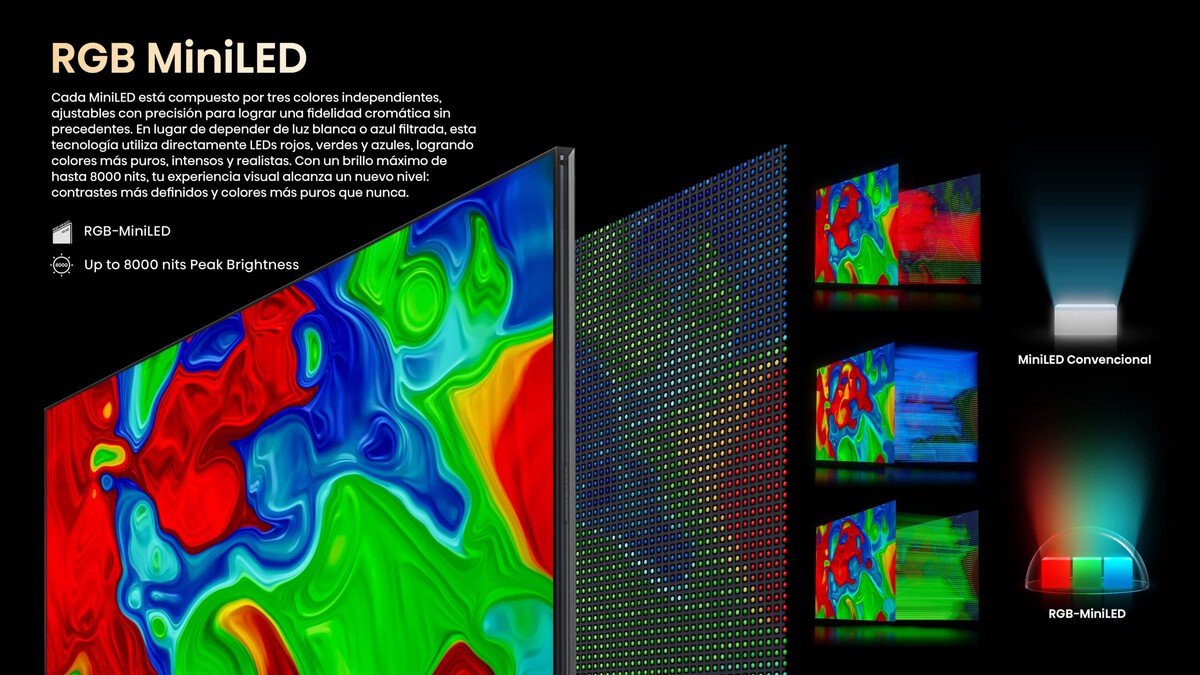
This means the processor can control not only the amount of light but also the color mix in each zone. As a result, RGB MiniLED can achieve more precise color reproduction and better contrast, especially in bright scenes.
How It Works
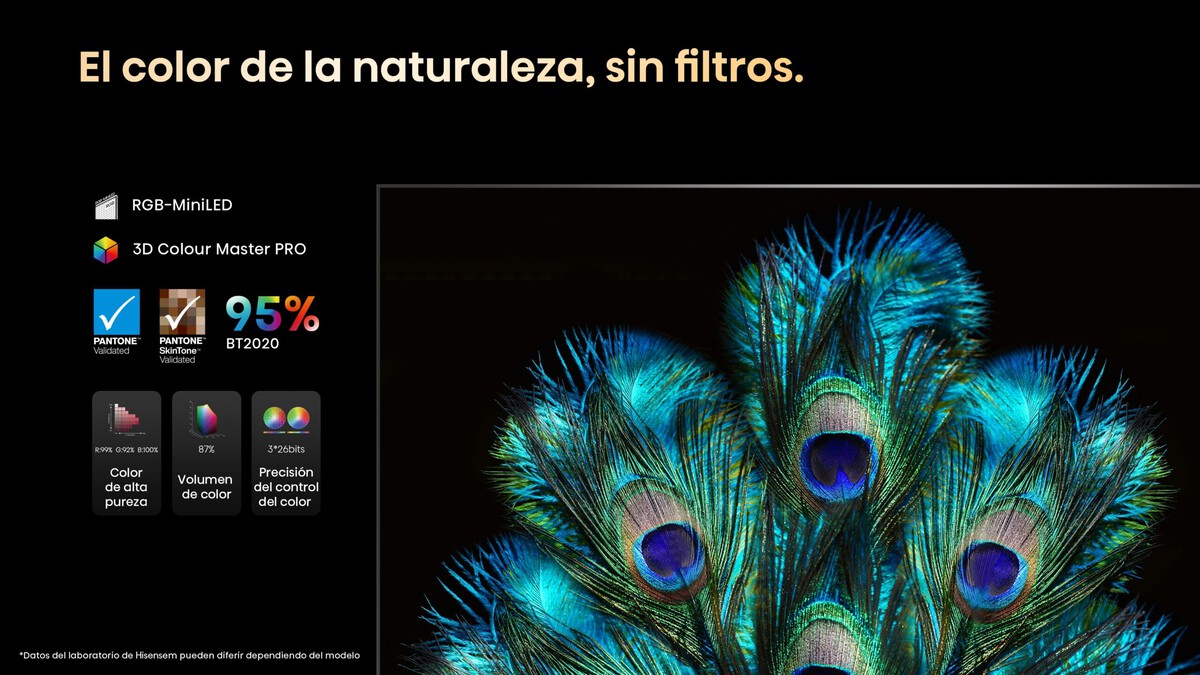
Each zone in an RGB MiniLED backlight contains red, green, and blue LEDs. By adjusting the intensity of each color independently, the TV can produce a wide gamut of colors without relying on a quantum dot layer. This direct control leads to purer colors and reduces light leakage.
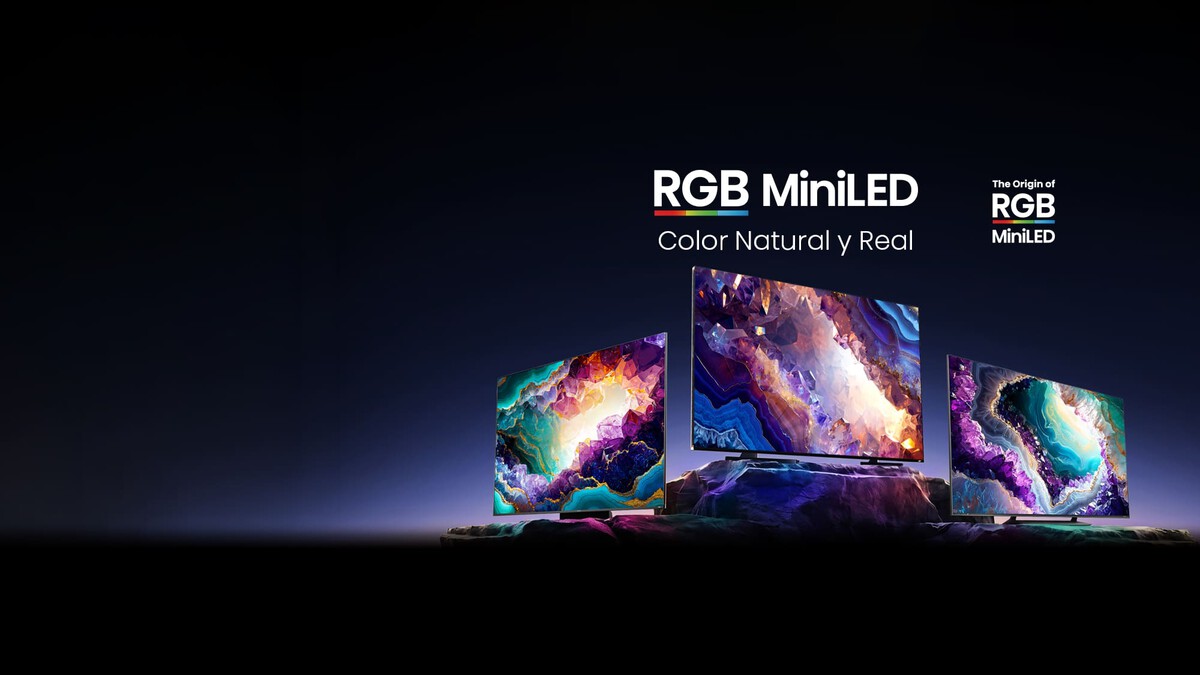
Moreover, because the LEDs are smaller, more zones can be packed into the same space, improving local dimming and reducing blooming around bright objects.
RGB MiniLED vs. Other TV Technologies
To understand the benefits of RGB MiniLED, it's helpful to compare it with other popular TV technologies. The table below summarizes key differences.
| Technology | Backlight Type | Color Generation | Key Advantage |
|---|---|---|---|
| Traditional MiniLED | Blue LEDs | Quantum dot layer | High brightness, good color |
| QD-OLED | Self-emissive (no backlight) | Quantum dots | Perfect blacks, wide viewing angles |
| Micro RGB | RGB LEDs (smaller) | Direct RGB | High pixel density |
| RGB MiniLED | RGB MiniLEDs | Direct RGB | Precise color and brightness control |
While OLED offers perfect blacks, it may not reach the brightness levels of RGB MiniLED. Traditional MiniLED is bright but can suffer from color volume issues. RGB MiniLED aims to combine the best of both worlds.
Why RGB MiniLED Matters for Your Next TV
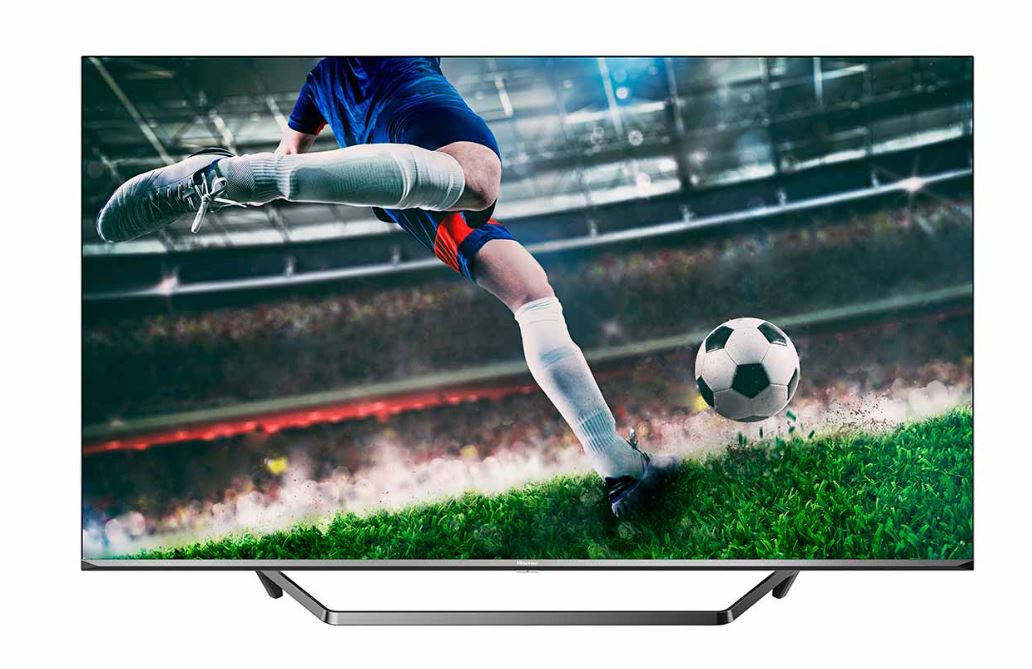
If you're considering a new TV, especially for a bright room, RGB MiniLED could be a game-changer. Its ability to produce high brightness without washing out colors makes it ideal for watching sports or movies during the day.
Additionally, the improved color accuracy means you'll see more lifelike images, whether you're streaming a nature documentary or playing video games. And with Black Friday deals, these advanced TVs might be more affordable than ever.
Key Benefits of RGB MiniLED
- Superior brightness: RGB MiniLED can achieve higher peak brightness than traditional LED TVs, making it great for well-lit rooms.
- Enhanced color accuracy: Direct RGB control produces purer colors and a wider color gamut.
- Better contrast: More dimming zones and precise control reduce blooming and improve black levels.
- Energy efficiency: By controlling only the needed LEDs, power consumption can be optimized.
- Future-proofing: As content becomes more HDR-heavy, RGB MiniLED is well-equipped to handle it.
What to Consider Before Buying
While RGB MiniLED sounds impressive, it's not without considerations. First, it's still a relatively new technology, so prices may be higher than traditional MiniLED. However, Black Friday sales could bring them closer. The background to this story is set out in Samsung 2026 TVs: Micro RGB, OLED, QLED and MiniLED Deals. A related thread runs through OLED vs MiniLED and RGB MiniLED: The 2026 TV Battle for Picture Quality. Earlier coverage in Sony Bravia 9 II Review: True RGB MiniLED Redefines Color Battle shows how the argument developed.
Second, the number of dimming zones matters. More zones generally mean better contrast, but implementation quality varies by brand. Look for reviews that test real-world performance. A closer look at the same subject appears in Hisense IFA 2026: RGB MiniLED TVs and AI Kitchen Appliances. Anyone following the wider picture can start with Hisense 2026 TVs: RGB MiniLED Takes Center Stage for World Cup. The same theme surfaces in Best Early Black Friday Tech Deals on Phones, TVs and Headphones, which takes a different angle.
Finally, consider your viewing environment. If you watch TV in a dark room, OLED might still be preferable for its perfect blacks. But if your room is bright, RGB MiniLED's brightness advantage is compelling. Context on how this played out before sits in Sony Bravia 9 II: RGB MiniLED TV with Ultimate Color Accuracy. A companion piece, Hisense UR9S Review: RGB MiniLED TV That Challenges OLED, approaches the same subject from another angle.
FAQ
What is the main difference between RGB MiniLED and traditional MiniLED?
Traditional MiniLED uses blue LEDs with a quantum dot layer to create colors, while RGB MiniLED uses separate red, green, and blue LEDs in each zone. This allows for more precise color control and better brightness.
Is RGB MiniLED better than OLED?
It depends on your needs. OLED offers perfect blacks and wide viewing angles, but RGB MiniLED can achieve higher brightness and vibrant colors, making it better for bright rooms. Both have trade-offs.
Will RGB MiniLED TVs be discounted on Black Friday?
While it's a newer technology, Black Friday often brings discounts across TV categories. It's worth checking retailers for deals on RGB MiniLED models, as prices may drop during the sales.
How many dimming zones should I look for in an RGB MiniLED TV?
More zones generally lead to better contrast and less blooming. However, the quality of implementation matters more than the number alone. Look for reviews that test local dimming performance.
Browse the Shop
 Acacia frida deluxe solid wood bed frame |
Bedroom bench |
Bed chest drawers |
Lingerie dresser |
Frame base |
Mirror with jewelry storage |
30 Bathroom Vanity |
Memory foam queen mattress |
Mattresses for back pain |
Nightstand set of 2 |
Grand Goldman Shop |
Civil Lawyer
Deutschland Trikot WM 2026







