

The real 'place in La Mancha' that Cervantes famously refused to name in the opening line of Don Quixote may finally have a name: Quintanar de la Orden. For centuries, scholars and readers have debated the identity of the village where the novel's hero lived, and new research points to this town in Toledo province as the most likely candidate.
The iconic phrase — “En un lugar de La Mancha, de cuyo nombre no quiero acordarme” — has puzzled literary detectives since the book's publication in 1605. But as with many mysteries, the answer may lie in the history, economy, and geography of the region itself.
Find Original Home Decor sparking conversation at Grand Goldman Shop.

Why Cervantes Refused to Name the Place
Cervantes opens his masterpiece with a deliberate act of omission. By refusing to name the village, he creates a universal setting that could be any town in La Mancha. Yet the phrase “no quiero acordarme” (I don't want to remember) suggests a personal or strategic motive.
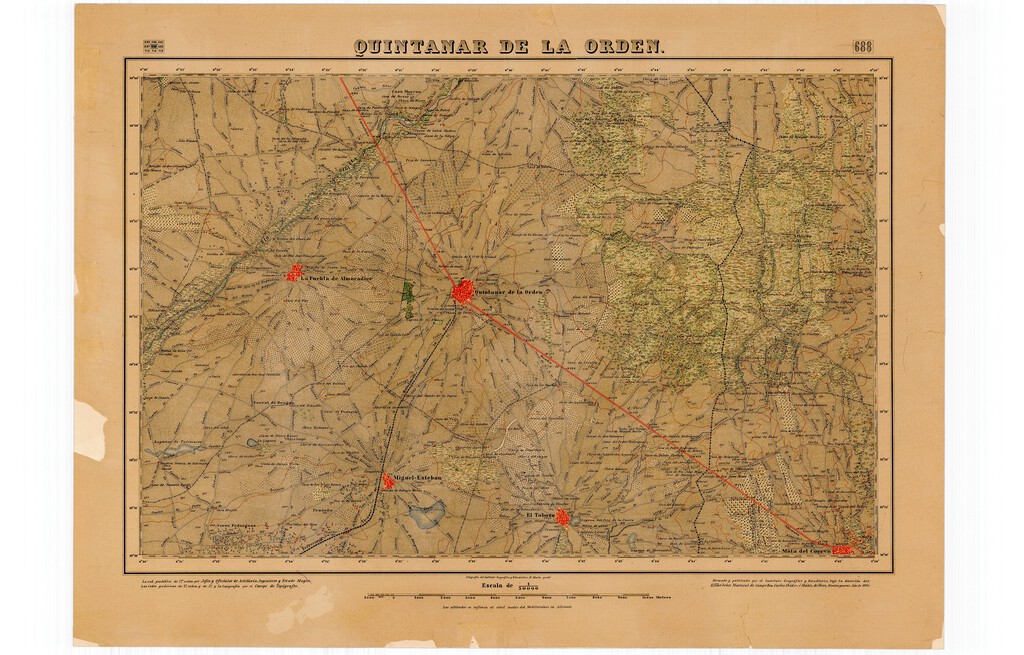
Some scholars argue that Cervantes, who had firsthand knowledge of the region's tax collectors and merchants, may have had reasons to avoid naming a specific place. The town of Quintanar de la Orden, with its deep ties to taxation and commerce, fits this theory perfectly.

Quintanar de la Orden: A Crossroads of History
Quintanar de la Orden was not just any village. For centuries, it served as a small territorial capital, attracting people from across the region for trade, justice, and tax collection. Its name derives from the Latin quintana, meaning a farmhouse or agricultural estate, but also a marketplace associated with Roman camps.
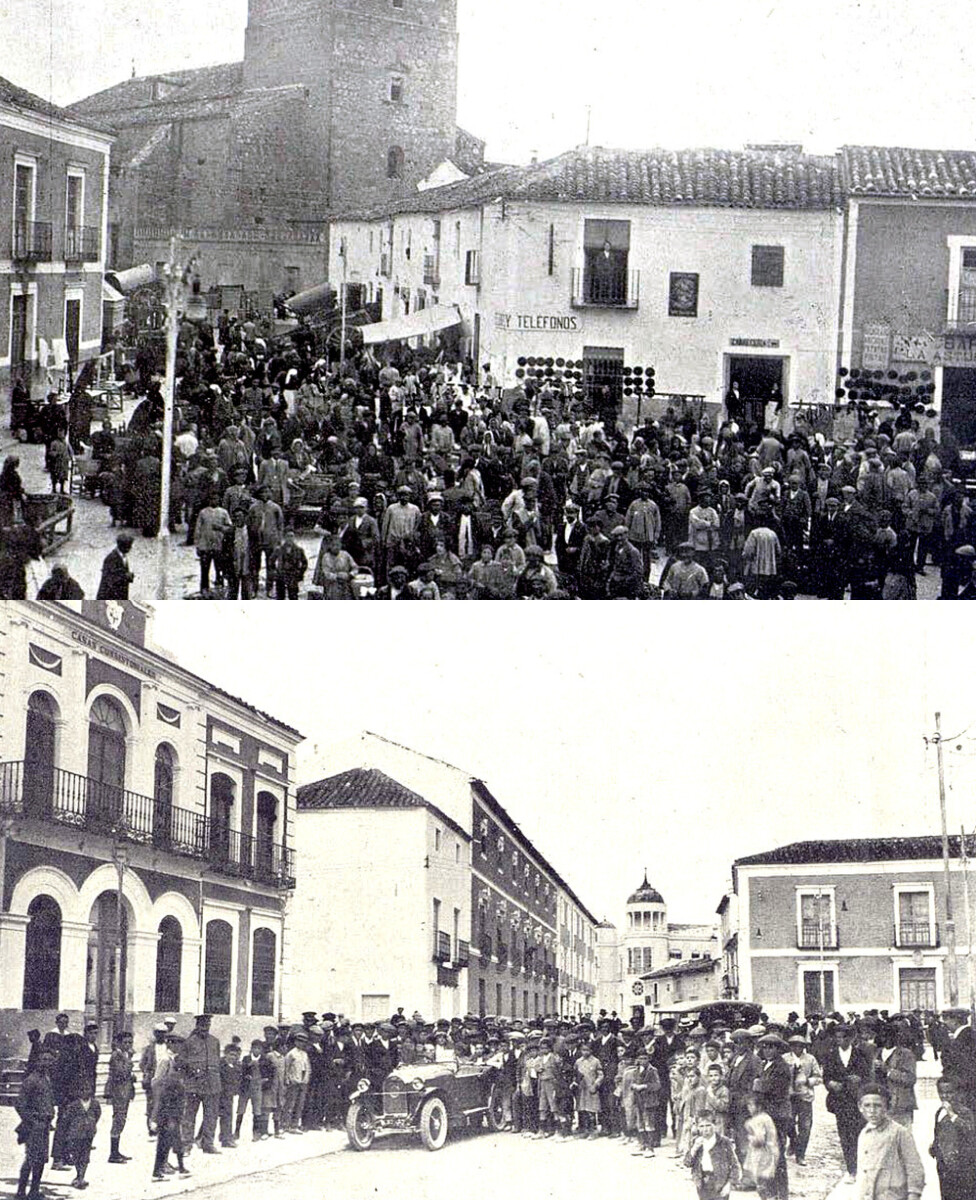
During the 16th century, Quintanar was integrated into the fiscal machinery of La Mancha. It was home to tax collectors, rent farmers, and merchants — figures who appear in historical records surrounding Cervantes' life. One such figure was Francisco Muñatones, a merchant and collector of alcabalas (sales taxes) in Quintanar, who has been linked to the author's circle.
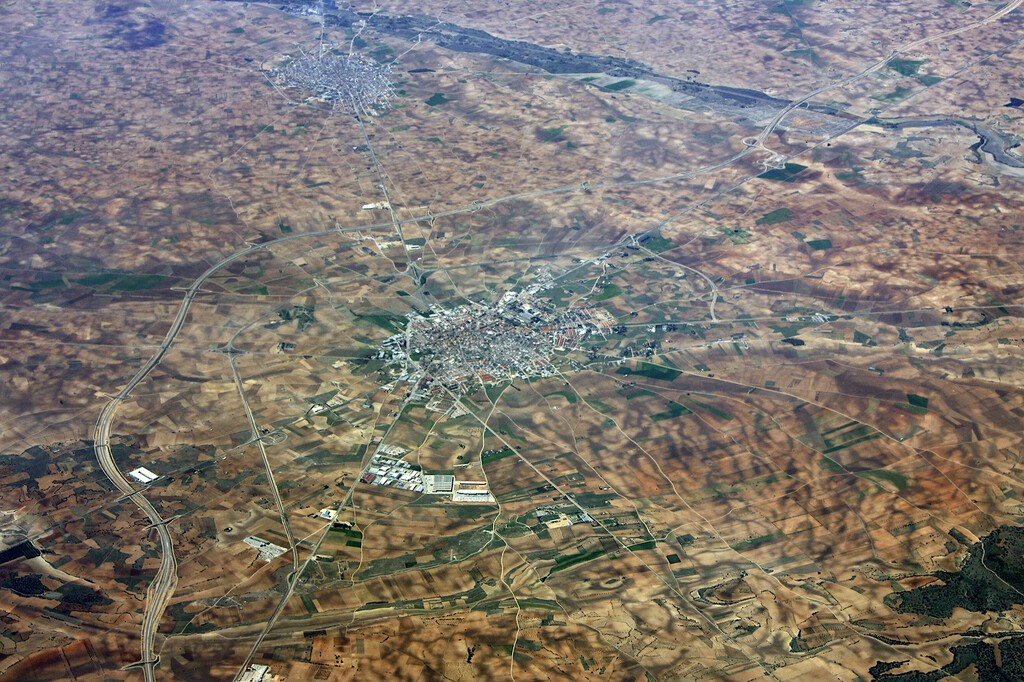
The Tax Collector Connection
Cervantes himself worked as a tax collector, and his experiences with the financial administration of La Mancha likely informed his writing. The presence of real-life tax collectors like Muñatones in Quintanar strengthens the case for the town as the unnamed village.
Moreover, the town's role as a commercial hub meant it was a place where stories and characters converged — exactly the kind of environment that could inspire a novel like Don Quixote.
Clues in the Text and Geography
Beyond historical records, the text of Don Quixote itself offers subtle clues. The novel mentions specific routes, distances, and landmarks that align with the geography around Quintanar de la Orden. For instance, the proximity to windmills and the descriptions of the landscape match the area.
Additionally, the town's location on major roads of the time made it a natural stopping point for travelers and merchants, further supporting its identification as the “place” Cervantes had in mind. The background to this story is set out in Trending: latest articles. A related thread runs through Einstein's 1923 Spain Tour: The Relativy Tour That Made Him a Superstar.
What This Means for Readers and Historians
The identification of Quintanar de la Orden adds a new layer of meaning to Don Quixote. It transforms the novel from a work of pure fiction into a story deeply rooted in a specific time and place. For readers, it offers a chance to walk the same streets that may have inspired Cervantes. Earlier coverage in Roman Camp Discovered in Swiss Alps at 2,200 Meters shows how the argument developed. A closer look at the same subject appears in Leonardo da Vinci's Hidden Map Reveals Secret Tunnels of Sforza Castle.
For historians, it provides a concrete link between literature and the social history of La Mancha. The town's walls today are adorned with murals of Quixote and Dulcinea, a testament to its enduring connection to the novel. Anyone following the wider picture can start with TRON: The Japanese OS That Became the Asian Windows. The same theme surfaces in Guardian Readers' 1929 Martian Message Puzzle: What Happened, which takes a different angle.
Key Takeaways
- Quintanar de la Orden is a strong candidate for the unnamed 'place in La Mancha' in Don Quixote.
- Cervantes' refusal to name the village may stem from its association with tax collectors and his own experiences.
- The town's history as a commercial and administrative hub aligns with clues in the novel.
- Real-life figures like Francisco Muñatones connect Quintanar to Cervantes' world.
- The identification adds historical depth to the novel and invites literary tourism.
Comparing the Candidates
| Town | Key Evidence | Connection to Cervantes |
|---|---|---|
| Quintanar de la Orden | Tax records, commercial hub, name origin | Francisco Muñatones, tax collector |
| Argamasilla de Alba | Local tradition, prison where Cervantes allegedly wrote | Legendary imprisonment |
| Esquivias | Cervantes' wife's hometown | Family ties |
FAQ
Why did Cervantes say he didn't want to remember the place?
Cervantes likely used the phrase to create a sense of mystery and universality. It may also reflect a personal reluctance to name a town associated with tax collection, a profession he knew well.
Is Quintanar de la Orden officially recognized as the birthplace of Don Quixote?
No, there is no official recognition. The identification is based on historical and literary research, and the debate continues among scholars.
What evidence supports Quintanar de la Orden?
Evidence includes the town's role as a tax and commercial center, its name derived from quintana, and the presence of real-life figures like Francisco Muñatones who appear in Cervantes' records.
Can I visit Quintanar de la Orden?
Yes, the town welcomes visitors and features murals and landmarks related to Don Quixote. It is located in the province of Toledo, in the Castilla-La Mancha region of Spain.
Browse the Shop
 Acacia frida deluxe solid wood bed frame |
Bedroom bench |
Bed chest drawers |
Lingerie dresser |
Frame base |
Mirror with jewelry storage |
30 Bathroom Vanity |
Memory foam queen mattress |
Mattresses for back pain |
Nightstand set of 2 |
Grand Goldman Shop |
Civil Lawyer
Deutschland Trikot WM 2026







