

Les forces israéliennes ont fortement intensifié leurs opérations militaires dans la bande de Gaza, en axant les attaques sur les positions liées à la sécurité intérieure et à l'infrastructure policière du Hamas. L'escalade intervient alors que les pourparlers sur le cessez-le-feu sont au point mort, que les tensions régionales s'aggravent et que le groupe islamiste cherche à consolider la gouvernance dans les zones qu'il contrôle malgré le conflit en cours avec Israël et les pressions géopolitiques plus larges.
Après plus de deux ans de guerre intermittente et de cessez-le-feu temporaires, la dernière flambée aggrave les souffrances humanitaires et complique les efforts de paix internationaux. Les deux parties restent profondément enracinées, et les répercussions se font sentir dans toute la région.
Find Original, High-end Home Decor that spark conversation at Grand Goldman Shop.


Pourquoi les combats se sont intensifiés
Pourparlers sur le cessez-le-feu et négociations au point mort
Les efforts pour prolonger un cessez-le-feu fragile ont vacillé, en partie en raison de désaccords sur les arrangements de sécurité et la gouvernance à Gaza. Le plan de paix proposé par Washington — un plan qui prévoit le désarmement du Hamas et l'installation de technocrates palestiniens pour gérer la sécurité publique — est au cœur de l'impasse.
Hamas insiste pour que ses quelques 10 000 policiers soient intégrés dans toute future force de sécurité. Israël rejette tout rôle pour ces agents, les considérant comme des prolongements de l'appareil militant du Hamas. Le différend sur la police à Gaza est devenu symbolique des désaccords plus larges sur l'autorité et le partage du pouvoir.
Nouvelle pression militaire
Au cours de la semaine écoulée, les frappes israéliennes ont ciblé des véhicules, des complexes et du personnel affilié à la police dirigée par le Hamas à Gaza. Les responsables de la santé à Gaza font état d'une douzaine d'agents de police tués ces derniers jours, tandis que des chiffres plus globaux suggèrent que des milliers de personnes sont mortes depuis l'escalade dramatique du conflit à la fin de 2023.
Les déclarations de l'armée israélienne présentent ces opérations comme nécessaires pour perturber les menaces et empêcher le Hamas de se regrouper et de se renforcer. Les analystes considèrent cela comme un effort stratégique visant à fragmenter l'emprise institutionnelle du Hamas sur la gouvernance.
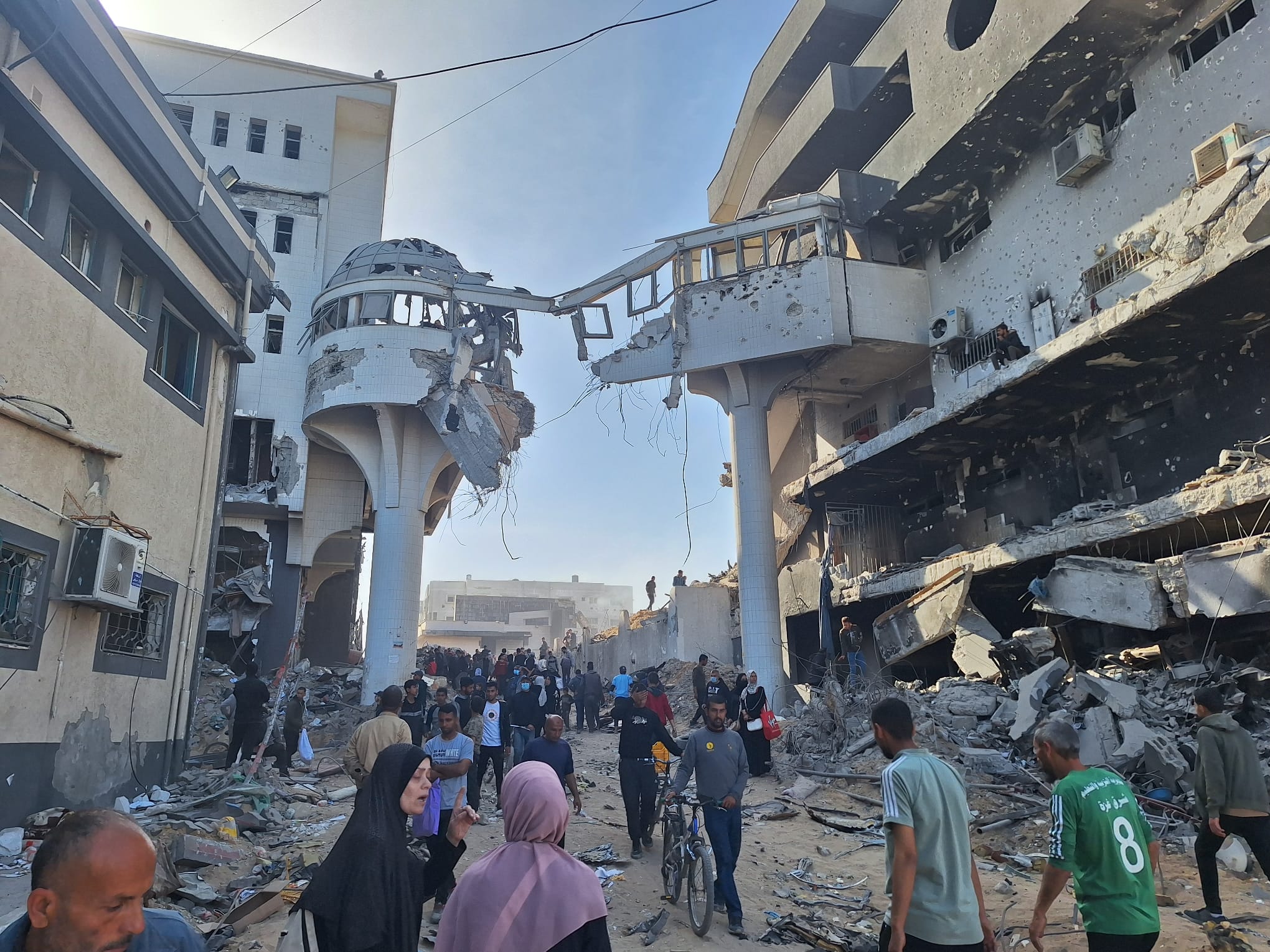
Réalités sur le terrain à Gaza
Rôle du Hamas en matière de gouvernance et de sécurité
Malgré des combats incessants, le Hamas demeure l'autorité de facto dans certaines parties de la bande de Gaza qui ne relèvent pas d'un contrôle israélien total. Sa police patrouille les marchés, dirige la circulation et tente de maintenir l'ordre dans des campements de tentes surpeuplés où vivent des millions de civils déplacés en raison des destructions provoquées par les phases antérieures du conflit.
Des responsables du Hamas soutiennent que leur personnel remplit des tâches essentielles de sécurité civile, tout en niant qu’ils devraient être classés uniquement comme militants. Ils affirment œuvrer pour la sécurité publique au milieu du chaos.
Impact des frappes sur la vie des civils
L’escalade se déroule sur fond de conditions humanitaires déjà critiques. Bombardements répétés, accès limités aux fournitures de première nécessité et déplacements forcés ont érodé les moyens de subsistance et aggravé les souffrances civiles à travers Gaza. Des chiffres du ministère de la Santé indépendants indiquent des milliers de morts depuis le début du conflit, avec des pertes massives disproportionnées parmi les femmes et les enfants.
Des familles ont perdu leur domicile, et les établissements médicaux font face à des victimes massives. Les bombardements soulignent le défi de protéger la vie des civils dans des environnements urbains densément peuplés au milieu d’une guerre asymétrique. Des sources indépendantes et des organisations de droits humains soulignent à plusieurs reprises des préoccupations concernant les dommages civils et les violations du droit international humanitaire par toutes les parties.
Dimensions régionales et pressions externes.
L’Iran et le spectre plus large du conflit.
L’escalade à Gaza s’inscrit dans des tensions accrues entre Israël et l’Iran, marquant un défi sécuritaire à plusieurs théâtres. Les responsables israéliens estiment que l’influence de l’Iran à Gaza — à travers le financement, la logistique et le soutien militaire apporté aux groupes alliés — est au cœur de la persistance du conflit.
La position de l’Iran, y compris les récents changements de leadership et son défi à la pression occidentale, complexifie les efforts diplomatiques. Le soutien continu de Téhéran aux factions militantes renforce la vision selon laquelle Israël présente le conflit à Gaza comme faisant partie d’un affrontement plus vaste avec son adversaire régional.
Mécontentement diplomatique international
Les réunions du Conseil de sécurité et la diplomatie régionale ont mis en évidence l’inquiétude mondiale face à la violence en cours. De nombreux pays et des responsables de l’ONU critiquent les violations des cessez-le-feu et appellent à de nouvelles négociations afin de prévenir de nouvelles pertes civiles et un effondrement humanitaire.
Les États‑Unis jouent un rôle diplomatique central, en servant d’intermédiaire entre les objectifs israéliens et les appels plus larges à la désescalade. Cependant, les initiatives diplomatiques restent embourbées dans la méfiance et des objectifs divergents des deux côtés.
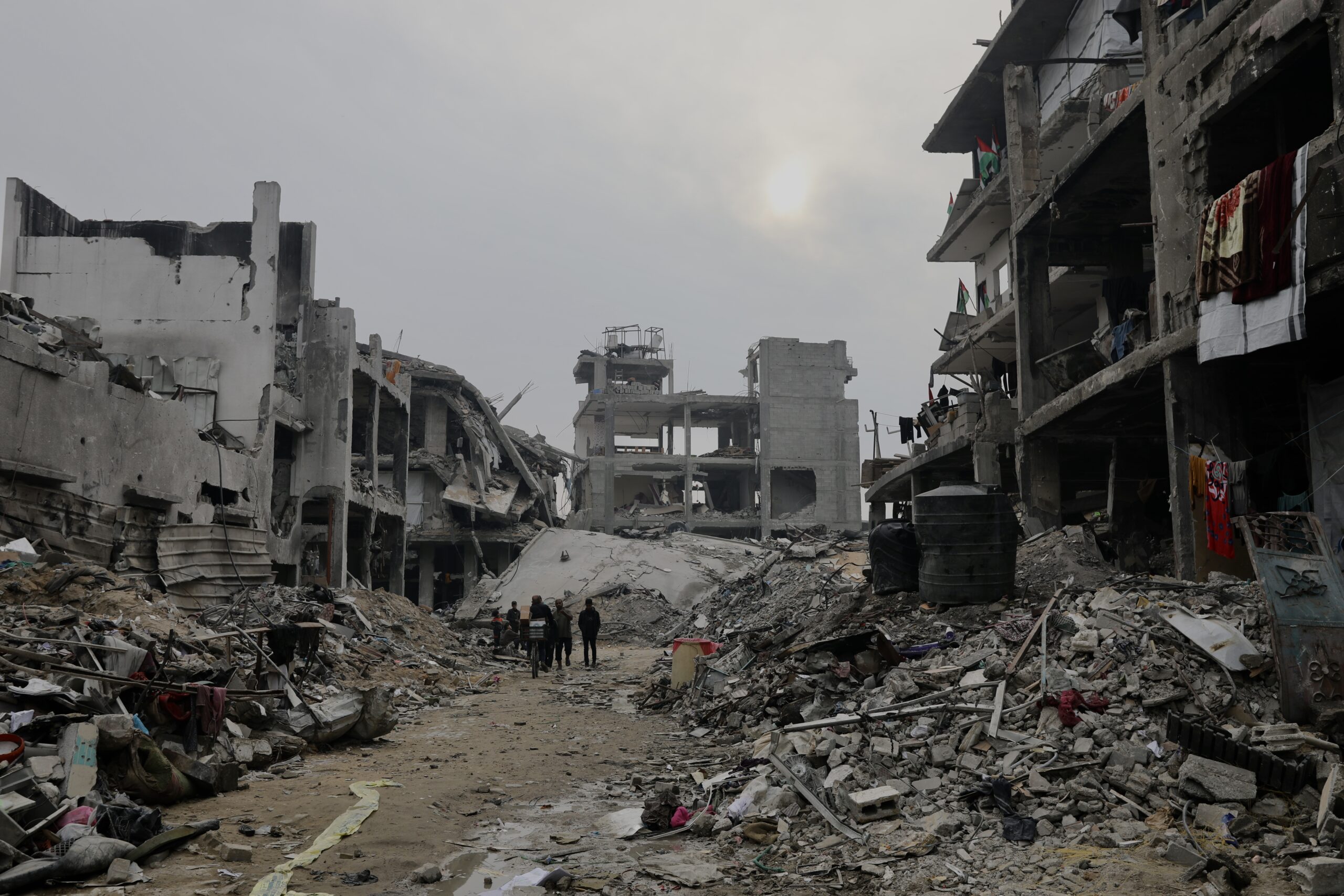
Ce que cela signifie pour l’avenir.
Possibilité d’un conflit plus large.
La phase actuelle marque l’une des phases les plus intenses des combats depuis octobre 2023, lorsque l’incursion à grande échelle du Hamas dans le sud d’Israël a déclenché une vaste réponse militaire israélienne. Ce conflit a fragmenté des décennies de conditions frontalières précaires et est entré dans un cycle prolongé et déstabilisant de violence.
Les analystes avertissent que sans une solution diplomatique viable ou un compromis sur des questions clés — telles que les arrangements de police et la gouvernance — le conflit pourrait s'étendre au-delà des escarmouches périodiques et s'approfondir à travers de nouvelles opérations territoriales.
Dynamiques internes palestiniennes
À l'intérieur de Gaza, les tensions et les alliances internes sont fluides. D'autres factions armées et milices locales opèrent aux côtés de Hamas ou indépendamment de lui, compliquant toute tentative d'établir une gouvernance unifiée. Certains groupes se sont même heurtés à des éléments de Hamas, révélant des fractures au sein des paysages politiques et sécuritaires locaux.
Ces dynamiques font obstacle aux plans de paix externes qui supposent une direction palestinienne cohérente et centralisée disposée à négocier et à mettre en œuvre des accords.
Indicateurs clés du conflit : Qui est qui
| Acteur | Rôle | Intérêts |
|---|---|---|
| Hamas | Autorité de facto dans certaines parties de Gaza | Maintenir la gouvernance, résister au désarmement |
| Forces de défense d'Israël (IDF) | Opérations militaires à Gaza et dans les zones tampons | Neutraliser les menaces à la sécurité, prévenir le réarmement |
| États-Unis | Intermédiaire diplomatique | Cherche à prolonger le cessez-le-feu et à parvenir à une solution négociée |
| Iran | Soutien régional des groupes militants | Renforcer l'influence vis-à-vis d'Israël |
| Population civile palestinienne | Civils touchés par les conséquences humanitaires | Sécurité, accès à l'aide, stabilité |
Conclusion : Un conflit à la croisée des chemins
La récente intensification des frappes israéliennes et les efforts du Hamas pour consolider son emprise constituent une étape critique dans la longue crise israélo-palestinienne. Les pourparlers sur les cessez-le-feu, les forces de sécurité et la gouvernance territoriale stagnent, tandis que la violence s'aggrave et accroît la misère des civils. En l'absence d'une percée dans les négociations ou d'un tournant stratégique de la part des parties, les populations locales et la stabilité régionale font face à une exposition prolongée au coût destructeur du conflit.
La communauté internationale continue de suivre la situation, mais les solutions demeurent difficiles à trouver face à des récits concurrents sur la sécurité, la souveraineté et l'autodétermination.
À lire ensuite
Avertissement sur l'énergie en Iran | Épidémie de méningite | L'Europe rejette Trump | Tensions entre la Colombie et l'Équateur | Frappes israélo-gazaïennes
Browse the Shop
 Acacia frida deluxe solid wood bed frame |
Bedroom bench |
Bed chest drawers |
Lingerie dresser |
Frame base |
Mirror with jewelry storage |
30 Bathroom Vanity |
Memory foam queen mattress |
Mattresses for back pain |
Nightstand set of 2 |
Grand Goldman Shop |
Civil Lawyer
Deutschland Trikot WM 2026
Acacia frida deluxe solid wood bed frame |
Bedroom bench |
Bed chest drawers |
Lingerie dresser |
Frame base |
Mirror with jewelry storage |
30 Bathroom Vanity |
Memory foam queen mattress |
Mattresses for back pain |
Nightstand set of 2 |
Grand Goldman Shop |
Civil Lawyer
Deutschland Trikot WM 2026










