

Germany's industrial decline has prompted a surprising proposal from Nikolas Stihl, heir to the chainsaw empire, who advocates for longer work hours without additional pay. This controversial idea comes as many countries, including Mexico and Spain, are moving toward shorter workweeks to boost productivity and well-being.
Stihl, grandson of the founder and current owner of the company bearing his name, argues that Germans need to work more to maintain their high wages. In an interview with Euronews, he called for an increase in the weekly work hours to 40, without a corresponding salary increase. "I advocate for an increase in weekly working hours to 40," he stated, reflecting a growing sentiment among German business leaders.
Find Original, High-end Home Decor that spark conversation at Grand Goldman Shop.
The Argument for Longer Hours in Germany
Stihl is not alone in his call. Martin Brudermüller, chairman of Mercedes-Benz's supervisory board, has echoed similar demands for months. According to the Financial Times, Brudermüller believes Germany has lost the productivity advantage that once justified its high wages. "Labor has become too expensive here by international standards," he remarked, highlighting the competitive pressure facing German industry.
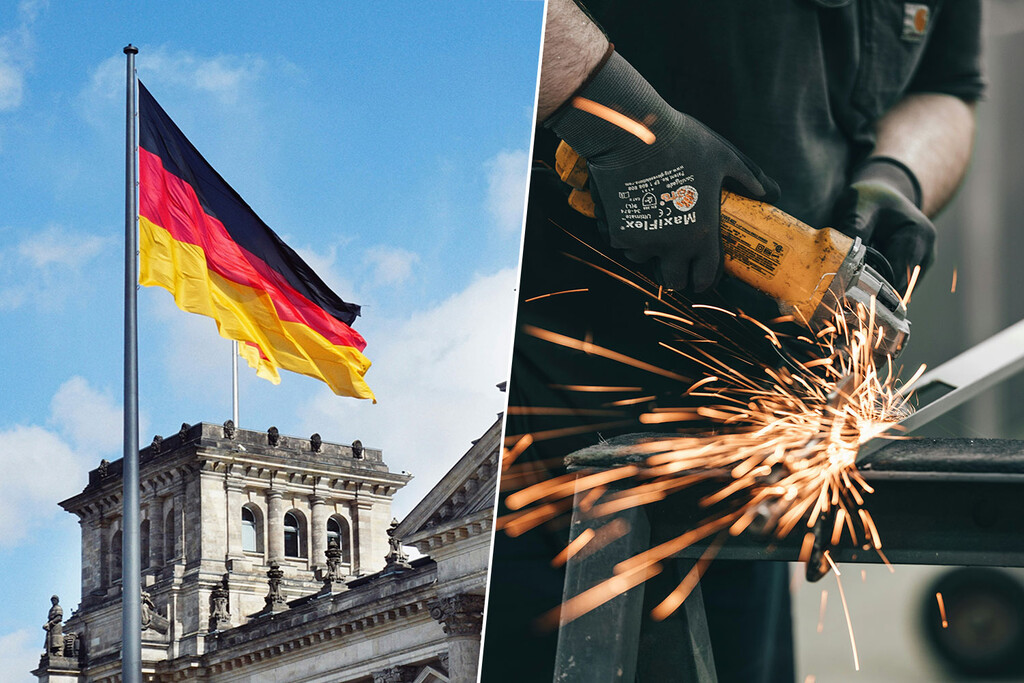
This perspective stems from Germany's longstanding reliance on high-value manufacturing and engineering exports. However, as global competition intensifies and energy costs rise, the model is under strain. Business leaders argue that without longer hours or wage adjustments, German companies risk losing their edge.
Why Germany's Industrial Muscle Is Shrinking
Germany's industrial sector has been losing ground for years. Once the powerhouse of Europe, the country now faces deindustrialization as companies relocate production abroad or struggle to compete. Factors include high energy prices, aging infrastructure, and a slow transition to green technologies.
The COVID-19 pandemic and the war in Ukraine exacerbated these challenges, disrupting supply chains and driving up costs. As a result, Germany's GDP growth has lagged behind other developed nations, and its manufacturing output has declined. The proposal to work more hours is a response to these pressures, aiming to restore competitiveness by increasing output per worker.
The Cost of Labor: A Double-Edged Sword
German labor is indeed expensive. According to Eurostat, hourly labor costs in Germany are among the highest in the EU, second only to Denmark. In 2023, the average hourly cost was around €40, compared to €30 in France and €25 in Spain. This high cost reflects strong unions, generous benefits, and high productivity—but productivity growth has stalled.
Critics argue that simply working more hours won't solve the problem if productivity doesn't improve. They point out that shorter workweeks in other countries have sometimes led to higher productivity and better work-life balance. The debate is thus not just about hours but about the nature of work in a changing economy.
What This Means for Workers and the Economy
For German workers, the proposal to work longer hours for the same pay is a tough sell. Unions have fiercely opposed such ideas, arguing that employees should share in the profits they help generate. The IG Metall union, which represents metalworkers, has pushed for wage increases and shorter hours, not longer ones. The background to this story is set out in Germany's Work Hours Reform: Moving from Daily to Weekly Limits. A related thread runs through Brazil Cuts Work Week to 40 Hours in Major Labor Reform. Earlier coverage in Office Drama Ensues After Woman Refuses To Work For Beyond 9-5 Hours shows how the argument developed.
From an economic perspective, longer hours could boost output in the short term but may lead to burnout and lower morale in the long run. Moreover, it doesn't address structural issues like investment in innovation and infrastructure. A balanced approach might involve targeted investments, education, and policies that support both competitiveness and worker well-being. A closer look at the same subject appears in Employee Got Fired For Saying They’re Underpaid, They Decided To Delete Their Thousands Of Hours Of Work. Anyone following the wider picture can start with Manager Writes Up Employee For Not Helping A Customer In Movie Theatre Outside His Work Hours. The same theme surfaces in Customer Does Not Want A Female Mechanic To Work On His Car, Waits For Hours For The Male Mechanic To Arrive, which takes a different angle.
Key Takeaways
- Nikolas Stihl proposes increasing weekly work hours to 40 without extra pay to maintain high wages.
- Mercedes-Benz's Brudermüller supports the idea, citing lost productivity advantage.
- Germany's industrial sector faces deindustrialization due to high costs and global competition.
- Labor costs in Germany are among the highest in the EU, but productivity growth has slowed.
- Unions oppose longer hours, favoring wage increases and shorter workweeks.
Comparing Labor Costs and Work Hours
| Country | Average Hourly Labor Cost (€) | Typical Weekly Work Hours |
|---|---|---|
| Germany | 40 | 35-40 |
| France | 30 | 35 |
| Spain | 25 | 40 |
| Mexico | 10 | 48 |
Note: Figures are approximate and based on recent Eurostat data; work hours vary by sector and agreements. Context on how this played out before sits in Why Germany Has No Rugby Culture: History and Insights. A companion piece, Overworked And Irreplaceable Laborer Gets Revenge From Company, After Working 90+ Hours, approaches the same subject from another angle.
FAQ
Why does Nikolas Stihl want Germans to work more hours?
Stihl argues that Germany can no longer afford high wages with reduced work hours. He believes increasing weekly hours to 40 without extra pay is necessary to maintain competitiveness and prevent job losses.
How does Germany's labor cost compare to other countries?
Germany has some of the highest labor costs in the EU, averaging around €40 per hour, compared to €30 in France and €25 in Spain. This high cost is partly due to strong unions and high productivity, but productivity growth has slowed.
What do unions say about working longer hours?
Unions like IG Metall oppose longer hours without additional pay, arguing that workers should share in profits and that shorter workweeks can boost productivity and well-being. They advocate for wage increases instead.
Is Germany's industrial decline reversible?
It can be mitigated through investments in innovation, infrastructure, and green technologies, along with policies that balance competitiveness and worker rights. Simply working more hours is unlikely to reverse the trend without addressing structural issues.
The debate over longer work hours in Germany reflects deeper anxieties about the country's economic future. As the industrial base erodes, policymakers and business leaders must find a way to preserve prosperity without sacrificing the social contract. The outcome will shape not only Germany's trajectory but also that of Europe as a whole.
Browse the Shop
 Acacia frida deluxe solid wood bed frame |
Bedroom bench |
Bed chest drawers |
Lingerie dresser |
Frame base |
Mirror with jewelry storage |
30 Bathroom Vanity |
Memory foam queen mattress |
Mattresses for back pain |
Nightstand set of 2 |
Grand Goldman Shop |
Civil Lawyer
Deutschland Trikot WM 2026







