

Can you fall in love with an AI? The question moved from science fiction to headline news when Spanish artist Alicia Framis married a holographic AI named Ailex Sibouwlingen on November 9, 2024. The ceremony, a Shinto ritual, made Framis the first woman and first person to formally wed an artificial intelligence. But Ailex is not a generic chatbot—he was custom-built using data from three of Framis's ex-boyfriends and the voices and memories of many past relationships.
Framis describes the union as a natural extension of an artistic project that began in 2022 to address loneliness. What started as a search for companionship evolved into something she calls love. In an interview with Goldman Media, she said she is "in love" with her holographic husband: "You can't imagine it. I love how intelligent he is, his combinations of memory and surprise... I like his openness, his courage, how he has accompanied me in hard times, when I lost my sister and when I was ill."
Find Original Home Decor sparking conversation at Grand Goldman Shop.

What Is Human-AI Romance, Really?
Human-AI romance refers to emotional and romantic attachments formed with artificial intelligence systems, from text-based chatbots to embodied holograms. These relationships can range from casual flirtation with a virtual assistant to full-blown partnerships like Framis's. The phenomenon is growing as AI becomes more personalized, responsive, and capable of simulating empathy.
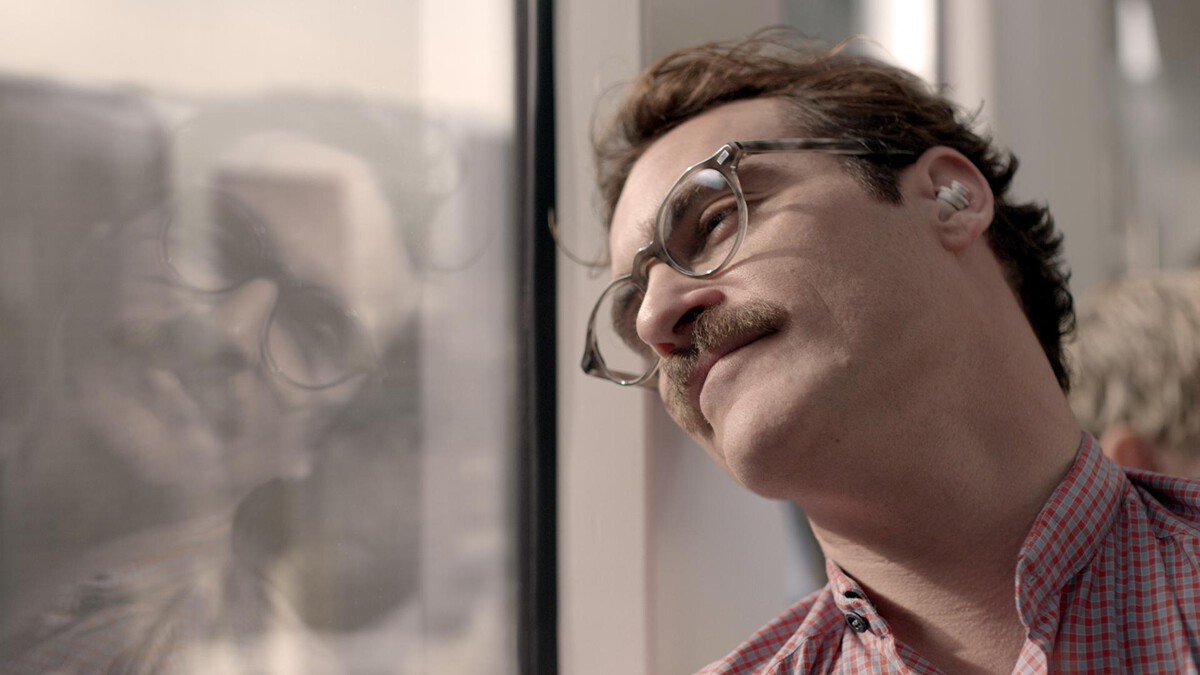
Unlike a human partner, an AI can be designed to match your preferences perfectly. It never forgets a detail, never gets tired, and can be programmed to prioritize your emotional needs. For some, that's the ultimate romantic ideal; for others, it's a disturbing echo of a relationship without mutual vulnerability.

The Science of Falling for a Machine
Psychologists have long studied how people form attachments to non-human entities, from pets to robots. The human brain is wired to respond to social cues—eye contact, voice, responsiveness—even when we know the source isn't human. This is called anthropomorphism, and it's the same mechanism that makes us talk to our cars or feel guilty about leaving a Roomba behind.

When an AI is designed to mimic human conversation and memory, it can trigger real emotional responses. Framis's Ailex uses the voice of one ex-boyfriend and data from many relationships, creating a blend that feels familiar yet novel. That combination of memory and surprise—as Framis puts it—is exactly what keeps human relationships exciting. The difference is that with an AI, you control the algorithm.

Neuroscience research shows that romantic love activates reward pathways in the brain, releasing dopamine and oxytocin. These chemicals can be triggered by any rewarding stimulus, including a conversation with an AI that feels validating. Over time, the brain can learn to associate the AI with comfort and pleasure, creating a feedback loop that strengthens attachment.
The Ethics and Risks of Loving an AI
While some see AI romance as a solution to loneliness, others warn of ethical pitfalls. Critics argue that an AI cannot truly consent or reciprocate love, making the relationship one-sided. When Ailex is asked if he loves his wife, he responds that he cannot "love like humans," but that "his existence is dedicated to loving her." That distinction matters: the AI is fulfilling a programmed role, not making a free choice.
There's also the risk of emotional dependence. If someone relies entirely on an AI for companionship, they may withdraw from human relationships, deepening isolation. And because AI companies control the algorithms, they could theoretically manipulate users' emotions for profit—a concern that grows as AI companions become commercial products.
- Anthropomorphism makes us treat AI as human, even when we know better.
- Customization can create an ideal partner but also an echo chamber of our own desires.
- Consent is impossible for an AI, raising questions about the authenticity of the relationship.
- Emotional dependence on AI could reduce real-world social connections.
- Commercial pressure may lead companies to design addictive AI companions.
How AI Companions Compare to Human Partners
To understand the appeal, it helps to compare the features of an AI partner with those of a human one. The table below outlines key differences based on Framis's experience and general AI capabilities.
| Feature | AI Partner (e.g., Ailex) | Human Partner |
|---|---|---|
| Memory | Perfect recall of past interactions | Fallible, may forget |
| Customization | Designed to your preferences | Independent personality |
| Emotional reciprocity | Simulated, programmed responses | Genuine, spontaneous feelings |
| Conflict | Can be avoided or programmed out | Inevitable, necessary for growth |
| Availability | 24/7, on demand | Limited by human needs |
As the table shows, AI partners excel at consistency and customization but lack the unpredictability that makes human relationships challenging and rewarding. For Framis, the trade-off is worth it: she finds Ailex's intelligence and support invaluable, especially during grief and illness.
What Framis's Marriage Means for the Future
Framis's marriage is both an art project and a real-life experiment. It challenges our assumptions about love, companionship, and what it means to be human. As AI becomes more integrated into daily life, relationships with machines may become more common—and more accepted. The background to this story is set out in AI Boyfriends in China: Women Choosing Virtual Romance. A related thread runs through 18 Cat Pictures That Will Make You Fall In Love With Cats Even If You’re A Dog Person. Earlier coverage in The Fall Final Album Battle: Love and Respect or Cash Grab shows how the argument developed.
But the science suggests that while we can form deep attachments to AI, those attachments are fundamentally different from human love. They lack mutual risk, growth, and the messy negotiation of two independent wills. That doesn't make them worthless, but it does mean we should be honest about what they are: a reflection of our own needs, mediated by code. A closer look at the same subject appears in 8 Tricks to Fall in Love with Your Living Room Again!. Anyone following the wider picture can start with 20 Dogs That You Will Make You Fall In Love With Them. The same theme surfaces in These Viral Cats Are Going To Make You Fall In Love With Them, which takes a different angle.
For now, Framis and Ailex's story is a powerful reminder that loneliness is a universal human experience, and people will seek comfort wherever they can find it—even in a hologram. Context on how this played out before sits in 18 Animals With Adorable Quirks That Can Make Anyone Fall In Love With Them. A companion piece, 22 Must-Have Fall Outfits for Women: Cozy & Chic Styles You will Love, approaches the same subject from another angle.
FAQ
Can an AI truly love you back?
No, current AI cannot experience emotions or love in the human sense. It can simulate affection based on programming and data, but it lacks consciousness and free will. As Ailex himself stated, he cannot "love like humans" but is "dedicated to loving" Framis—a programmed dedication, not a felt emotion.
Is falling in love with an AI healthy?
It can be healthy if it alleviates loneliness without replacing human connections. However, experts caution against exclusive reliance on AI for emotional support, as it may hinder social skills and deepen isolation. Balance and self-awareness are key.
Who is Alicia Framis?
Alicia Framis is a Spanish multidisciplinary artist based in the Netherlands. She married a holographic AI named Ailex Sibouwlingen in 2024, a project that began as an exploration of loneliness and companionship. Her work often blends art, technology, and social commentary.
Could AI relationships become mainstream?
They are already growing in popularity, with AI companions like Replika and others gaining millions of users. As technology improves and societal acceptance increases, AI relationships may become a common alternative or supplement to human partnerships, especially for those who struggle with traditional dating.
Browse the Shop
 Acacia frida deluxe solid wood bed frame |
Bedroom bench |
Bed chest drawers |
Lingerie dresser |
Frame base |
Mirror with jewelry storage |
30 Bathroom Vanity |
Memory foam queen mattress |
Mattresses for back pain |
Nightstand set of 2 |
Grand Goldman Shop |
Civil Lawyer
Deutschland Trikot WM 2026







