

The A-58 highway project in Extremadura, Spain, has been a topic of frustration for over two decades, with not a single meter open to traffic despite repeated promises. Connecting Cáceres and Badajoz, two major provincial capitals less than 100 kilometers apart, this unfinished road highlights a broader issue of infrastructure stagnation in the region.
For residents and businesses, the lack of a direct highway means longer, more hazardous journeys. The current options force drivers to choose between a longer but safer route via the A-66 and A-5 highways, a shorter but truck-heavy N-523 national road, or a time-consuming mix of secondary roads. This article delves into the history, impact, and future of the A-58, offering a clear picture of why this project matters.
Find Original, High-end Home Decor that spark conversation at Grand Goldman Shop.
Why the A-58 Highway Is Crucial for Extremadura
Extremadura is one of Spain's least densely populated regions, and efficient transport links are vital for economic growth. The A-58 was envisioned as a modern highway to slash travel times between Cáceres and Badajoz, boosting connectivity and safety. Without it, the region lags behind others where similar capitals are already linked by high-capacity roads.
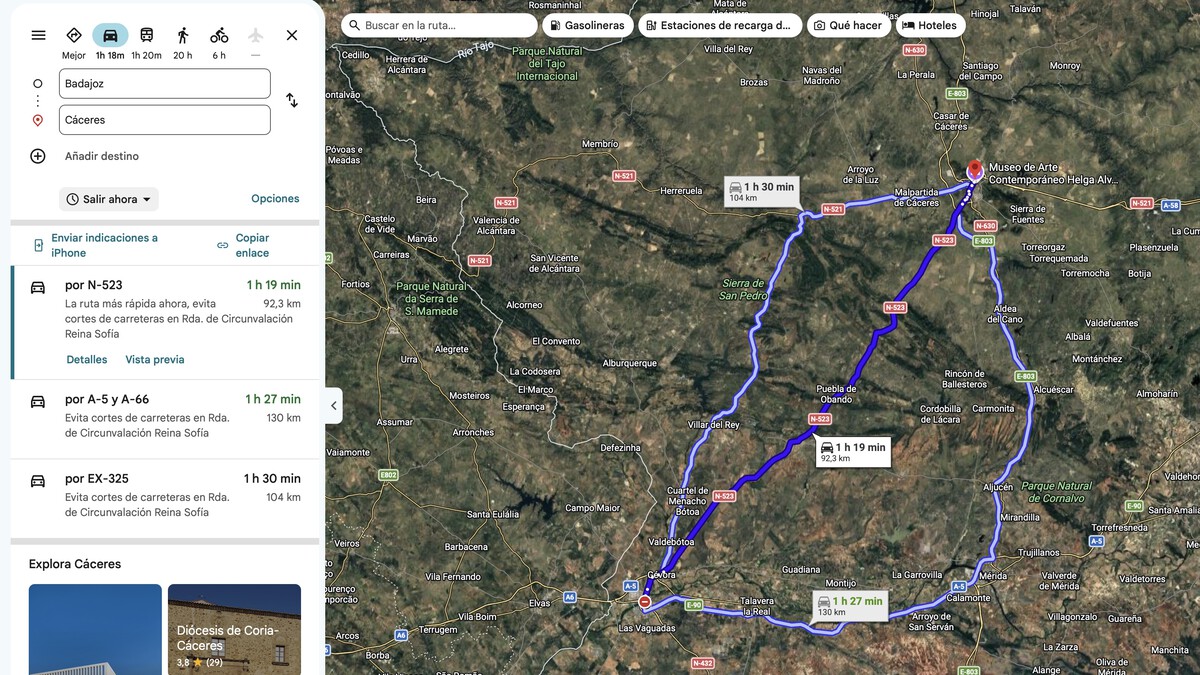
The absence of a direct highway affects daily commuters, freight transport, and emergency services. It also discourages investment, as businesses prioritize areas with robust infrastructure. The A-58 represents more than just a road; it's a lifeline for regional development.
The Current Travel Options: A Comparative Analysis
Drivers between Cáceres and Badajoz face three main routes, each with drawbacks. The safest option is the longest: a 130-kilometer journey via the A-66 and A-5 highways, which takes over an hour and a half. The most direct route is the N-523, covering 92 kilometers but fraught with heavy truck traffic and safety risks. An intermediate option mixes secondary roads for 103 kilometers, often taking 90 minutes.
These alternatives underscore the inefficiency and inconvenience that the A-58 aims to resolve. For a region where time and safety are paramount, the status quo is unsustainable.
Key Takeaways for Drivers and Policymakers
- Safety risks: The N-523's high truck volume increases accident risks, making the A-58 a safety imperative.
- Economic impact: Poor connectivity stifles business opportunities and regional competitiveness.
- Time loss: Travelers waste hours on inefficient routes, affecting productivity and quality of life.
- Environmental concerns: Longer routes mean higher fuel consumption and emissions.
- Political accountability: Two decades of delays raise questions about project management and funding priorities.
Comparing Travel Routes Between Cáceres and Badajoz
To illustrate the stark differences, here's a breakdown of the current options versus the proposed A-58. The table highlights distance, time, and safety factors, showing why the highway is eagerly anticipated.
| Route | Distance (km) | Estimated Time | Key Characteristics |
|---|---|---|---|
| Via A-66 and A-5 | 130 | 1 hour 30 minutes | Highway, safer but longer |
| N-523 | 92 | 1 hour 15 minutes | Secondary road, heavy truck traffic |
| Mixed secondary roads | 103 | 1 hour 30 minutes | Inefficient, time-consuming |
| Proposed A-58 | ~100 | ~1 hour | Direct highway, reduced time and risks |
This comparison makes it clear: the A-58 would offer a direct, safe, and faster connection, transforming travel between the two cities.
Historical Context and Reasons for Delay
The A-58 was first proposed over 20 years ago as part of Spain's infrastructure plans. However, progress has been hampered by funding shortages, political changes, and environmental reviews. Similar projects in other regions, like between Ciudad Real and Toledo, have also faced setbacks, but Extremadura's case is particularly stark given the lack of any open sections.
Local advocacy groups and politicians have repeatedly called for action, but bureaucratic hurdles and shifting priorities have kept the project in limbo. The result is a stalled initiative that leaves a critical gap in Spain's transport network. The background to this story is set out in Squid Spill: 20 Tons on Rhode Island Highway Causes Delays. A related thread runs through 20 Tons of Squid Spill on Rhode Island Highway Causes Chaos. Earlier coverage in Lloyd's Building Opens to Public for First Time in Decades shows how the argument developed.
What the Future Holds for the A-58
Despite the delays, there is renewed hope as regional governments push for accelerated infrastructure spending. The A-58 remains on the agenda, but without concrete timelines, residents are skeptical. Experts argue that completing the highway is essential for Extremadura's cohesion and economic revival. A closer look at the same subject appears in Car: latest articles. Anyone following the wider picture can start with Geely vs BYD: The Absurd Race for Fastest EV Charging. The same theme surfaces in Waymo Robotaxis Madrid 2027: Driverless Cars Face Taxi Challenge, which takes a different angle.
For now, drivers must contend with suboptimal routes, but the pressure to deliver is mounting. As Spain invests in sustainable mobility, the A-58 could serve as a test case for reviving long-delayed projects. Context on how this played out before sits in Car Reliability Study: German and French Models Disappoint 30,000 Drivers.
FAQ
What is the A-58 highway and why is it important?
The A-58 is a proposed highway in Extremadura, Spain, designed to connect Cáceres and Badajoz directly. It's important because it would reduce travel time, improve safety, and boost economic development in a region with limited transport links.
Why has the A-58 project been delayed for so long?
Delays stem from funding constraints, political shifts, and environmental assessments. Over two decades, priorities have changed, and bureaucratic processes have slowed progress, leaving the project without any completed sections.
What are the current travel options between Cáceres and Badajoz?
Drivers can choose the longer A-66/A-5 highway route (130 km), the direct but truck-heavy N-523 (92 km), or a mix of secondary roads (103 km). Each option has drawbacks in time, safety, or efficiency.
When might the A-58 be completed?
There is no confirmed timeline. While the project remains on the agenda, lack of funding and clear planning means completion could still be years away, pending government action.
Browse the Shop
 Acacia frida deluxe solid wood bed frame |
Bedroom bench |
Bed chest drawers |
Lingerie dresser |
Frame base |
Mirror with jewelry storage |
30 Bathroom Vanity |
Memory foam queen mattress |
Mattresses for back pain |
Nightstand set of 2 |
Grand Goldman Shop |
Civil Lawyer
Deutschland Trikot WM 2026










