

The race for the fastest EV charging has reached a new level of absurdity, with Geely claiming a peak power of 2,250 kW from a single connector, surpassing BYD's 1,500 kW Flash Charging. This 50% jump in maximum power highlights how Chinese automakers are pushing the limits of charging technology, but what does it mean for actual drivers?
In just a few years, the conversation has shifted from how long it takes to recover a significant portion of range to who can shave off a few seconds. As power ratings climb and charging times drop, the margin between generations is shrinking. Geely and BYD are now at the forefront of this race, but the practical benefits for consumers are not always clear.
Find Original, High-end Home Decor that spark conversation at Grand Goldman Shop.
Geely's New Smart Charging System: A Leap in Power
Geely's latest generation of Smart Charging technology can deliver a peak of 2,250 kW from a single connector. That's a 50% increase over BYD's second-generation Flash Charging, which was announced at 1,500 kW. However, it's important to read these figures carefully: they describe the maximum capacity of the charger, not necessarily what a current EV can absorb during a session.
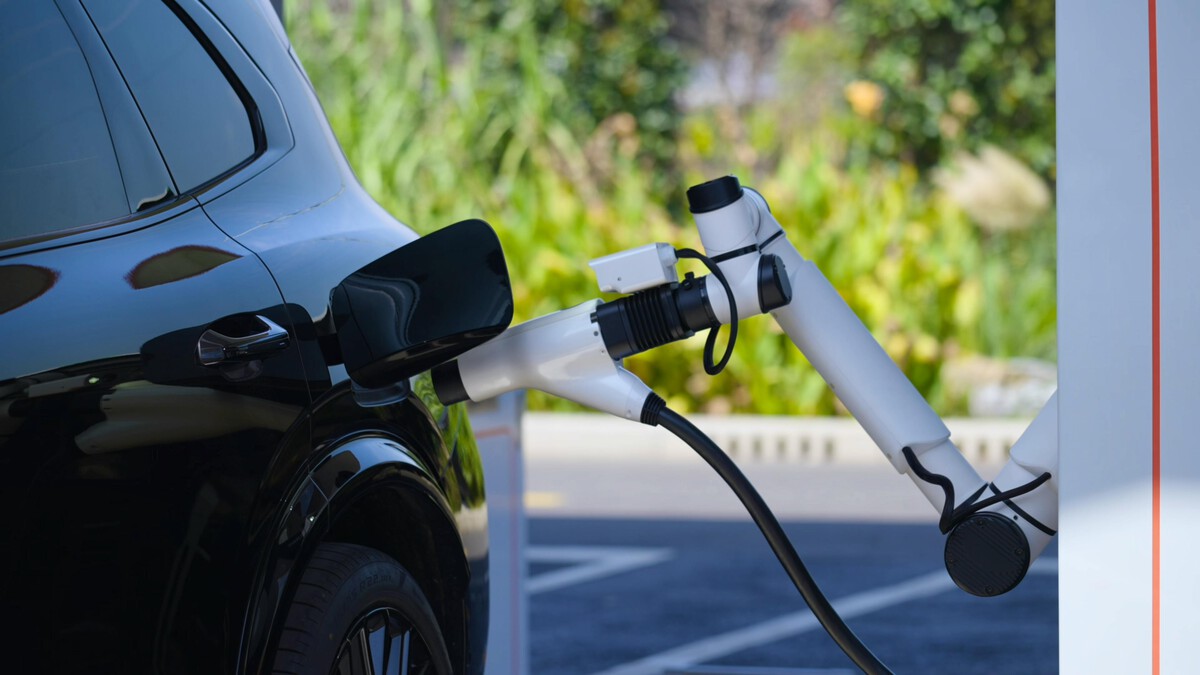
The company provides concrete numbers from tests with the Lynk & Co 10 and Zeekr 001. At ambient temperature, charging from 10% to 70% took just four and a half minutes, and reaching 97% took eight minutes and 40 seconds. Geely claims a peak rate of 12C, which, if sustained, would be remarkable. But sustaining such rates is challenging, and real-world conditions often differ.
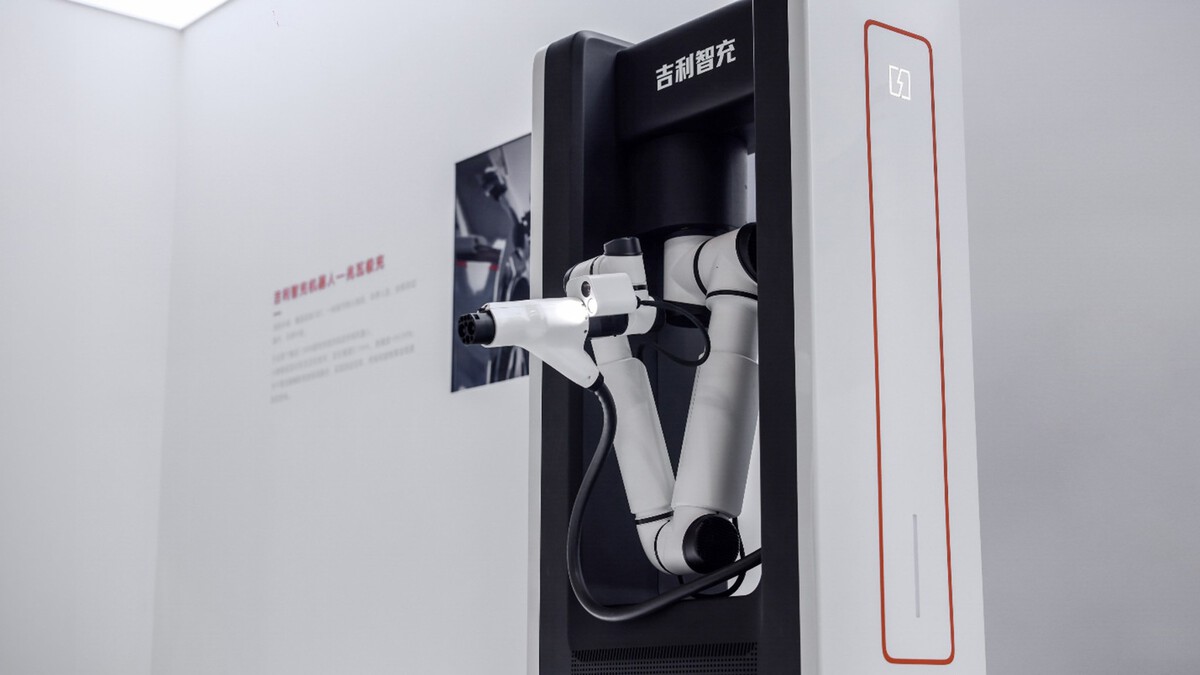
What 12C Means for Charging Times
The C-rate indicates how quickly a battery can be charged relative to its capacity. A 12C rate means the battery could theoretically be charged 12 times its capacity in one hour, or fully charged in about five minutes. While Geely's tests show impressive results, maintaining such high rates across the entire charging curve is difficult due to thermal and battery management constraints.
BYD's Flash Charging: The Competition
BYD's second-generation Flash Charging, announced at 1,500 kW, is no slouch either. It represents a significant improvement over previous systems and underscores BYD's commitment to advancing EV technology. The company has been a major player in the EV market, and its charging infrastructure is expanding rapidly.
While Geely's announcement may have stolen the spotlight, BYD's technology is already being deployed in vehicles and charging stations. The real-world performance of these systems will determine which company truly leads in practical charging speed.
The Real-World Impact of Ultra-Fast Charging
For drivers, the benefits of ultra-fast charging are obvious: less time spent at charging stations, more convenience on long trips. However, the infrastructure required to support such high power levels is substantial. Grid capacity, cable cooling, and connector standards all need to evolve to handle megawatt-level charging.
Moreover, not all EVs can accept such high charging rates. The battery chemistry, thermal management system, and onboard charger must be designed to handle the power. Currently, only a few vehicles on the market can take full advantage of these ultra-fast chargers. The longer history behind the story is traced in Extremadura's A-58 Highway: Two Decades of Delays, Zero Miles Open.
Key Takeaways for EV Owners
- Peak power ratings don't always translate to real-world charging speeds for your specific EV.
- Infrastructure readiness is crucial; high-power chargers are still rare in many regions.
- Battery health may be affected by frequent ultra-fast charging, so balance convenience with longevity.
- Competition drives innovation, but consumers should focus on practical charging times rather than headline numbers.
Comparing Charging Specifications
| Specification | Geely Smart Charging | BYD Flash Charging (2nd Gen) |
|---|---|---|
| Peak Power | 2,250 kW | 1,500 kW |
| Charging Time (10-70%) | 4.5 minutes (test) | Not specified |
| Charging Time (to 97%) | 8 minutes 40 seconds | Not specified |
| Peak C-rate | 12C | Not specified |
| Availability | Announced, future deployment | Being deployed |
The table highlights the impressive figures from Geely's tests, but the lack of detailed data from BYD makes direct comparison difficult. Both companies are pushing boundaries, but the practical implications depend on widespread adoption and infrastructure. The background to this story is set out in Honda Tests Wireless Charging Roads to Power EVs on the Move. A related thread runs through EV Charging Fines: Why Drivers Are Getting Shocked Parking Penalt. Earlier coverage in Paris Motor Show: Citroën 2CV Steals Spotlight as BYD Debuts 11-Minute Charge shows how the argument developed.
What to Watch Next in the EV Charging Race
The competition between Geely and BYD is likely to intensify. As they strive to outdo each other, we can expect further announcements of higher power and shorter charging times. However, the focus should eventually shift to standardizing ultra-fast charging infrastructure and ensuring that vehicles can safely and consistently achieve these speeds. A closer look at the same subject appears in BYD Effect: How Electric Vehicle Boom Fights Inflation. Anyone following the wider picture can start with Repsol EV Charging Chief Warns Bureaucracy Risks Obsolete Stations. The same theme surfaces in Flash Charging Stations Could Transform EV Charging, which takes a different angle.
Regulators and industry bodies will play a key role in setting standards for megawatt charging, including safety and interoperability. Consumers should keep an eye on real-world tests and independent reviews to separate marketing claims from actual performance. Context on how this played out before sits in EV Charging News Today: Biggest Changes Drivers Face. A companion piece, Car: latest articles, approaches the same subject from another angle.
FAQ
What is the difference between Geely's and BYD's fast charging?
Geely's Smart Charging claims a peak of 2,250 kW, while BYD's second-gen Flash Charging peaks at 1,500 kW. Geely's system shows faster charging times in tests, but real-world performance may vary.
Can any electric car use these ultra-fast chargers?
No, only vehicles with compatible battery and charging systems can accept such high power. Most current EVs cannot utilize the full capacity of these chargers.
Will ultra-fast charging degrade my EV's battery?
Frequent use of ultra-fast charging can accelerate battery degradation, but modern battery management systems mitigate this. It's best to use fast charging only when necessary.
When will these chargers be widely available?
Geely's technology is announced but not yet deployed widely. BYD is rolling out its Flash Charging network, but availability is still limited to certain regions.
Browse the Shop
 Acacia frida deluxe solid wood bed frame |
Bedroom bench |
Bed chest drawers |
Lingerie dresser |
Frame base |
Mirror with jewelry storage |
30 Bathroom Vanity |
Memory foam queen mattress |
Mattresses for back pain |
Nightstand set of 2 |
Grand Goldman Shop |
Civil Lawyer
Deutschland Trikot WM 2026










