

Nuclear power has been touted as the future of abundant, cheap electricity for over 50 years, but a new study reveals that global nuclear capacity has consistently fallen far short of even the most optimistic forecasts. The analysis compares projections from the 1970s with actual installed atomic power today, and the pattern is clear: the world has repeatedly overestimated how quickly nuclear would grow.
This gap between promise and reality matters now more than ever, as tech giants like Bill Gates and AI-driven companies bet on small modular reactors (SMRs) to power energy-hungry data centers. Understanding why nuclear has lagged could shape whether this new wave of investment succeeds or becomes another cautionary tale.
Find Original, High-end Home Decor that spark conversation at Grand Goldman Shop.

Nuclear Power Forecasts vs. Reality: A Decades-Long Gap
The study dissects historical energy reports and finds a recurring theme: nuclear expansion has been perpetually just around the corner. In the 1970s, as countries like France embraced nuclear energy, projections assumed rapid global growth. Yet countries such as Germany have since retreated, shutting down plants entirely. There is no single global consensus, and the data shows that even as electricity generation continues to rise, nuclear's share has not kept pace with early dreams.
Why the persistent shortfall? The reasons are complex, but they boil down to cost overruns, construction delays, and shifting political priorities. While nuclear power offers low-carbon baseload electricity, its high upfront capital and long build times have made it less attractive compared to cheaper renewables and natural gas in many markets.
The SMR Promise: Small Reactors, Big Hopes
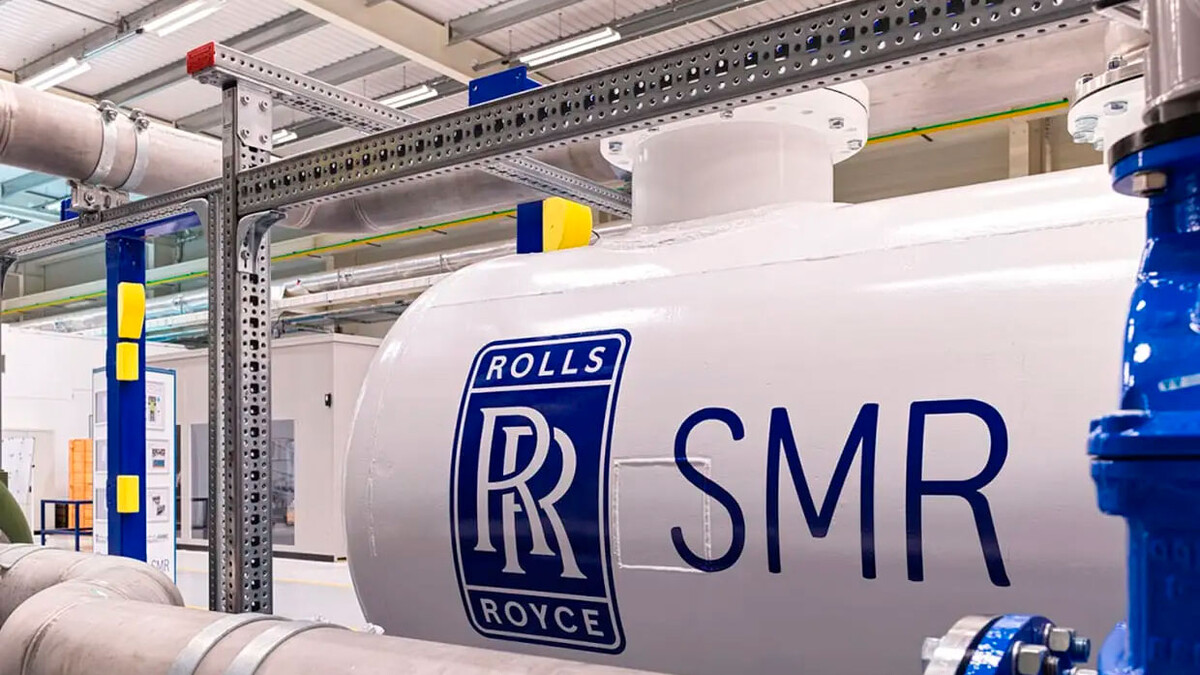
Despite the historical letdown, the allure of abundant, cheap energy persists. Investors like Bill Gates and technology companies needing massive power for AI servers are now looking to small modular reactors (SMRs) as a theoretical solution. The idea is simple: factory-built reactors that can be deployed faster and at lower cost than traditional gigawatt-scale plants.
But having a dedicated nuclear plant for a single company sounds appealing until you run the numbers. For SMRs to be viable for data centers, manufacturing costs must come down significantly—something the industry has not yet achieved. The same cost challenges that plagued large reactors could haunt SMRs unless production scales efficiently.
Key Takeaways from the Nuclear Study
- Global nuclear capacity has consistently underperformed optimistic forecasts from the 1970s onward.
- Countries diverge sharply: France embraced nuclear, while Germany has phased it out.
- Electricity generation keeps growing, but nuclear's share has not matched early projections.
- SMRs are the latest hope, especially for powering AI data centers, but cost barriers remain.
- Without manufacturing cost reductions, SMRs may struggle to deliver on their promise.
Why Nuclear Power Keeps Falling Short
The study highlights that nuclear power's challenges are not just technical but economic and political. Large reactors often suffer from delays and budget overruns, making them risky investments. Meanwhile, renewables like solar and wind have become cheaper and faster to deploy, reducing the urgency for nuclear in many regions.
Public opposition and safety concerns also play a role, as seen in Germany's decision to shut down its plants. These factors create a vicious cycle: uncertain demand leads to fewer orders, which raises per-unit costs, further dampening enthusiasm.
SMRs and Data Centers: A Match Made in Theory?
Tech companies are drawn to SMRs because data centers need reliable, 24/7 power. Nuclear offers that, unlike intermittent renewables. But the economics are daunting. SMRs must be built in factories and deployed in multiples to achieve economies of scale, and no company has yet proven this model at commercial scale.
Bill Gates has invested in TerraPower, and other firms are exploring SMRs, but the timeline for widespread deployment remains uncertain. If costs stay high, the dream of dedicated nuclear power for AI could remain just that—a dream. Anyone following the wider picture can start with Atomic Dreams: The Wildest Nuclear Projects Ever Imagined.
What to Watch Next in Nuclear Energy
Several factors will determine whether SMRs break the cycle of missed forecasts. Regulatory approvals, supply chain development, and government subsidies will all play a role. The study suggests that without a clear path to cost reduction, nuclear will continue to lag behind expectations. The background to this story is set out in Energy Utilities: latest articles. A closer look at the same subject appears in Nuclear Power Reality Check: 50 Years of Missed Forecasts.
For now, the gap between nuclear promises and reality serves as a reminder: energy transitions are slow, and technology alone doesn't guarantee success. The next decade will reveal whether SMRs can finally deliver the abundant, cheap power that has been promised for half a century. A related thread runs through Asus ProArt Laptops With NVIDIA RTX Spark Land in Spain for Creators. Earlier coverage in France's Coal Waste Pyramids Became a Surprising Mediterranean Haven shows how the argument developed.
FAQ
Why has nuclear power consistently missed forecasts?
Nuclear power has missed forecasts due to high construction costs, long build times, political shifts, and competition from cheaper renewables. These factors have slowed deployment and reduced its share of global electricity generation.
What are SMRs and why are tech companies interested?
SMRs are small modular reactors designed to be factory-built and deployed faster than traditional plants. Tech companies are interested because they need reliable, carbon-free power for energy-intensive data centers and AI operations.
Can SMRs make nuclear power viable for data centers?
For SMRs to be viable, manufacturing costs must drop significantly. The industry has not yet achieved the economies of scale needed, so viability remains uncertain and depends on future cost reductions and regulatory support.
Which countries have embraced or rejected nuclear power?
France has long embraced nuclear power, generating most of its electricity from reactors. Germany, in contrast, has phased out nuclear entirely, reflecting deep political and public divisions over the technology.
Browse the Shop
 Acacia frida deluxe solid wood bed frame |
Bedroom bench |
Bed chest drawers |
Lingerie dresser |
Frame base |
Mirror with jewelry storage |
30 Bathroom Vanity |
Memory foam queen mattress |
Mattresses for back pain |
Nightstand set of 2 |
Grand Goldman Shop |
Civil Lawyer
Deutschland Trikot WM 2026










