

Muhammad Ali's quote about viewing the world at 50 the same as at 20 has become one of his most cited lines, but his life story makes it far more than a simple aphorism about aging. Ali radically changed some of his views, regretted others, and held convictions when doing so could cost him his career. His life ended up turning those words into a paradox: sometimes growing means changing your mind, and other times it means discovering that it was the world that needed to change.
The Origin of Muhammad Ali's Quote
Muhammad Ali had been circling that idea for years when he delivered its definitive version. In November 1974, during a press conference in London, he explained that a man who viewed the world at 50 exactly as he did at 20 would have wasted three decades of his life.
Find Original, High-end Home Decor that spark conversation at Grand Goldman Shop.
A year later, at 33, he condensed it during a Playboy interview into the phrase that would become famous: “The man who views the world at 50 the same as he did at 20 has wasted 30 years of his life.” The paradox is that we usually consider consistency a virtue, while Ali proposed almost the opposite: if thirty years of experiences, mistakes, and learning do not modify our way of looking at the world, perhaps that apparent consistency is simply a sign that we have learned nothing.
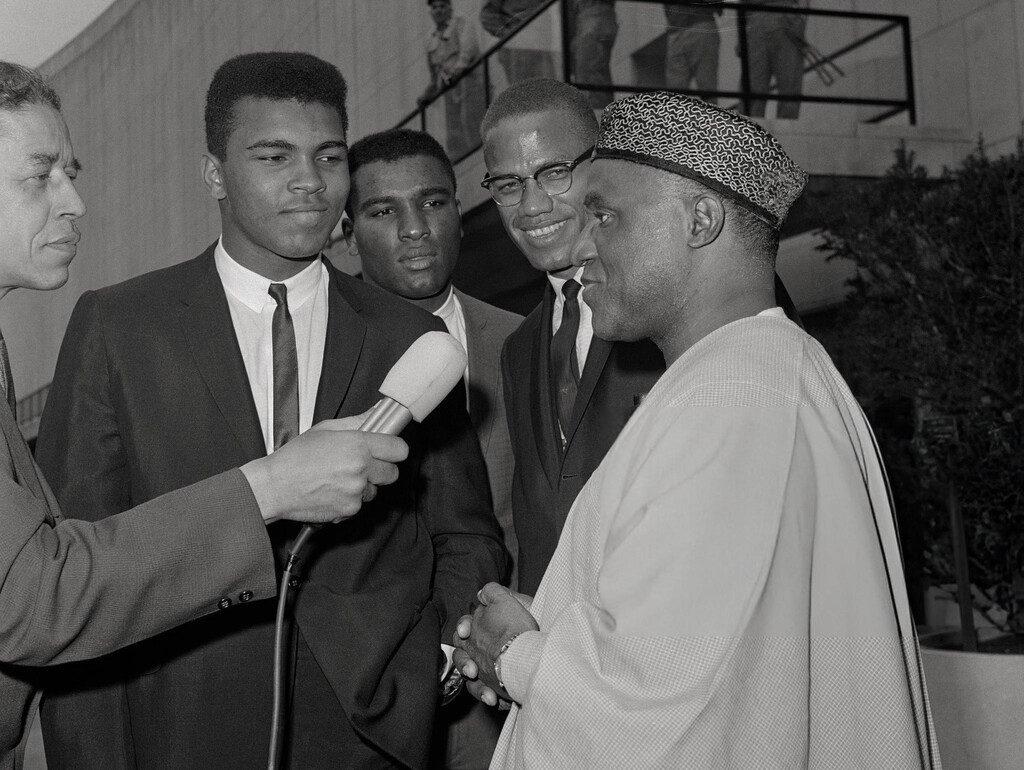
From Young Athlete to Political Icon
When Cassius Clay won Olympic gold in Rome in 1960, he was 18 years old. The world he saw then was one of opportunity and glory, but also of segregation and racial injustice in his own country. Over the next decade, his views would undergo a profound transformation.
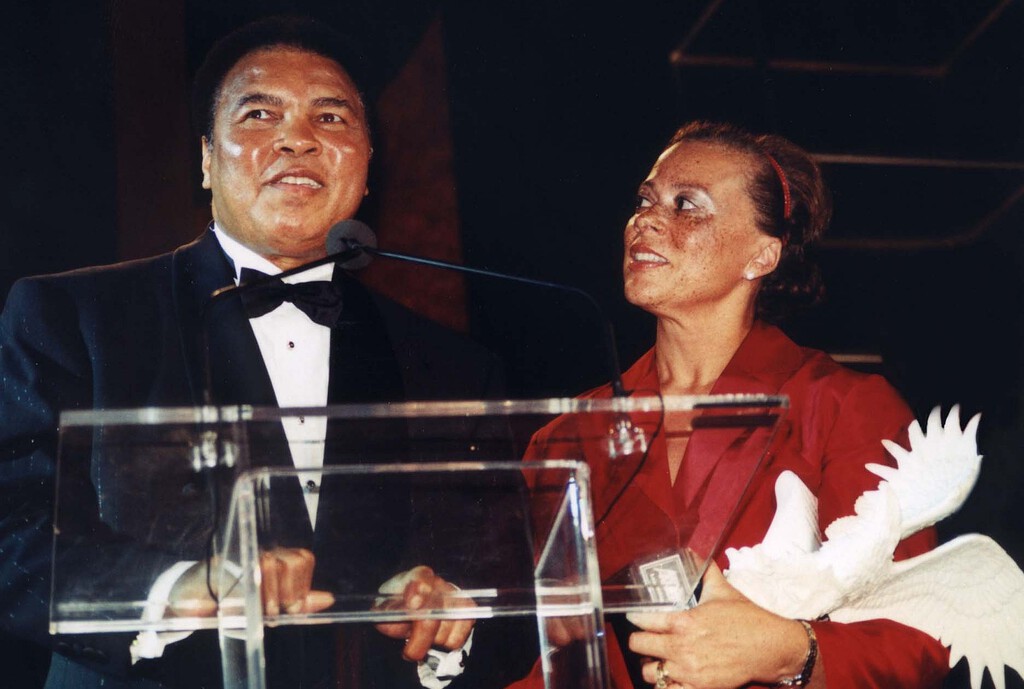
He changed his name to Muhammad Ali after joining the Nation of Islam, a decision that shocked many and cost him endorsements. He refused induction into the U.S. Army during the Vietnam War, citing religious beliefs and opposition to the war. That stance led to his arrest, the stripping of his heavyweight title, and a ban from boxing for over three years.
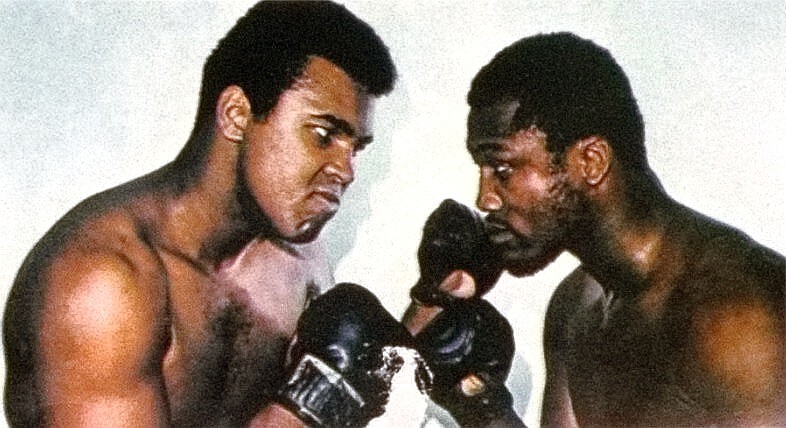
These were not casual shifts in opinion; they were fundamental changes that required immense courage. Ali's willingness to evolve his thinking—and to pay the price for it—exemplifies the kind of growth he later described in his famous quote.
Why Muhammad Ali's Words Matter Today
In an age of polarized opinions and social media echo chambers, Ali's quote challenges us to embrace intellectual humility. It suggests that changing our minds is not a weakness but a sign of wisdom. The ability to reassess our beliefs based on new evidence and experiences is essential for personal growth and societal progress.
Ali's life demonstrates that consistency for its own sake can be a trap. He showed that it is possible to hold core values—like justice and equality—while adapting our understanding of how to achieve them. This distinction between principles and opinions is crucial.
- Embrace change: Growth requires updating your worldview as you learn.
- Question consistency: Staying the same for decades may signal stagnation.
- Hold principles, not opinions: Core values can remain while tactics evolve.
- Pay the price: Real change often comes with costs, but it is worth it.
How Ali's Quote Applies to Different Life Stages
Ali's observation resonates differently depending on where you are in life. For young people, it is a call to remain open-minded and not cling to early beliefs. For those in midlife, it is a reminder to reassess and not become rigid. For older adults, it is a validation that change is natural and that wisdom comes from adapting.
The quote also serves as a warning against nostalgia and the temptation to idealize the past. If we view the world at 50 as we did at 20, we may be ignoring decades of progress, new knowledge, and shifting social norms. Ali's own journey from a brash young boxer to a global statesman and humanitarian reflects this evolution.
The Paradox of Consistency and Change
Ali's life was full of apparent contradictions. He was a pacifist who made a living in a violent sport. He was a member of the Nation of Islam who later embraced a more inclusive form of Islam. He was a man who changed his name, his religion, and his political views, yet he remained steadfast in his commitment to justice.
This paradox is at the heart of his quote. Consistency is not about never changing; it is about consistently pursuing truth and growth. Ali's willingness to change his mind when presented with new evidence or deeper understanding is what made him a true icon. The longer history behind the story is traced in Free Apps and Services for Students and Teachers in 2026.
Comparing Ali's Quote to Other Wisdom Traditions
Ali's insight echoes ancient philosophical and religious teachings. The Greek philosopher Heraclitus said that no man ever steps in the same river twice, for it is not the same river and he is not the same man. Buddhist teachings emphasize impermanence and the importance of letting go of fixed views. Context on how this played out before sits in Muhammad Ali's Quote on Change and Growing Older. A companion piece, Ferdinand Cheval: The Postman Who Built a Palace from Stones, approaches the same subject from another angle.
What sets Ali's quote apart is its directness and its connection to a specific age range. By framing it in terms of 30 years, he makes the abstract idea of change tangible and measurable. The background to this story is set out in Trending: latest articles. A related thread runs through Action's Paper Shredder Deal: Save Time and Money for Just 16.99 Euros.
| Source | Key Idea | Focus |
|---|---|---|
| Muhammad Ali | Viewing the world the same at 50 as at 20 wastes 30 years | Personal growth and aging |
| Heraclitus | No man steps in the same river twice | Constant change |
| Buddhism | Impermanence and non-attachment | Letting go of fixed views |
What Muhammad Ali's Quote Teaches Us About Legacy
Ali's legacy is not just about his boxing records or his activism; it is also about his intellectual journey. He showed that it is possible to be both a fierce competitor and a deep thinker, to hold strong beliefs and to revise them when necessary. Earlier coverage in Cueva del Viento: Tenerife's 27,000-Year-Old Lava Tube With 190 Species shows how the argument developed. A closer look at the same subject appears in Nintendo Switch 2 Price Drop Hits After Zelda Ocarina of Time Date Reveal.
His quote encourages us to see our own lives as works in progress. It challenges us to ask: Have I grown? Have I learned? Or am I the same person I was decades ago? These are uncomfortable questions, but they are essential for a meaningful life. Anyone following the wider picture can start with Siobhán McSweeney Takes Over Comfort Eating Podcast. The same theme surfaces in Nicole Kidman Finds Gen Alpha Fame Through Adéla's Viral Hit, which takes a different angle.
FAQ
When did Muhammad Ali first say this quote?
Ali first expressed the idea in November 1974 at a press conference in London, and then condensed it into the famous phrasing during a Playboy interview a year later, at age 33.
What does the quote mean?
It means that if a person's worldview does not evolve over 30 years, they have failed to learn and grow from their experiences. It challenges the notion that consistency is always a virtue.
How did Ali's life reflect this quote?
Ali changed his name, religion, and political views, and took bold stances against the Vietnam War and racial injustice. His willingness to evolve, even at great personal cost, exemplifies the growth he described.
Is changing your mind a sign of weakness?
Ali's quote suggests the opposite: changing your mind based on new experiences and evidence is a sign of wisdom and growth, not weakness. It shows that you are learning and adapting.
Browse the Shop
 Acacia frida deluxe solid wood bed frame |
Bedroom bench |
Bed chest drawers |
Lingerie dresser |
Frame base |
Mirror with jewelry storage |
30 Bathroom Vanity |
Memory foam queen mattress |
Mattresses for back pain |
Nightstand set of 2 |
Grand Goldman Shop |
Civil Lawyer
Deutschland Trikot WM 2026







