

In 1879, French postman Ferdinand Cheval stumbled upon a stone that would change his life forever. Over the next 33 years, he single-handedly built an extraordinary palace from stones collected on his daily mail rounds, creating one of the world's most famous examples of naive art.
The Accidental Discovery That Sparked an Obsession
In April 1879, Ferdinand Cheval was 43 years old and working as a rural postman near Hauterives, a small town in the Drôme region of France. During one of his routine deliveries, he tripped over a stone with such an unusual shape that he decided to pick it up and keep it.
Find Original, High-end Home Decor that spark conversation at Grand Goldman Shop.
He later called it his "stumbling stone." That seemingly insignificant object awakened a long-held fantasy: to one day build a palace born from his own imagination. Cheval came from a humble farming family, had worked as a baker, and had no training as an architect, sculptor, or mason. Yet his job gave him something invaluable—he walked dozens of kilometers daily along the region's paths and began noticing the stones scattered along his route.
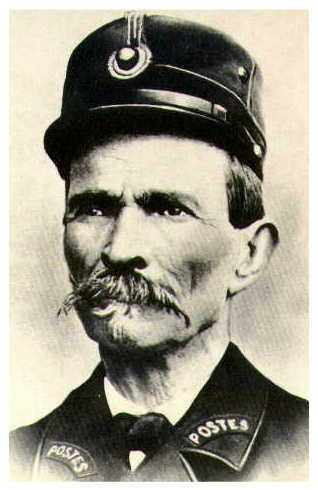
From Mailbag to Masterpiece: The Building Process
At first, Cheval would simply mark or pocket stones during his rounds, then return later to collect them. He carried them in his pockets, his mailbag, and even used a wheelbarrow for larger finds. What started as a curious habit soon became a disciplined daily practice.
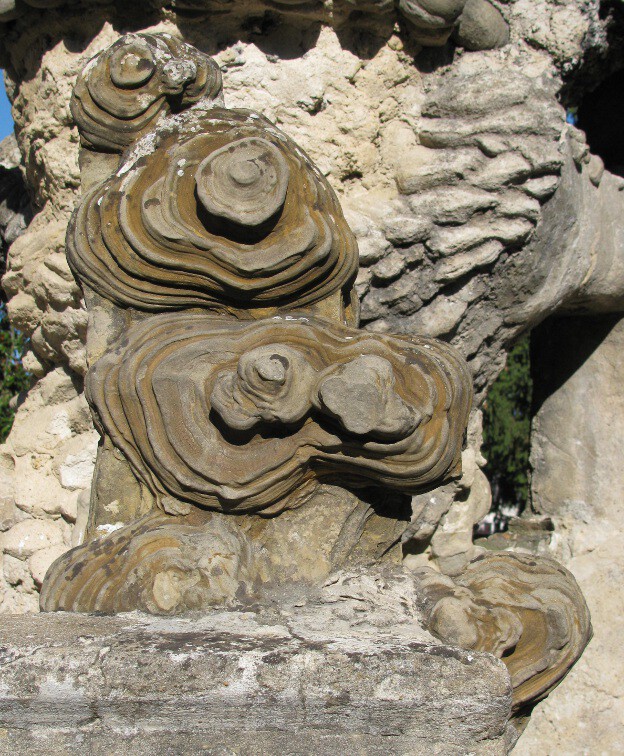
He worked on the structure after his mail shifts, often by lamplight, using lime, mortar, and wire to bind the stones together. The palace, which he called the Palais Idéal, blends elements of nature, mythology, and exotic architecture—inspired by postcards and magazines he delivered along his route.
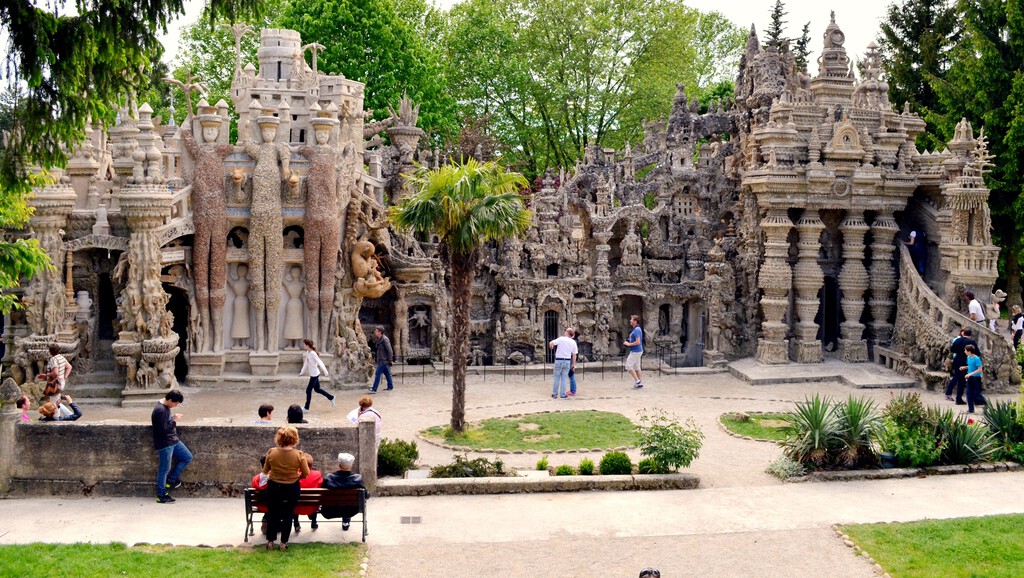
Cheval had no blueprint. He relied on his imagination and intuition, building the palace one stone at a time. The result is a labyrinthine structure adorned with towers, grottoes, sculptures of animals, and intricate carvings, all made from stones he found during his walks.
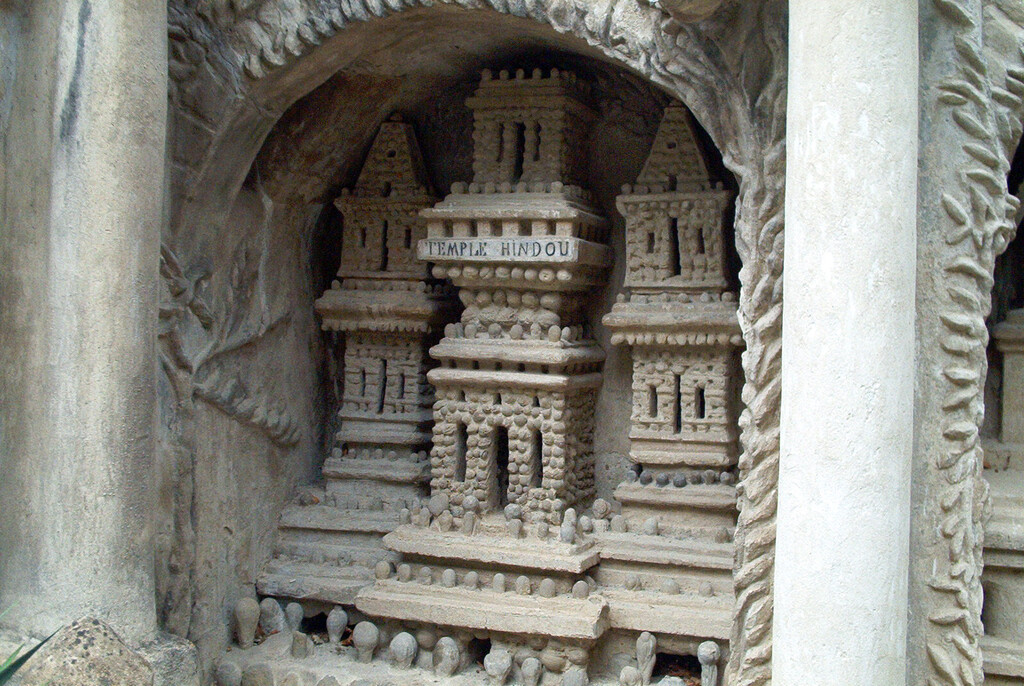
33 Years of Dedication
Cheval began construction in 1879 and did not consider his work finished until 33 years later, in 1912. By then, he was 76 years old. The Palais Idéal stands as a testament to extraordinary patience and perseverance. Context on how this played out before sits in Ferdinand Cheval: The Postman Who Built a Palace from Stones.
He initially planned to be buried in the palace but later built a separate tomb in the local cemetery, which he also finished just in time—he died in 1924, at the age of 88, only a year after completing the tomb. The background to this story is set out in Trending: latest articles. A related thread runs through Muhammad Ali's Quote on Change and Growing Older.
Why the Palais Idéal Matters Today
The Palais Idéal is considered a masterpiece of outsider art and naive architecture. It attracts thousands of visitors each year and has inspired artists and writers, including Pablo Picasso and André Breton. The palace was classified as a historical monument in 1969, decades after Cheval's death. Earlier coverage in Apple Watch Series 12 vs Galaxy Watch9 vs Huawei GT 7 Pro shows how the argument developed. A closer look at the same subject appears in Cueva del Viento: Tenerife's 27,000-Year-Old Lava Tube With 190 Species.
Cheval's story resonates because it shows how an ordinary person, with no formal training or resources, can create something extraordinary through sheer persistence and vision. It also highlights the value of paying attention to the world around us—a lesson as relevant today as it was in 1879. Anyone following the wider picture can start with Van Gogh's Starry Night May Depict Real July 1889 Sky, Study Finds. The same theme surfaces in China's Airborne Wind Turbine Generates Power at 4,000 Meters, which takes a different angle.
Key Takeaways from Ferdinand Cheval's Story
- Ordinary beginnings can lead to extraordinary outcomes: Cheval was a postman with no artistic training.
- Consistency matters more than credentials: He built the palace one stone at a time over 33 years.
- Inspiration can come from anywhere: A single unusual stone sparked a lifelong project.
- Persistence pays off: Cheval completed his work at age 76 and lived to see it recognized.
- Legacy is built over time: The Palais Idéal is now a protected historical monument.
Palais Idéal: Key Facts and Figures
| Fact | Detail |
|---|---|
| Builder | Ferdinand Cheval, a rural postman |
| Location | Hauterives, Drôme, France |
| Construction start | 1879 |
| Construction end | 1912 |
| Duration | 33 years |
| Age at completion | 76 |
| Age at death | 88 (1924) |
| Historical monument status | Classified in 1969 |
FAQ
Who was Ferdinand Cheval?
Ferdinand Cheval was a French postman born in 1836. He is famous for building the Palais Idéal, a fantastical palace made from stones he collected during his mail routes in the Drôme region of France.
How long did it take to build the Palais Idéal?
It took 33 years, from 1879 to 1912. Cheval worked on it after his mail shifts, using stones he found along his route.
What is the Palais Idéal made of?
The palace is constructed from stones Cheval collected during his daily walks, bound together with lime, mortar, and wire. It features intricate carvings, towers, and sculptures inspired by nature and mythology.
Why is the Palais Idéal significant?
It is a celebrated example of outsider art and naive architecture. It was classified as a historical monument in 1969 and has inspired artists like Picasso and André Breton.
Browse the Shop
 Acacia frida deluxe solid wood bed frame |
Bedroom bench |
Bed chest drawers |
Lingerie dresser |
Frame base |
Mirror with jewelry storage |
30 Bathroom Vanity |
Memory foam queen mattress |
Mattresses for back pain |
Nightstand set of 2 |
Grand Goldman Shop |
Civil Lawyer
Deutschland Trikot WM 2026







