

A major new study reveals that AI in education is boosting homework grades by 18% on average, but the same students are seeing their exam scores decline. The research, highlighted by The Economist, tracked nearly 27,000 Chinese students aged 12 to 18 from January 2023 to June 2025.
China was chosen because AI adoption there has been rapid from the start. About 80% of participants used AI tools like DeepSeek or Doubao (ByteDance's AI), while the remaining 20% served as a control group. It is one of the largest studies to date on how generative AI affects school learning.
Find Original Home Decor sparking conversation at Grand Goldman Shop.

Homework Gets Better and Faster with AI
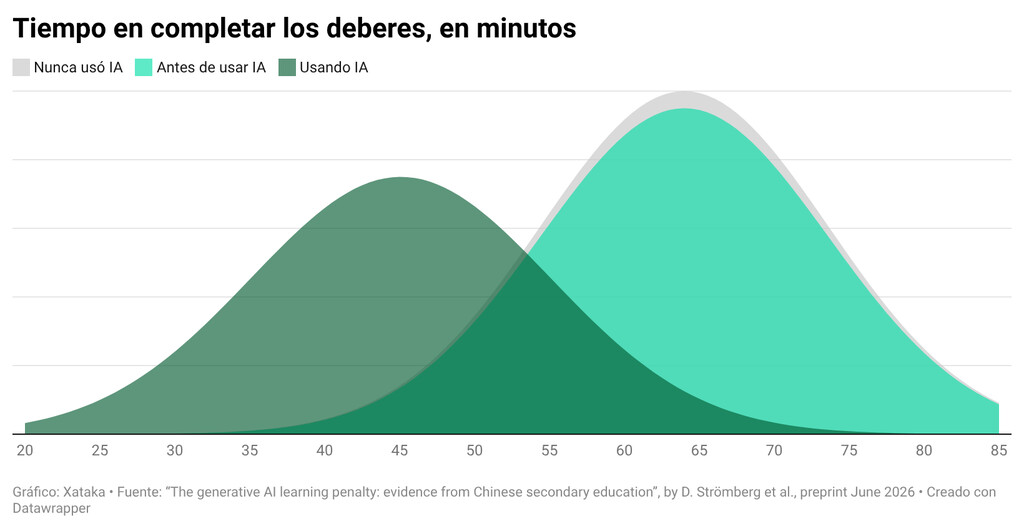
After six months, students using AI saw their homework scores improve by an average of 18% across all subjects. They also completed assignments more quickly: average time dropped from 64 minutes to 45 minutes.
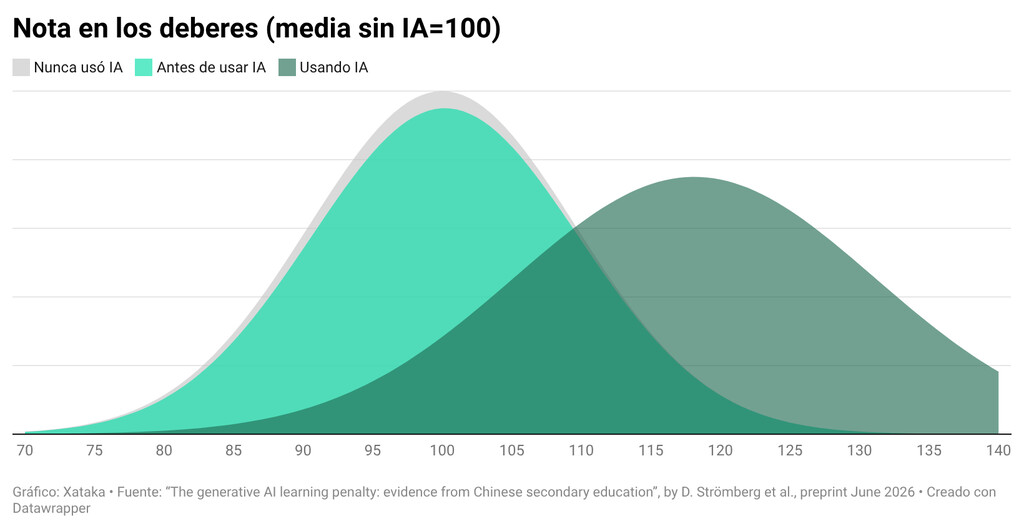
These results are clear: AI helps students produce better homework in less time. But the story doesn't end there.
Exam Performance Takes a Hit
When it came to exams, the picture reversed. Students who relied on AI for homework performed worse on tests compared to the control group. This suggests that while AI can help with immediate task completion, it may hinder the development of skills needed for independent problem-solving.
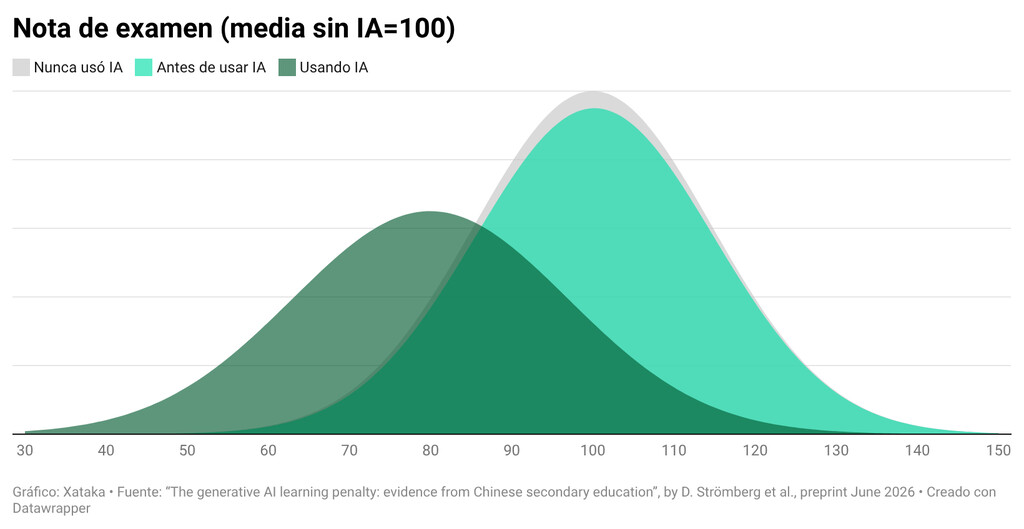
The study points to a learning gap: students may be using AI as a shortcut rather than as a tool for understanding. Without the struggle of working through problems, they fail to retain knowledge and apply it under exam conditions.
Why This Matters for Students and Educators
This research raises important questions about the role of AI in education. If students use AI to complete homework without engaging with the material, they may miss out on critical learning opportunities. Educators and parents need to guide students toward productive use of these tools.
- AI improves homework efficiency: Students complete assignments faster and score higher.
- Exam scores decline: Reliance on AI may reduce independent problem-solving skills.
- Learning requires struggle: Productive struggle is often necessary for deep understanding.
- Guidance is essential: Teachers and parents should monitor AI use to ensure it supports learning.
- Long-term effects unknown: The study period was 18 months; longer-term impacts need investigation.
How AI Use in Education Compares
| Metric | With AI | Without AI (Control) |
|---|---|---|
| Homework Score Improvement | +18% average | Baseline |
| Time Spent on Homework | 45 minutes (avg) | 64 minutes (avg) |
| Exam Performance | Declined | Stable or improved |
| AI Adoption Rate | 80% of students | 0% |
The table shows the stark contrast: AI users excel in homework but falter in exams. This pattern suggests that AI may be masking gaps in understanding. The background to this story is set out in Students set new records for A-level grades in bumper year. A related thread runs through GCSE Results 2025: Gender Gap Narrows, Grades Show Resilience. Earlier coverage in GCSE Results 2025: Record Maths Grades and English Gains shows how the argument developed.
What to Watch Next
As AI tools become more integrated into education, further research is needed to understand how to harness their benefits while mitigating drawbacks. Schools may need to redesign assessments to focus on critical thinking and application rather than rote memorization. A closer look at the same subject appears in GCSE Results 2025: Boys Achieve Top Maths Grades in England. Anyone following the wider picture can start with A-Level Grade Surge Leaves Students Without University Places. The same theme surfaces in University of Michigan Pass/Fail Grades for First-Year Students, which takes a different angle.
Parents and educators should encourage students to use AI as a supplement, not a replacement, for their own thinking. The goal is to leverage AI for personalized learning while ensuring students develop the skills to succeed independently. Context on how this played out before sits in A-Level Results 2025: Record Grades Secure University Places. A companion piece, Son Bans His Dad From Seeing His Mom In Her Last Days Because He Cheated, approaches the same subject from another angle.
FAQ
What did the study find about AI and homework?
The study found that students using AI improved their homework scores by an average of 18% and completed assignments faster, reducing average time from 64 to 45 minutes.
Did AI use affect exam scores?
Yes, students who used AI for homework performed worse on exams compared to the control group, suggesting that AI reliance may hinder independent problem-solving skills.
Why did the study focus on Chinese students?
China was chosen because AI adoption has been rapid from the start, with about 80% of students using AI tools, providing a large sample to study the effects.
What are the implications for educators?
Educators should guide students to use AI as a learning aid rather than a shortcut, and consider redesigning assessments to emphasize critical thinking and application.
Browse the Shop
 Acacia frida deluxe solid wood bed frame |
Bedroom bench |
Bed chest drawers |
Lingerie dresser |
Frame base |
Mirror with jewelry storage |
30 Bathroom Vanity |
Memory foam queen mattress |
Mattresses for back pain |
Nightstand set of 2 |
Grand Goldman Shop |
Civil Lawyer
Deutschland Trikot WM 2026







