

Diogo Almeida, one of the authors of InstructGPT and a former OpenAI researcher, has launched TypeSafe AI and its new model Jev, which is 400 times cheaper than typical AI models by avoiding text generation altogether. This development could reshape how businesses deploy AI for decision-making tasks.
Who is Diogo Almeida and What is TypeSafe AI?
Diogo Almeida is not your average AI entrepreneur. He worked at OpenAI and was one of the authors of InstructGPT, the study on reinforcement learning from human feedback (RLHF) that helped lay the groundwork for ChatGPT. Four years later, he has founded a new company called TypeSafe AI and developed a new model named Jev.
Find Original, High-end Home Decor that spark conversation at Grand Goldman Shop.
What makes Jev unusual is that it sacrifices the very thing that made ChatGPT famous: it cannot generate text. Instead, it focuses on a different kind of output—structured decisions with probabilities.
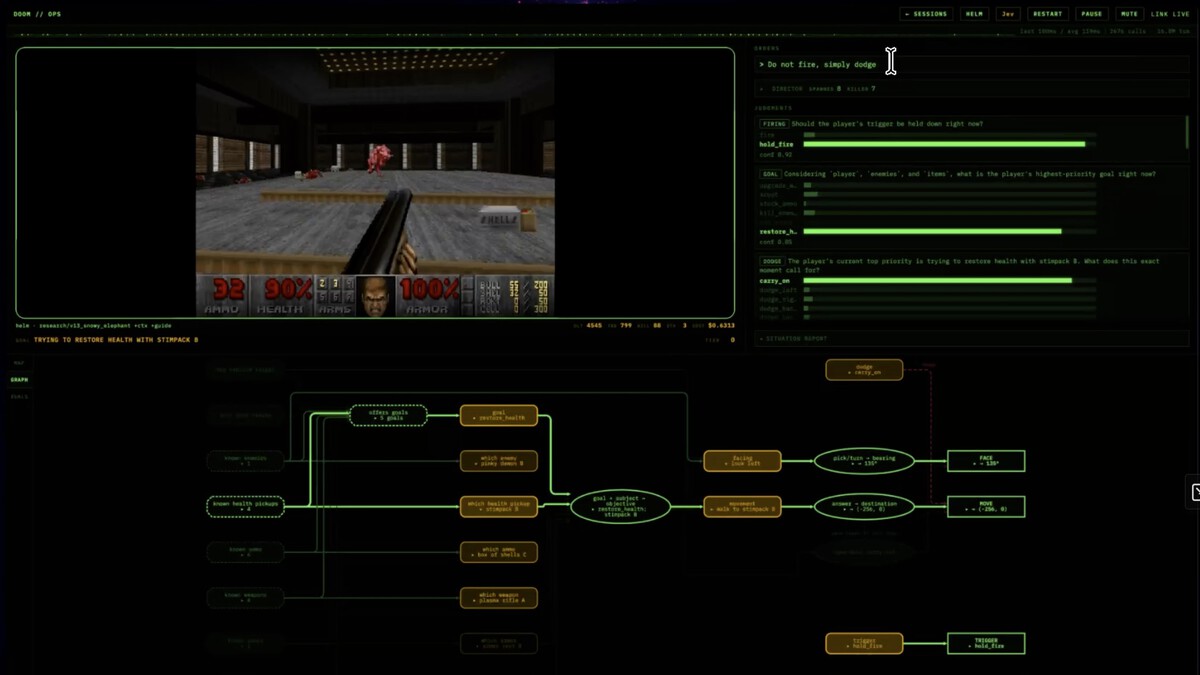
How Does Jev Work Without Generating Text?
When a large language model (LLM) like GPT-5.6 Sol receives a question and builds a response, it does so by generating one token after another like a "stochastic parrot." Jev is designed for something else: it takes unstructured information and returns decisions accompanied by probabilities.

For example, in a transaction, an application could ask Jev whether the transaction might be fraudulent, whether it requires human review, and what priority the alert should have. Jev doesn't ramble: it simply returns the allowed options and how "confident" it is in each one.
Why the Name Jev? The Jevons Paradox Connection
The name "Jev" is a reference to the 19th-century English economist William Stanley Jevons, known for the Jevons paradox. According to this theory, technological efficiency in resource use can lead to increased overall consumption rather than reduction. Context on how this played out before sits in OpenAI Co-Creator's New AI Model Jev: 400x Cheaper, No Text.
By naming the model after Jevons, Almeida hints at a similar dynamic in AI: making models vastly cheaper could lead to far more widespread use, ultimately increasing total AI computation and impact. The background to this story is set out in Ai Video: latest articles. A related thread runs through Microsoft Called AI Training on News "Biggest Theft in History.
Key Takeaways
- Cost efficiency: Jev is 400 times cheaper than typical AI models by avoiding text generation.
- Focused functionality: It returns decisions with probabilities, not conversational text.
- Real-world applications: Ideal for fraud detection, risk assessment, and automated decision-making.
- Expert pedigree: Created by Diogo Almeida, co-author of InstructGPT, a key precursor to ChatGPT.
- Potential impact: Could democratize AI for businesses that need affordable, high-volume decision-making.
Jev vs. Traditional LLMs: A Comparison
| Feature | Jev (TypeSafe AI) | Traditional LLMs (e.g., GPT-5.6 Sol) |
|---|---|---|
| Output type | Decisions with probabilities | Generated text (tokens) |
| Cost | 400x cheaper | Standard API pricing |
| Use cases | Fraud detection, risk assessment, prioritization | Chatbots, content creation, Q&A |
| Transparency | Returns confidence scores for each option | Generates text without explicit confidence |
| Complexity | Optimized for structured decisions | General-purpose language understanding |
What This Means for the AI Industry
The launch of Jev signals a growing trend: specialized AI models that do one thing exceptionally well and at low cost. As AI subscriptions become unsustainable—$200 per month can give access to $14,000 worth of tokens—efficiency-focused models like Jev could be a game-changer. Earlier coverage in OpenAI's New AI Safety Standards: What They Mean for You shows how the argument developed. A closer look at the same subject appears in OpenAI and Anthropic Fall Behind in AI Agents as Meta Wins.
Businesses that need to process millions of decisions per day, such as in finance or customer service, may find Jev's approach far more practical than deploying a full LLM. It also raises questions about the future of general-purpose models versus task-specific ones. Anyone following the wider picture can start with Xbox Cloud Gaming Price Hike: The Cost of a Console-Free Future. The same theme surfaces in UK Consumer Confidence Plummets Fastest Since Covid on Cost of Living, which takes a different angle.
FAQ
What is Jev and who created it?
Jev is an AI model developed by TypeSafe AI, a company founded by Diogo Almeida, a former OpenAI researcher and co-author of InstructGPT. It is designed to make decisions with probabilities rather than generate text.
How is Jev 400 times cheaper than other AI models?
Jev achieves this by not generating text, which is computationally expensive. Instead, it processes unstructured input and outputs structured decisions with confidence scores, drastically reducing the resources required.
What can Jev be used for?
Jev is ideal for applications like fraud detection, risk assessment, and alert prioritization, where the goal is to make a decision rather than produce a human-readable explanation.
Why is it called Jev?
The name references William Stanley Jevons, the 19th-century economist known for the Jevons paradox, which suggests that increased efficiency can lead to higher overall consumption—a parallel to how cheaper AI might lead to more widespread use.
Browse the Shop
 Acacia frida deluxe solid wood bed frame |
Bedroom bench |
Bed chest drawers |
Lingerie dresser |
Frame base |
Mirror with jewelry storage |
30 Bathroom Vanity |
Memory foam queen mattress |
Mattresses for back pain |
Nightstand set of 2 |
Grand Goldman Shop |
Civil Lawyer
Deutschland Trikot WM 2026










