

Telefónica is restructuring its German subsidiary O2 after losing a major wholesale client, and the plan hinges on deploying about 150 AI use cases while reducing staff, closing stores, and simplifying processes. The goal is to save €185 million annually from 2028, raising the question: how many workers can AI actually replace?
The crisis arrived before AI. O2 has been grappling with the loss of 1&1 as a key wholesale customer since 2023, a relationship estimated to have been worth up to €500 million per year. That rupture has driven revenue down 3.8% in 2025 and another 9.8% in the first half of 2026. AI is not the cause, but it is enabling a deeper response than a simple cost-cutting exercise.
Find Original, High-end Home Decor that spark conversation at Grand Goldman Shop.
150 AI Use Cases Already in Motion
According to Santiago Argelich Hesse, CEO of Telefónica in Germany, O2 is applying those AI use cases across network management, customer service, personalization, and internal processes. In the network, concrete examples already exist: O2 says its AI functions for adjusting frequencies and capacity based on demand reduce electricity consumption of the antenna network by around 10%.
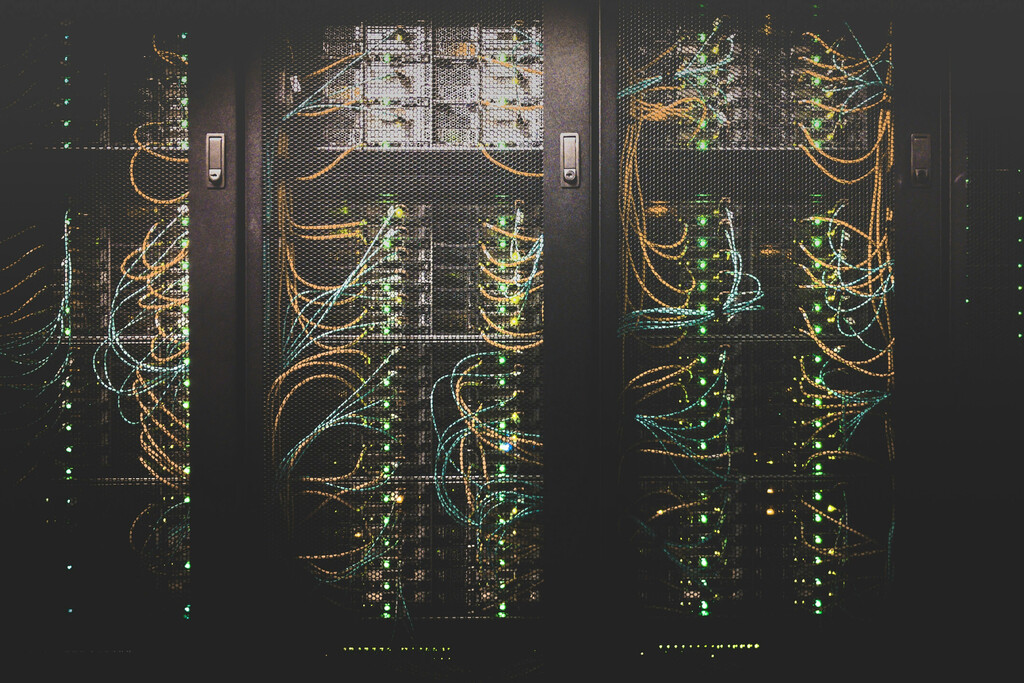
These are not speculative pilots. They are operational tools that directly affect how many people are needed to run the network and serve customers. The efficiency gains are real, and they compound over time.
Why AI Is the Response, Not the Cause
The narrative of "AI stealing jobs" misses the sequence of events. O2's workforce reduction is happening because the business lost a major revenue stream, not because AI suddenly appeared. The lost 1&1 contract forced a rethink of the cost base.
AI becomes the lever that makes a smaller workforce viable without collapsing service quality. Without AI, the same revenue loss might have led to even deeper cuts or a retreat from certain market segments. With AI, O2 can automate repetitive tasks and redeploy human effort to higher-value activities.
What This Means for Spain
Telefónica's German experiment is likely a preview of what could happen in Spain. The company faces similar pressures in its home market: intense competition, regulatory scrutiny, and the need to fund network investments while keeping costs in check.
If the German playbook works—using AI to offset revenue declines and protect margins—it would be surprising if Telefónica did not apply lessons learned to Spain. The question is not whether AI will affect employment at Telefónica, but how quickly and how deeply.
Key Takeaways
- O2 Germany is deploying ~150 AI use cases while cutting jobs and closing stores.
- The restructuring targets €185 million in annual savings from 2028.
- Revenue fell 3.8% in 2025 and 9.8% in H1 2026 after losing 1&1 as a wholesale client.
- AI reduces network energy consumption by about 10%, among other efficiency gains.
- The German model could inform Telefónica's approach in Spain.
AI Use Cases and Their Impact
The 150 use cases span multiple domains. In network management, AI optimizes frequency and capacity, cutting energy use. In customer service, AI handles routine inquiries, freeing human agents for complex issues. Personalization engines tailor offers and reduce churn. Internal processes benefit from automation of repetitive administrative tasks. Context on how this played out before sits in Stripe Survey: Spanish Founders Say They Would Not Start Again in Spain.
Each use case may not eliminate entire roles, but collectively they reduce the number of full-time equivalents needed to maintain service levels. That is how AI contributes to headcount reduction without a single dramatic announcement. The background to this story is set out in AI Chatbots Replace Human Jobs at British Gas: 1,300 Cuts. A related thread runs through Movistar Plus+ Loses Board as Telefónica Tightens Control.
| Area | AI Application | Reported Impact |
|---|---|---|
| Network management | Dynamic frequency and capacity adjustment | ~10% reduction in antenna network energy consumption |
| Customer service | Automated handling of routine inquiries | Frees agents for complex cases; reduces staffing needs |
| Personalization | Tailored offers and churn prediction | Improves retention and marketing efficiency |
| Internal processes | Automation of repetitive administrative tasks | Reduces back-office headcount |
The Bottom Line for Workers
AI is not replacing workers wholesale at O2; it is enabling a leaner operation after a revenue shock. The number of jobs affected depends on how aggressively the company applies these tools and how much it invests in reskilling. Earlier coverage in Germany's AfD Surge Demands Bolder Mainstream Strategy shows how the argument developed. A closer look at the same subject appears in Hollywood Creatives Are Training AI to Replace Their Own Jobs.
For Telefónica employees in Spain, the German case is a signal. The company is testing how far AI can go in a real market with real financial pressure. The results will shape decisions at home. Anyone following the wider picture can start with Telefónica Restructures: Abandons Geographic Model for Strategic Areas. The same theme surfaces in Business: latest articles, which takes a different angle.
FAQ
How many jobs is AI replacing at Telefónica's O2 Germany?
Telefónica has not disclosed a specific number of jobs replaced by AI. The company is reducing its workforce as part of a restructuring tied to the loss of 1&1, while deploying 150 AI use cases. The exact headcount impact depends on how many roles are automated versus reskilled.
Is AI the reason for the job cuts at O2?
No. The job cuts stem from the loss of 1&1 as a wholesale client, which cost O2 up to €500 million annually and drove revenue down 3.8% in 2025 and 9.8% in H1 2026. AI is a tool that makes the restructuring more efficient, not the root cause.
What are the 150 AI use cases at O2?
They cover network management (including energy-saving frequency adjustments), customer service automation, personalization, and internal process automation. O2 reports that AI-driven network adjustments alone cut antenna energy consumption by about 10%.
Will Telefónica apply the same AI strategy in Spain?
While not confirmed, the German experiment is likely a blueprint. Telefónica faces similar pressures in Spain, and if the O2 approach delivers savings and efficiency, it would be logical to adapt those lessons for the Spanish market.
Browse the Shop
 Acacia frida deluxe solid wood bed frame |
Bedroom bench |
Bed chest drawers |
Lingerie dresser |
Frame base |
Mirror with jewelry storage |
30 Bathroom Vanity |
Memory foam queen mattress |
Mattresses for back pain |
Nightstand set of 2 |
Grand Goldman Shop |
Civil Lawyer
Deutschland Trikot WM 2026










