

Cats manipulate humans through meowing, according to a new study that reveals domestic cats use vocalizations strategically to get people to act. The research, conducted at the University of São Paulo in Brazil, provides fresh insight into the mysterious language of cats and confirms what many owners have long suspected: our feline friends are not just expressing emotions—they are trying to make us do something.
What the Study Found About Cats Manipulate Humans
Researchers led by Naila Fukimoto designed an experiment with 38 domestic cats whose owners described them as especially vocal. The goal was to determine whether cats meow simply to express how they feel or whether they are deliberately attempting to prompt a response from humans.
Find Original Home Decor sparking conversation at Grand Goldman Shop.

The findings suggest that domestic cats have developed a sophisticated communication repertoire that includes body movements, facial expressions, and different vocalizations. What stands out is that adult cats rarely meow to communicate with each other, yet domestic cats meow constantly in the presence of humans. Feral cats, by contrast, meow far less frequently than their domestic counterparts.

This difference has led scientists to suspect for decades that meowing has become a tool specifically useful for relating to us. The new experiment adds weight to that theory, showing that cats may be using meows to influence human behavior.
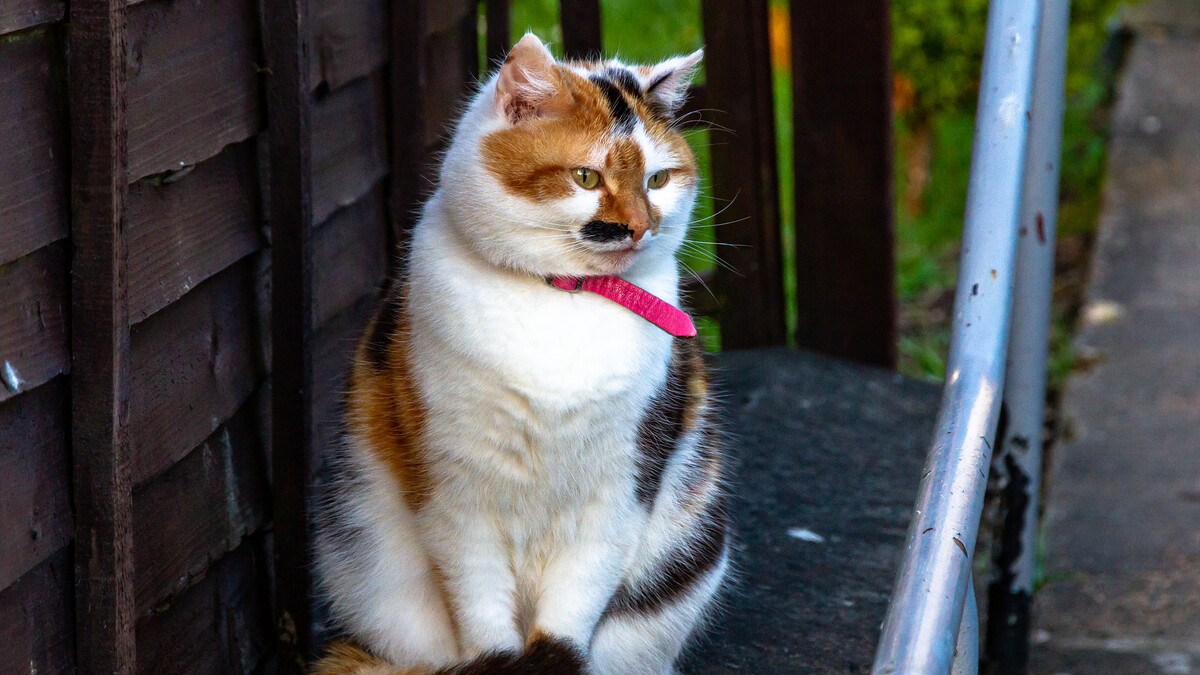
Why Cats Meow More Than They Need To
The study highlights a key distinction: meowing is not a natural adult cat-to-cat communication method. Kittens meow to get attention from their mothers, but once they grow up, wild and feral cats largely stop. Domestic cats, however, keep meowing—and they do it mostly around people.
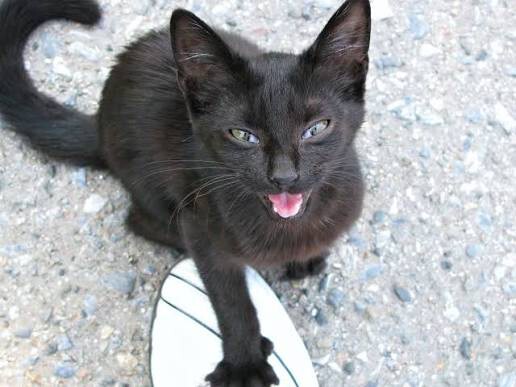
This suggests that meowing is a learned behavior that works. Cats meow because it gets results: food, opened doors, attention, or play. The experiment supports the idea that cats are not merely expressing hunger or discomfort but are actively trying to get their owners to respond.
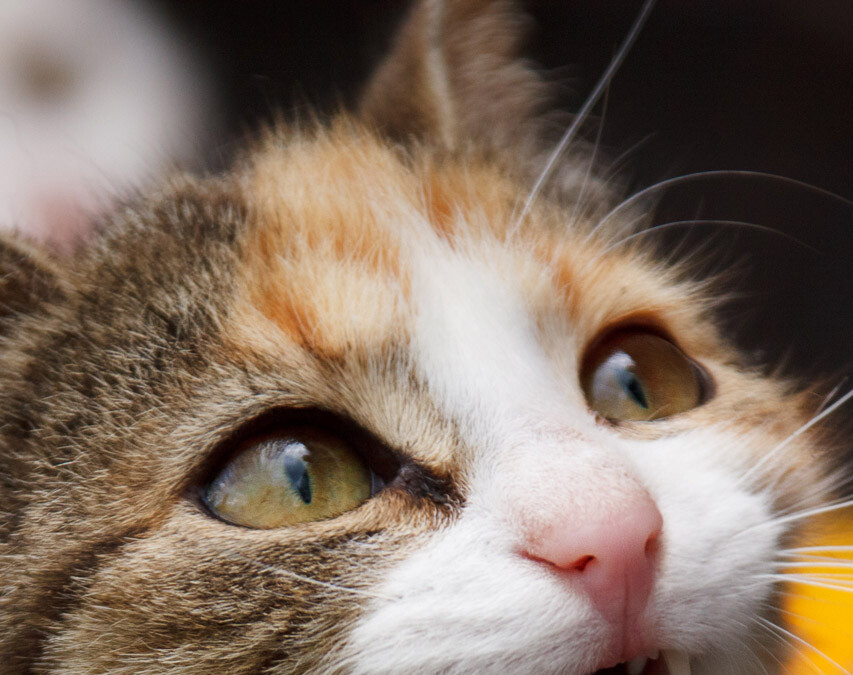
For pet owners, this means that ignoring a meowing cat is not always the right approach—but neither is giving in to every demand. Understanding the intent behind the meow can help build a better relationship with your cat.
How Cats Communicate Beyond Meowing
Cats use a complex mix of signals to communicate. While meowing is the most obvious to humans, it is only one part of the picture. Cats also use body language, tail position, ear orientation, and facial expressions to convey their needs and moods.
The study focused on vocal cats, but the researchers acknowledge that meowing is just one piece of the puzzle. The context in which a cat meows—whether it is standing by a door, near a food bowl, or on a lap—matters just as much as the sound itself.
Key Takeaways for Cat Owners
- Cats meow strategically to get humans to act, not just to express emotions.
- Domestic cats meow more than feral cats because it works to get attention and resources.
- Meowing is not typical adult cat-to-cat communication; it is primarily directed at humans.
- Understanding context is essential—where and when your cat meows tells you what it wants.
- Responding consistently can reinforce meowing as a tool, so be mindful of how you react.
Comparing Domestic and Feral Cat Vocalizations
| Behavior | Domestic Cats | Feral Cats |
|---|---|---|
| Meowing frequency | High, especially around humans | Low, rarely meow |
| Meowing purpose | To communicate with humans and get responses | Limited to kitten-mother communication |
| Adult cat-to-cat meowing | Rare | Rare |
| Use of body language | Extensive | Extensive |
| Reliance on humans | High | Low |
What This Means for the Human-Cat Relationship
The study reinforces the idea that cats have adapted their communication specifically to live with humans. Over thousands of years of domestication, they have learned that meowing gets them what they need. This is not necessarily manipulation in a negative sense—it is a clever survival strategy. The background to this story is set out in Dad Sends Hilarious Texts To His Daughter Trying To Decipher The Meows While Cat-Sitting. A related thread runs through Energy Utilities: latest articles. Earlier coverage in Cape Town Baboon Relocation Plan Sparks Heated Debate shows how the argument developed.
For owners, the takeaway is to pay attention to the patterns behind meowing. If your cat meows at the door, it likely wants to go out. If it meows near the food bowl, it is hungry. By recognizing these cues, you can respond appropriately without inadvertently rewarding excessive vocalization. A closer look at the same subject appears in Urban Birds Fear Women More Than Men, Study Finds. Anyone following the wider picture can start with Butterfly Wing Patterns Trick Predator Brains, Study Finds. The same theme surfaces in Why You Can't Resist Petting Every Cat You Meet, which takes a different angle.
The research also raises questions about how cats perceive us. If they are deliberately trying to make us act, they may have a more sophisticated understanding of human behavior than previously thought. This has implications for how we train, care for, and interact with our pets. Context on how this played out before sits in Kids' Screen Time Linked to Better Cognition, Study Finds. A companion piece, Cats Manipulate Humans: New Study Reveals Meowing Tactics, approaches the same subject from another angle.
FAQ
Do cats really manipulate humans with their meows?
Yes, according to the study, domestic cats use meowing strategically to get humans to respond. They are not just expressing emotions but are attempting to prompt actions like feeding or opening doors.
Why do domestic cats meow more than feral cats?
Domestic cats meow more because they have learned that meowing gets results from humans. Feral cats do not rely on humans for food or shelter, so they have less need to vocalize.
What should I do if my cat meows constantly?
Pay attention to the context. If your cat meows to get food or attention, respond consistently but avoid rewarding excessive meowing. Consult a veterinarian if the behavior changes suddenly.
Is meowing a sign of affection?
Meowing is primarily a way to communicate needs, but it can also be part of social interaction. Cats may meow to greet you or seek companionship, so it can reflect affection in some contexts.
Browse the Shop
 Acacia frida deluxe solid wood bed frame |
Bedroom bench |
Bed chest drawers |
Lingerie dresser |
Frame base |
Mirror with jewelry storage |
30 Bathroom Vanity |
Memory foam queen mattress |
Mattresses for back pain |
Nightstand set of 2 |
Grand Goldman Shop |
Civil Lawyer
Deutschland Trikot WM 2026







