

Heat-stressed plants that look dead after a summer vacation may still be alive, and knowing how to check can save them. When you return from the beach, festivals, or a family visit, you might find your indoor or garden plants wilted, brown, and seemingly beyond hope. Before you throw them away, take a closer look—many are simply conserving water and protecting their internal nutrient transport system.
According to horticulture professor Ross Cameron, writing in The Conversation, wilting is a natural response that helps plants survive summer stress. Even if you left keys with a neighbor to water them, extreme temperatures and missed daily care can take a toll. The key is to distinguish between a plant that is truly dead and one that is dormant or struggling.
Find Original, High-end Home Decor that spark conversation at Grand Goldman Shop.
Why Heat-Stressed Plants Wilt and Look Dead
Wilting is not necessarily a sign of death. It is a defense mechanism that reduces water loss and shields the plant's vascular system from damage. When temperatures soar and water is scarce, plants prioritize survival over appearance.
This means that a plant with drooping leaves and dry soil may still be fighting to stay alive. The challenge is to assess its true condition without causing further stress. Quick action based on accurate diagnosis can mean the difference between revival and loss.
How to Check If Your Plant Is Still Alive
Start by examining the stems and roots. A simple scratch test on the stem can reveal green, living tissue beneath the bark. If the stem is brown and brittle all the way through, that part may be dead, but the roots could still be viable.
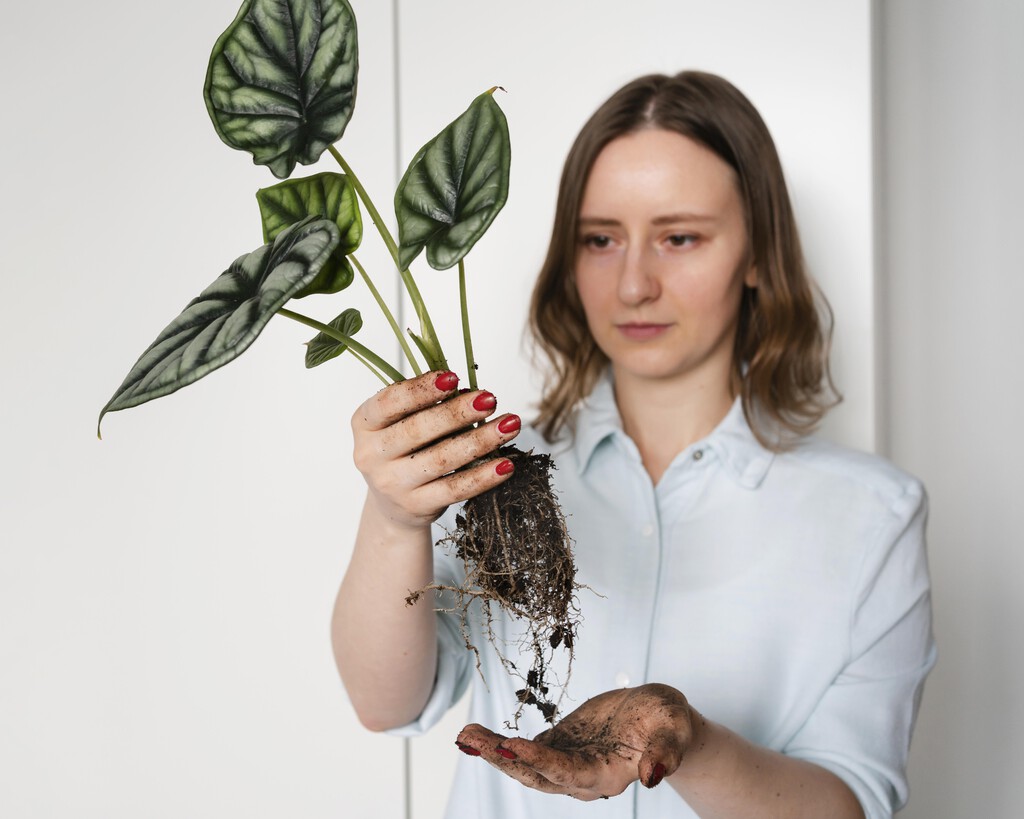
Check the soil moisture and root health. Gently lift the plant from its pot and inspect the roots—firm, white roots indicate life, while mushy, dark roots suggest rot. For garden plants, dig around the base to check for new shoots or green growth near the soil line.
- Scratch test: Use a fingernail to scrape a small section of stem; green tissue means life.
- Root check: Look for firm, light-colored roots; avoid disturbing them too much.
- Soil moisture: Dry soil may be the culprit, but don't overwater immediately.
- New growth: Look for tiny leaves or buds at the base or on branches.
- Flexibility: Bend a twig—if it snaps, it's likely dead; if it bends, it may still be alive.
Step-by-Step Revival Plan for Heat-Stressed Plants
If you find signs of life, act carefully. First, rehydrate the plant gradually—don't flood it. Water deeply but allow the soil to drain, and avoid direct sunlight during recovery.
Prune dead foliage to redirect energy to healthy parts. Trim brown, crispy leaves and stems, but leave any green tissue. Then, move the plant to a shaded, humid spot and mist it lightly to reduce stress.
Wait a few days before fertilizing; stressed plants can't handle extra nutrients. Patience is crucial—revival may take weeks, and some plants will only show new growth after a month.
When to Give Up and Start Over
Not every plant can be saved. If the entire stem is brittle and brown, and roots are mushy or hollow, it's time to compost it. However, even then, check for fallen seeds or self-propagated offsets that might survive.
For plants that are truly dead, consider it a learning opportunity. Next summer, set up a simple drip irrigation system or ask a neighbor to water deeply once a week. Grouping plants together can also create a microclimate that retains moisture. Context on how this played out before sits in How to Tell If a Heat-Stressed Plant Is Dead or Just Dormant.
| Sign | Alive | Dead |
|---|---|---|
| Stem scratch | Green underneath | Brown and dry |
| Roots | Firm, white | Mushy, dark |
| Twig flexibility | Bends without breaking | Snaps easily |
| New growth | Buds or shoots present | None |
Preventing Heat Stress in Future Vacations
Preparation is easier than revival. Before you leave, water plants thoroughly and move them out of direct sun. Use self-watering globes or a wicking system for indoor plants. The background to this story is set out in UK Frontline Workers Affected by Record Heat: Tell Us Your Story. A related thread runs through Energy Utilities: latest articles.
For garden beds, apply a thick layer of mulch to retain moisture. If you're away for more than a week, ask a friend to check on them—but leave clear instructions to avoid overwatering, which can be just as harmful as drought. Earlier coverage in China's Airborne Wind Turbine Generates Power at 4,000 Meters shows how the argument developed. A closer look at the same subject appears in Colorado River Water Crisis: The Richest Country Is Running Dry.
Consider choosing drought-tolerant species for your climate. Native plants often handle heat waves better and require less maintenance, making them ideal for busy households. Anyone following the wider picture can start with Costa Rica Reverses Deforestation: A Tropical Success Story. The same theme surfaces in iOS 27 Update: Essential Tips Before You Upgrade Your iPhone, which takes a different angle.
FAQ
Can a completely brown plant come back to life?
If the stems are brittle and roots are dead, it's unlikely. But if there's any green tissue near the base or roots are firm, it may recover with proper care. Always check before discarding.
How long does it take for a heat-stressed plant to recover?
Recovery time varies by species and severity. Some plants show new growth within a week, while others may take a month or more. Patience and consistent care are key.
Should I fertilize a heat-stressed plant immediately?
No, avoid fertilizing until the plant shows signs of new growth. Fertilizer can burn stressed roots and worsen the situation. Wait until the plant is actively growing again.
What's the best way to water a plant after a heat wave?
Water deeply but gradually. Let the soil absorb water, then wait before watering again. Avoid letting the plant sit in water, which can cause root rot.
Browse the Shop
 Acacia frida deluxe solid wood bed frame |
Bedroom bench |
Bed chest drawers |
Lingerie dresser |
Frame base |
Mirror with jewelry storage |
30 Bathroom Vanity |
Memory foam queen mattress |
Mattresses for back pain |
Nightstand set of 2 |
Grand Goldman Shop |
Civil Lawyer
Deutschland Trikot WM 2026







