

The Mediterranean is no longer a predictable summer destination. On August 24, 2026, two separate but equally violent storms—a convective system over Tarragona, Spain, and a supercell tornado in Pomas, France—demonstrated just how volatile the region's weather has become. These events, occurring roughly 250 kilometers apart within the same time window, are a stark reminder of what experts have been warning about all summer.
What Happened in Tarragona?
Between 17:00 and 18:30 local time, a convective system swept through the Camp de Tarragona region, unleashing torrential rain and hail of extraordinary size and intensity. The Servei Meteorològic de Catalunya had warned of possible intense rainfall, but the sheer ferocity caught many off guard.
Find Original Home Decor sparking conversation at Grand Goldman Shop.

The numbers tell the story: 373 calls to emergency services, 259 incidents requiring firefighter intervention, and 30 injuries. Videos circulating on social media show dozens of dead pigeons after the hailstorm—a grim indicator of the hail's size, speed, and force. Rail services were disrupted, and hundreds of incidents were reported across the area.
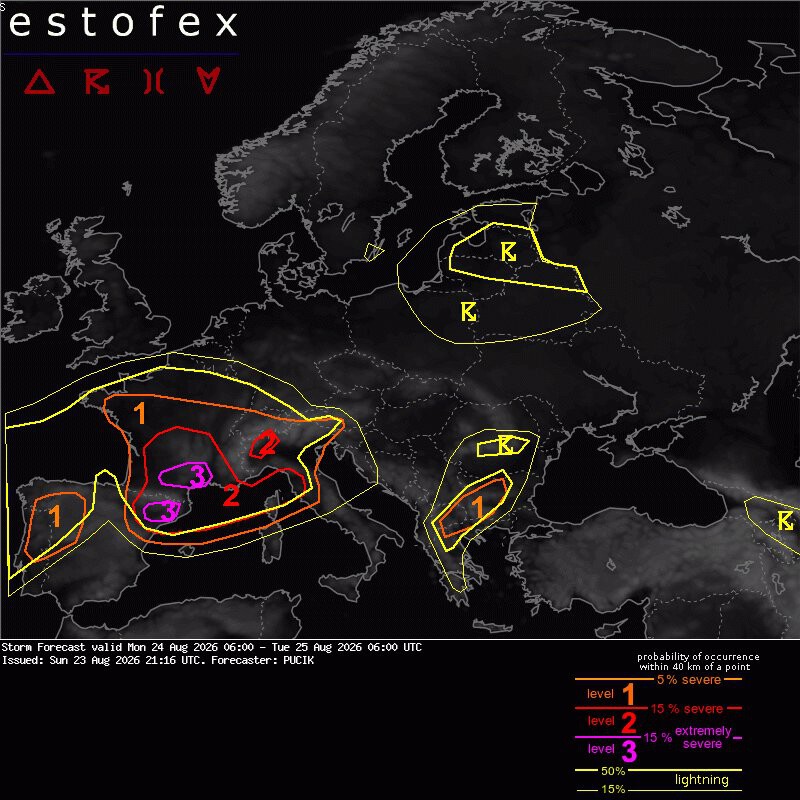
The Pomas Tornado: A Supercell of Rare Power
At roughly the same time, 250 kilometers north, a supercell tornado tore through Pomas, a village of about 1,000 inhabitants south of Carcassonne, France. The storm's hook echo and tight velocity dipole—signatures of a powerful tornado—were unmistakable on radar.
The aftermath: more than 300 homes damaged and 26 people injured. While the Tarragona images are impressive, the Pomas footage looks like something out of science fiction. This was a rare and violent tornado for Europe, and its timing alongside the Spanish storms is no coincidence.
Why These Two Storms Are Connected
On the surface, these were two independent systems and two radically different types of storms. But look closer, and the connections emerge. Both were fueled by the same underlying conditions: an unusually warm Mediterranean Sea, abundant moisture, and unstable atmospheric patterns.
Climate scientists have long warned that a hotter Mediterranean acts like a pressure cooker, loading the atmosphere with energy that can explode into violent weather. This summer, those warnings became reality. The events in Tarragona and Pomas are not isolated freak occurrences—they are symptoms of a shifting climate regime.
- Warmer sea surface temperatures increase evaporation and atmospheric moisture, fueling stronger storms.
- Unstable air masses create the perfect environment for convective systems and supercells.
- Rapid intensification makes forecasting difficult, as seen in Tarragona's surprise severity.
- Compound events—multiple extreme storms in a short period—are becoming more common.
- Infrastructure strain from hail, rain, and wind is testing emergency services across the region.
Comparing the Two Events: Tarragona vs. Pomas
While both storms were extreme, their characteristics and impacts differed significantly. The table below summarizes key data from each event.
| Feature | Tarragona (Spain) | Pomas (France) |
|---|---|---|
| Storm type | Convective system with hail | Supercell tornado |
| Time | 17:00–18:30, Aug 24, 2026 | Approx. same time |
| Emergency calls | 373 | Not reported |
| Injuries | 30 | 26 |
| Infrastructure damage | Rail disruptions, 259 fire interventions | 300+ homes damaged |
| Notable impact | Hail killed dozens of pigeons | Hook echo and velocity dipole |
What This Means for the Mediterranean
The Mediterranean is warming faster than almost any other sea, and that heat is changing the rules of weather. Storms that were once rare are becoming more frequent and more intense. The Tarragona hail and the Pomas tornado are wake-up calls.
For residents and travelers, this means paying closer attention to forecasts and taking warnings seriously. For authorities, it means investing in resilient infrastructure and improving early warning systems. The science is clear: the Mediterranean is not joking around. The background to this story is set out in Extreme Rain in Japan and Tornado in France: Climate Impacts. A related thread runs through Wisconsin Tornado and Meteotsunami: Rare Weather Events Explained. Earlier coverage in Spain Thunderstorms and Japan Typhoon: Extreme Weather Tracker shows how the argument developed.
What to Watch Next
As the climate continues to warm, we can expect more of these compound events. Researchers will be studying both storms to better understand the mechanisms at play. Meanwhile, communities in southern Europe must adapt to a new normal where extreme weather is no longer a distant threat. A closer look at the same subject appears in Extreme Weather Summer 2025: Climate Crisis Answers. Anyone following the wider picture can start with Extreme Weather Summer 2025: Wildfires and Floods Explained. The same theme surfaces in Godzilla El Niño Causes Extreme Weather Worldwide, which takes a different angle.
The events of August 24, 2026, will be remembered as a turning point—the day the Mediterranean showed its full fury. The question now is whether we are prepared for what comes next. Context on how this played out before sits in Climate Whiplash: The New Reality of Extreme Weather. A companion piece, California Wildfire Risk Rises as Extreme Weather Intensifies, approaches the same subject from another angle.
FAQ
What caused the Tarragona hailstorm?The hailstorm was caused by a convective system fueled by warm, moist air over the Mediterranean. The Servei Meteorològic de Catalunya had warned of intense rain, but the hail's size and ferocity surprised many.
The hailstorm was caused by a convective system fueled by warm, moist air over the Mediterranean. The Servei Meteorològic de Catalunya had warned of intense rain, but the hail's size and ferocity surprised many.
How rare is a tornado like the one in Pomas?Supercell tornadoes are relatively rare in Europe, especially of this intensity. The Pomas tornado damaged over 300 homes and injured 26 people, making it a significant and unusual event for the region.
Supercell tornadoes are relatively rare in Europe, especially of this intensity. The Pomas tornado damaged over 300 homes and injured 26 people, making it a significant and unusual event for the region.
Are these storms linked to climate change?While individual storms cannot be attributed solely to climate change, the warming Mediterranean Sea is loading the atmosphere with more energy and moisture, making such extreme events more likely. Experts have warned about this trend for years.
While individual storms cannot be attributed solely to climate change, the warming Mediterranean Sea is loading the atmosphere with more energy and moisture, making such extreme events more likely. Experts have warned about this trend for years.
What should residents do to prepare?Residents should stay informed about weather warnings, secure loose objects, and have a plan for severe weather. Authorities are urged to improve early warning systems and infrastructure resilience.
Residents should stay informed about weather warnings, secure loose objects, and have a plan for severe weather. Authorities are urged to improve early warning systems and infrastructure resilience.
Browse the Shop
 Acacia frida deluxe solid wood bed frame |
Bedroom bench |
Bed chest drawers |
Lingerie dresser |
Frame base |
Mirror with jewelry storage |
30 Bathroom Vanity |
Memory foam queen mattress |
Mattresses for back pain |
Nightstand set of 2 |
Grand Goldman Shop |
Civil Lawyer
Deutschland Trikot WM 2026







