

Valencia has known since 2003 exactly which areas would flood, yet construction continued in those very zones. This paradox—knowing the risk but building anyway—is at the heart of why humanity keeps living in catastrophic areas.
Recent disasters like the 2024 Valencia dana, which killed over 230 people, and the 2025 Palisades and Eaton fires in Los Angeles, which destroyed more than 16,000 structures, show the deadly consequences. The question is no longer whether we know the danger, but why we ignore it.
Find Original Home Decor sparking conversation at Grand Goldman Shop.

The Knowledge Gap: We've Known for Decades
In Valencia, flood risk maps have existed since 2003. These maps clearly delineate areas prone to flooding, yet urban development has continued in many of these zones. The same pattern appears globally: Los Angeles knows its fire-prone canyons, Texas knows its flash-flood valleys, and New Orleans has long known it sits below sea level.
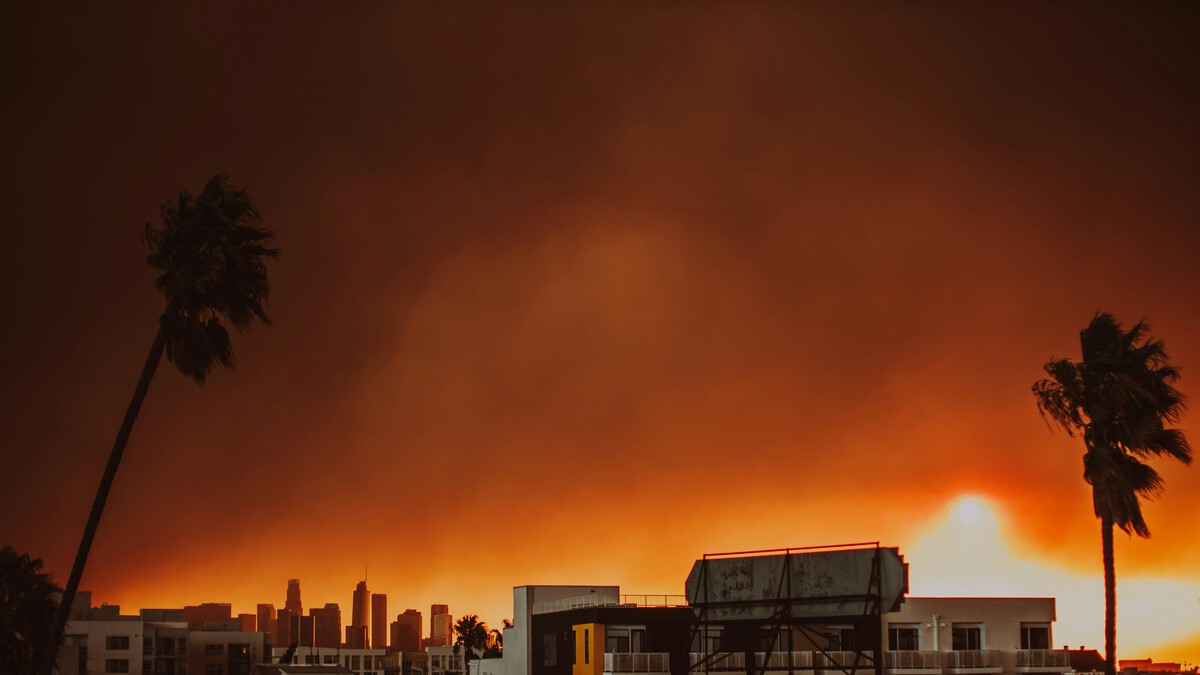
This isn't a failure of science. It's a failure of collective action. Risk awareness does not automatically translate into risk reduction. Instead, economic pressures, political inertia, and psychological biases often override caution.
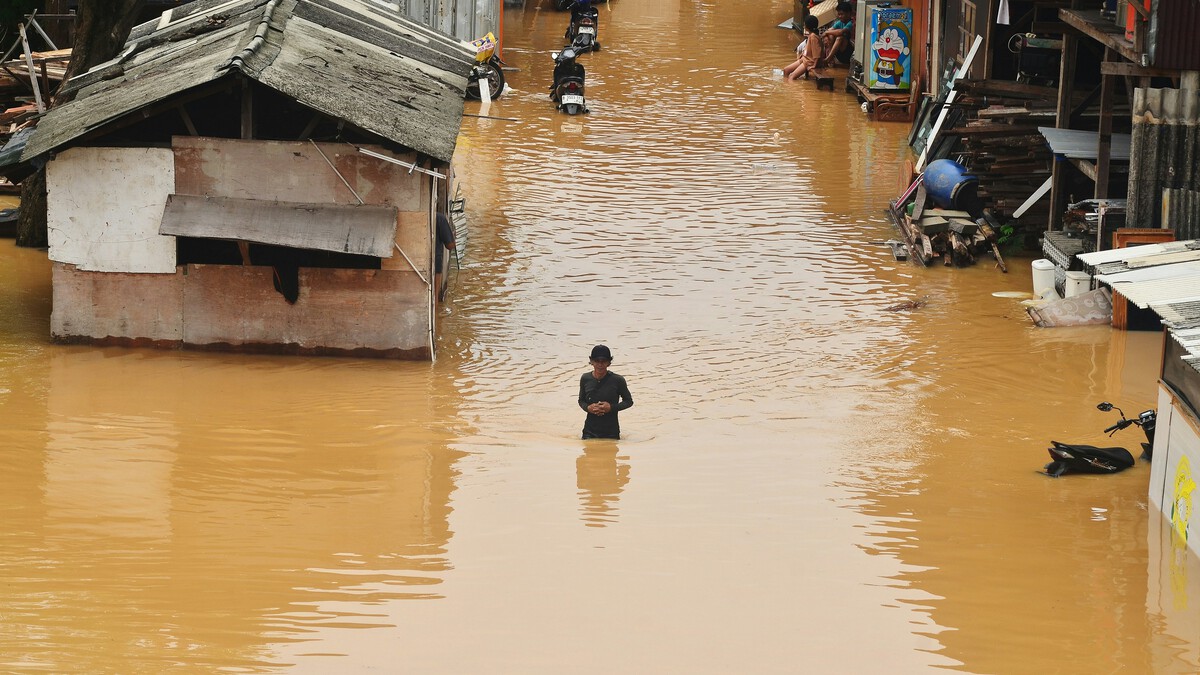
Why We Keep Building in the Mouth of the Wolf
Several factors explain this behavior. First, short-term economic gains often trump long-term safety. Floodplains are attractive for development—they're flat, fertile, and often scenic. Second, the normalization of risk sets in: if a disaster hasn't happened recently, people underestimate the probability. Third, political incentives favor quick rebuilding over relocation, as seen after Hurricane Katrina when the Bring New Orleans Back commission struggled to implement meaningful change.
Additionally, insurance systems can inadvertently encourage risky behavior by spreading losses across society. And social ties make people reluctant to leave their communities, even when danger is clear.
- Economic pressure: Floodplains offer cheap land and development opportunities.
- Psychological bias: People underestimate risks they haven't recently experienced.
- Political inertia: Rebuilding is faster and more popular than relocating.
- Insurance moral hazard: Subsidized premiums reduce individual accountability.
- Community attachment: Social bonds discourage moving away from danger.
The Human Cost of Ignoring Flood Maps
The 2024 Valencia dana was a stark reminder. Over 600 liters per square meter fell in 48 hours, turning streets into rivers and killing more than 230 people. Just weeks later, dana Adam brought similar scenes to Oliva, Pego, and Els Poblets, with helicopters rescuing residents from rooftops.
In Los Angeles, the 2025 fires destroyed entire neighborhoods that were built in known high-risk zones. In Texas, a flash flood on the Guadalupe River swept away a summer camp, killing 27 children and counselors. These tragedies share a common thread: the danger was known, but ignored.
| Disaster | Location | Year | Deaths | Structures Lost |
|---|---|---|---|---|
| Dana (Valencia) | Valencia, Spain | 2024 | 230+ | Unknown |
| Palisades & Eaton Fires | Los Angeles, USA | 2025 | 31 | 16,000+ |
| Guadalupe River Flood | Texas, USA | 2025 | 130+ | Unknown |
| Dana Adam | Eastern Spain | 2025 | 4+ | Unknown |
What Needs to Change: From Knowledge to Action
Breaking this cycle requires more than better maps. It demands a fundamental shift in how we value risk. Managed retreat—strategically moving communities away from danger—is controversial but necessary in some cases. Land-use regulations must be enforced, not just written. And insurance reform should reflect true risk, not subsidize dangerous choices.
Public education also plays a role, but as Valencia shows, information alone isn't enough. We need political courage to prioritize long-term safety over short-term convenience. After Katrina, the Bring New Orleans Back commission proposed bold changes, but many were watered down. The lesson: without sustained pressure, inertia wins. The background to this story is set out in Nepal Flood 2026: Koshi Valley Devastation and Glacial Risk. A related thread runs through Flood Risk Alert: One Third of Homeowners Unaware of Danger. Earlier coverage in Europe Wildfires: Officials Warn of Continued Fire Risk Through shows how the argument developed.
What to Watch Next
As climate change intensifies extreme weather, the stakes will only rise. Watch for three trends: first, whether governments start enforcing floodplain building restrictions; second, if insurance companies begin withdrawing from high-risk areas, forcing relocation; and third, how communities adapt—either through engineering or retreat. A closer look at the same subject appears in Victoria Flood Risk: Three Months of Rain Forecast for Australia. Anyone following the wider picture can start with Global Glacial Lake Flood Map Reveals 15 Million People at Risk. The same theme surfaces in Millions Face UK Coastal Flooding Risk from Climate Change, which takes a different angle.
The people of Valencia knew the risk since 2003. The question is whether the rest of the world will act on what it knows before the next disaster strikes. Context on how this played out before sits in UK Coastal Flooding Risk: 13 Million Face Climate Crisis Threat. A companion piece, Urban Heat Islands: How Smart Tree Planting Cools Cities, approaches the same subject from another angle.
FAQ
Why did Valencia continue building in flood-prone areas despite knowing the risk since 2003?
Economic pressures and political inertia often override safety concerns. Floodplains offer cheap land and development opportunities, and local governments may prioritize short-term growth over long-term risk reduction.
What was the Bring New Orleans Back commission?
After Hurricane Katrina, this commission was created to guide the rebuilding of New Orleans. However, many of its proposed reforms were weakened due to political and social resistance.
How can we encourage safer land-use decisions?
Enforcing floodplain regulations, reforming insurance to reflect true risk, and promoting managed retreat are key. Public education helps, but political will is essential to overcome inertia.
What is managed retreat?
Managed retreat is the strategic relocation of communities away from high-risk areas. It is controversial but increasingly considered necessary as climate risks grow.
Browse the Shop
 Acacia frida deluxe solid wood bed frame |
Bedroom bench |
Bed chest drawers |
Lingerie dresser |
Frame base |
Mirror with jewelry storage |
30 Bathroom Vanity |
Memory foam queen mattress |
Mattresses for back pain |
Nightstand set of 2 |
Grand Goldman Shop |
Civil Lawyer
Deutschland Trikot WM 2026







