

If you sleep eight hours and wake up completely exhausted during summer, the heat is likely sabotaging your sleep quality. Many people notice that even when they feel they have slept through the night, they wake up feeling as if they barely rested. This is not just a feeling—high temperatures interfere with the body's natural cooling processes that are essential for deep, restorative sleep.
Recent heatwaves have made this a common complaint. People hear the wind rattling windows and feel the temperature rise, yet some claim they sleep fine. But the next day, they feel drained. The reality is that sleeping in the heat, even if you stay asleep, can leave you more tired than if you had slept fewer hours in a cool room.
Find Original Home Decor sparking conversation at Grand Goldman Shop.

Why Heat Disrupts Your Sleep
There are two main reasons why it's hard to sleep in the heat and why you wake up exhausted. The first is insufficient cooling. At night, your core body temperature naturally drops by about 0.5°C to 1°C, which is essential for falling asleep. If the ambient temperature is too high, your body cannot cool down properly. You might manage to fall asleep, but the quality of that sleep will be poor.
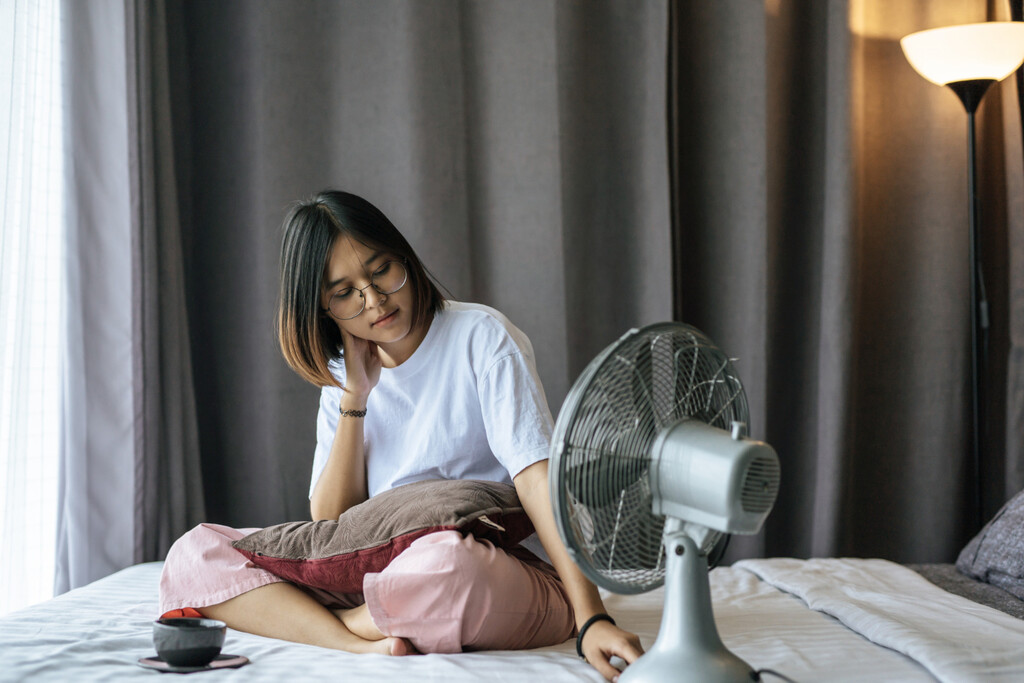
The second reason involves your body's thermoregulation mechanisms. As a homeotherm, your body maintains a constant internal temperature regardless of the environment. Two key mechanisms—sweating and vasodilation—work together to release heat. These processes are necessary for cooling down, but they can be disrupted when the environment is too hot.
How Your Body Tries to Cool Down at Night
When you sleep, your body continues to regulate temperature. Sweating helps dissipate heat through evaporation, while vasodilation widens blood vessels near the skin to release heat. However, in a hot room, these mechanisms may struggle to keep up. The result is that your body remains in a state of mild heat stress, preventing you from reaching the deep sleep stages that are crucial for feeling rested.
Additionally, high humidity can make sweating less effective, as sweat doesn't evaporate as quickly. This can lead to discomfort and frequent awakenings, even if you don't remember them. These micro-arousals fragment your sleep and reduce its restorative power.
The Consequences of Poor Sleep Quality
Waking up exhausted after a hot night is not just about feeling groggy. Poor sleep quality can affect your mood, cognitive function, and overall health. You may experience irritability, difficulty concentrating, and reduced productivity during the day. Over time, chronic sleep disruption can weaken your immune system and increase the risk of various health issues.
It's important to recognize that the amount of time you spend in bed is not the only factor—the quality of sleep matters just as much. Even if you sleep for eight hours, if your sleep is fragmented and lacking in deep stages, you will not feel refreshed.
Who Is Most Affected by Summer Heat?
Some groups are more vulnerable to the effects of heat on sleep. Older adults, for example, often have a harder time regulating body temperature and may be more sensitive to heat. Similarly, people with certain medical conditions, such as cardiovascular disease or obesity, may struggle more. Children and infants also have less efficient thermoregulation and rely on caregivers to keep their sleep environment cool.
If you fall into any of these categories, it's especially important to take steps to cool your bedroom and monitor for signs of heat exhaustion.
Practical Tips for Better Sleep in Hot Weather
To improve your sleep during summer, focus on cooling your body and your environment. Here are some strategies:
- Use air conditioning or fans to keep your bedroom cool, ideally between 60-67°F (15-19°C).
- Take a cool shower before bed to lower your core temperature.
- Choose lightweight, breathable bedding made of natural fibers like cotton or linen.
- Stay hydrated throughout the day, but avoid excessive fluids right before bedtime.
- Block out heat during the day by closing curtains and windows.
These measures can help your body cool down more efficiently and support the natural temperature drop needed for sleep.
Comparing Sleep Environments: Cool vs. Hot
The difference between sleeping in a cool versus a hot room is significant. The table below summarizes the key effects on sleep quality.
| Factor | Cool Room (60-67°F) | Hot Room (above 75°F) |
|---|---|---|
| Core body temperature drop | Facilitated | Impaired |
| Sleep onset | Faster | Delayed |
| Deep sleep duration | Normal | Reduced |
| Nighttime awakenings | Fewer | More frequent |
| Morning alertness | Higher | Lower |
As the table shows, a hot sleep environment can disrupt multiple aspects of sleep, leading to next-day fatigue. The background to this story is set out in Heat Exhaustion or Sleep Loss? The Silent REM Sleep Threat. A related thread runs through UK Sustainable Farming Funds Exhausted in Six Hours. Earlier coverage in Best Eye Masks for Summer Sleep: Tested in a UK Heatwave shows how the argument developed.
When to Seek Help
If you consistently wake up exhausted despite cooling your bedroom and following good sleep hygiene, it may be worth talking to a healthcare provider. Sleep problems can have underlying causes such as sleep apnea, restless legs syndrome, or hormonal imbalances. A doctor can help identify whether heat is the sole culprit or if there's another issue. A closer look at the same subject appears in Health: latest articles. Anyone following the wider picture can start with Air Conditioning All Day in Summer: Why Science Says It's a Bad Idea. The same theme surfaces in Open or Closed Window at Night: Science Settles the Debate, which takes a different angle.
For most people, however, adapting your sleep environment to the heat will make a noticeable difference. Pay attention to how you feel after making changes and adjust as needed. Context on how this played out before sits in Why a Beach Day Leaves You More Exhausted Than Work. A companion piece, Why You Wake Up Exhausted After 8 Hours of Summer Sleep, approaches the same subject from another angle.
FAQ
Why do I wake up tired even after 8 hours of sleep in summer?
Because high temperatures prevent your body from cooling down properly at night, which is necessary for deep sleep. Even if you stay asleep, the quality is poor, leaving you exhausted.
What is the ideal bedroom temperature for sleep?
Most experts recommend keeping your bedroom between 60-67°F (15-19°C) for optimal sleep. Temperatures above 75°F can significantly disrupt sleep.
Can fans help me sleep better in hot weather?
Yes, fans can improve air circulation and help sweat evaporate, making you feel cooler. However, if the air is very hot, a fan may not be enough—air conditioning is more effective.
Is it dangerous to sleep in a hot room?
While not usually dangerous for healthy adults, it can lead to heat exhaustion, especially for vulnerable groups like the elderly. It's important to stay cool and hydrated.
Browse the Shop
 Acacia frida deluxe solid wood bed frame |
Bedroom bench |
Bed chest drawers |
Lingerie dresser |
Frame base |
Mirror with jewelry storage |
30 Bathroom Vanity |
Memory foam queen mattress |
Mattresses for back pain |
Nightstand set of 2 |
Grand Goldman Shop |
Civil Lawyer
Deutschland Trikot WM 2026







