

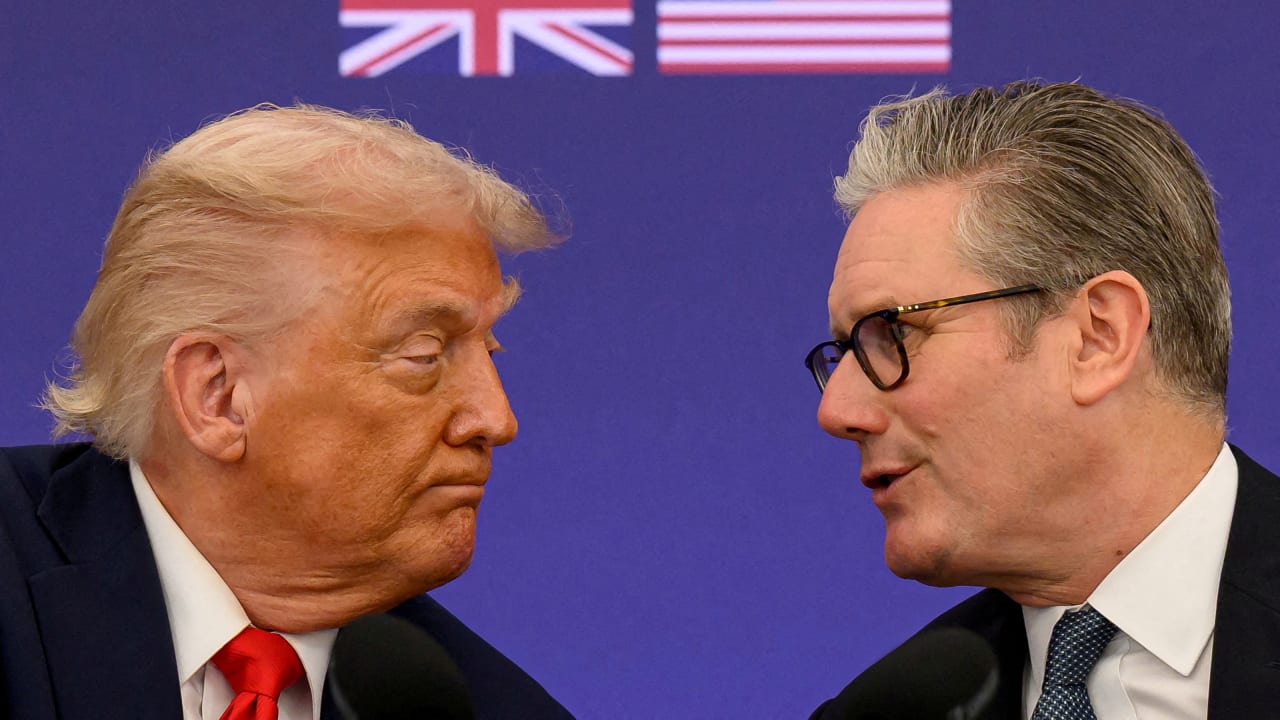
Het kantoor van de Britse premier Keir Starmer’s heeft bevestigd dat het Verenigd Koninkrijk niet vertegenwoordigd was in de laatste ronde van de onderhandelingen tussen de Verenigde Staten en Iran, kort voordat de door de VS en Israël uitgevoerde aanvallen op Iran eerder dit jaar. De verduidelijking komt temidden van tegenstrijdige berichten over Britse betrokkenheid en toenemende kritiek op diplomatieke inspanningen die bedoeld waren om een bredere confrontatie in het Midden-Oosten te voorkomen.
De bevestiging verdiept de vragen over de rol van Londen in een van de meest invloedrijke diplomatieke inspanningen in de recente geschiedenis van het Midden-Oosten, vooral gezien eerdere mediaberichten dat een senior Britse veiligheidsadviseur aanwezig was. Hier is wat tot nu toe bekend is, wat dit betekent voor wereldwijde diplomatie en hoe het past in de bredere positie van het VK ten aanzien van de Iran-crisis.
Find Bleeding Edge Supplements at Scandalous Prices on iHerb.


Tijdlijn van belangrijke diplomatieke momenten
26–28 februari 2026: Besprekingen in Genève
Eind februari vonden in Genève belangrijke diplomatieke ontmoetingen plaats tussen Iraanse functionarissen en Amerikaanse onderhandelaars. De focus lag op een mogelijk nucleair akkoord en een kader om de spanningen die maandenlang waren opgelopen te verminderen. Verschillende bronnen geven aan dat de onderhandelingen enige vooruitgang boekten richting een diplomatieke oplossing die het conflict mogelijk had kunnen voorkomen.
Maar de VS en Israël voerden op 28 februari 2026 gecoördineerde aanvallen uit op de strategische locaties van Iran, waardoor de diplomatieke inspanningen abrupt beëindigd werden en een bredere regionale confrontatie werd uitgelokt.
Standpunt van het VK: niet aan de eindtafel
Op 18 maart 2026, maakte een woordvoerder van Nr. 10 duidelijk dat:
-
Britse nationale veiligheidsadviseur, Jonathan Powell, was niet aanwezig bij die laatste Genève-gesprekken.
-
De onderhandelingen vonden bilateraal tussen de Verenigde Staten en Iran plaats, met bemiddeling van Oman.
-
Het VK ondersteunde in het algemeen de diplomatieke betrokkenheid, en steunde Amerikaanse gezanten zoals Steve Witkoff en Jared Kushner, maar zond geen functionarissen naar de laatste ronde.
Deze verklaring weerlegde eerdere berichtgeving — met name door The Guardian — waarin werd beweerd dat Powell in de kamer was en dat Teherans nucleaire voorstel zó significant was dat het de escalatie had kunnen voorkomen.
Waarom de verduidelijking ertoe doet
Tegenstrijdige verhalen
Vroege berichten op sociale platforms en sommige media wezen erop dat het VK aanwezig was en mogelijk een geloofwaardig akkoord kon ontstaan. Die accounts verwezen naar bronnen die beweerden dat Britse adviseurs bij de onderhandelingen aanwezig waren en dat een overeenkomst — mogelijk inclusief grenzen aan uraniumverrijking en toegenomen toezicht door de IAEA — op tafel lag.
Het kantoor van Starmer heeft dit narratief verworpen, met de nadruk dat de onderhandelingen los stonden van het VK en dat geen Britse diplomaat in de laatste onderhandelingsruimte aanwezig was.
Diplomatie versus militaire actie
Het Iran-conflict heeft diepe spanningen tussen diplomatieke betrokkenheid en militaire ingrepen benadrukt:
-
Sommige analisten beweren dat vroegtijdige betrokkenheid, beter voorbereide diplomatie en de betrokkenheid van alle partners tot een overeenkomst hadden kunnen leiden en oorlog had kunnen voorkomen. Critici zeggen dat de onderhandelingsstrategie van de VS werd ondermijnd door slechte voorbereiding en gebrek aan ervaring, waaronder een afhankelijkheid van politieke benoemingen zonder diepgaande technische expertise in nucleaire onderhandelingen.
-
Anderen stellen echter dat de leiding van Iran niet bereid was om betekenisvolle beperkingen te aanvaarden, en dat militaire opties als noodzakelijk werden beschouwd om de capaciteiten van Teheran te verzwakken. Publieke uitlatingen van de VS door president Trump uitten ontevredenheid over het tempo en het karakter van de onderhandelingen net voor de aanvallen.
Breder standpunt van het VK inzake het Iran-conflict
Officieel beleid
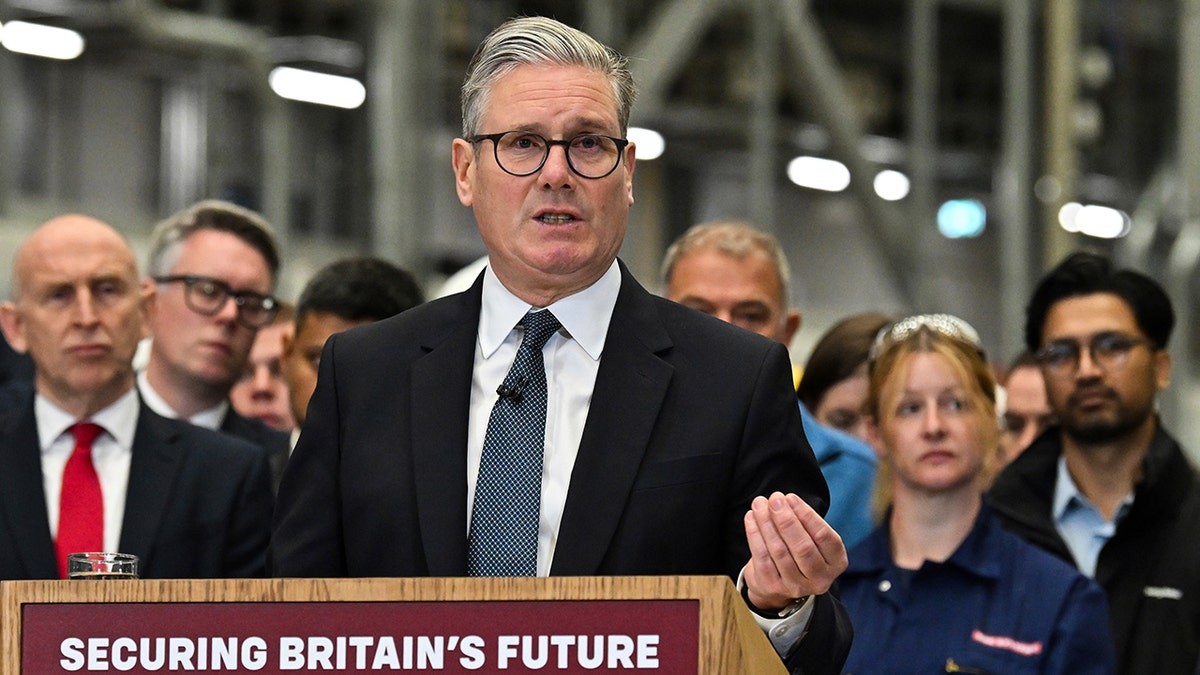
Het VK heeft herhaaldelijk benadrukt dat het geen deelnemer was aan de aanvallen op Iran. Premier Starmer en minister van Buitenlandse Zaken David Lammy hebben verklaard dat het VK zich niet bij de door de VS–Israëlische militaire campagne heeft aangesloten en in plaats daarvan opgeroepen tot de-escalatie en onderhandelingen.
Starmer verdedigde zijn beslissingen in het parlement, verwierp de kritiek dat hij bondgenoten in de steek liet en benadrukte dat Britse militaire acties rechtmatig zouden blijven en beperkt tot defensieve maatregelen, niet tot offensieve operaties.
Intern politiek debat
In het VK is het debat hevig geweest:
-
Conservatieve leider Kemi Badenoch en enkele oppositiefiguren drongen aanvankelijk aan op sterkere steun aan Amerikaanse en Israëlische operaties, waaronder het gebruik van Britse bases. Echter, Badenoch verzachtte haar standpunt later te midden van binnenlandse verontwaardiging.
-
Sommige Britse parlementsleden en commentatoren beweren dat de voorzichtige benadering van de regering de Britse belangen beschermt en voorkomt dat men betrokken raakt bij een bredere oorlog in het Midden-Oosten.
Het VK's strategische afweging
Een samenvatting van Britse zorgen:
| Prioriteit | Standpunt van de Britse regering |
|---|---|
| Directe militaire betrokkenheid vermijden | Bevestigd |
| Steun onderhandelingen over vrede | Beklemtoond |
| Bescherm Brits personeel en activa | Defensieve houding |
| Behoud de alliantie met de VS | In onderhandeling, complex |
| Bescherm handel en energiestromen | Belangrijke overweging |
Regionale en wereldwijde nasleep
Het mislukken van de onderhandelingen en de daaropvolgende aanvallen leidden tot een sterke toename van regionale spanningen, wijdverspreide slachtoffers en een uitbreiding van het conflict naar buurgebieden. Iran heeft raketten en drones ingezet in de Golf, wat luchtafweerreacties van de Golfstaten teweegbracht. Wereldoliemarkten stegen aanzienlijk toen de vrees voor energietoevoer toenam als gevolg van verstoringen in de Straat van Hormuz.
Internationale reacties zijn gemengd; sommige landen veroordelen militaire acties en anderen roepen tot terughoudendheid.
Wat gebeurt er nu?
Diplomatieke front
Pogingen om terug te keren naar onderhandelingen gaan door, zelfs terwijl militaire betrokkenheid af- en aan blijft nemen. Westerse bondgenoten staan onder druk om de steun voor de Amerikaanse veiligheidsdoelstellingen in evenwicht te brengen met bredere zorgen over burgerdoden en regionale destabilisatie.
Rol van het VK
Nu Londen officieel afwezig is bij de uiteindelijke besprekingen, ligt het diplomatieke pad nu meer op bredere multilaterale betrokkenheid en conflictde-escalatie, in plaats van een kerndeelnemer te zijn in de onderhandelingen tussen Washington en Teheran.
Terwijl de situatie in het Midden-Oosten evolueert, blijven de effectiviteit en geloofwaardigheid van de westerse diplomatie onder de loep staan — met name bij het vormen van uitkomsten die verdere escalatie voorkomen of tot een duurzame oplossing leiden.
Lees verder
Vance steunt Orban | TrumpRx-prijzen | Vaticaan dringt aan bij Trump | VK buitenspel gezet bij VS-Iran-gesprekken | BMW China-lancering
Browse the Shop
 Acacia frida deluxe solid wood bed frame |
Bedroom bench |
Bed chest drawers |
Lingerie dresser |
Frame base |
Mirror with jewelry storage |
30 Bathroom Vanity |
Memory foam queen mattress |
Mattresses for back pain |
Nightstand set of 2 |
Grand Goldman Shop |
Civil Lawyer
Deutschland Trikot WM 2026
Acacia frida deluxe solid wood bed frame |
Bedroom bench |
Bed chest drawers |
Lingerie dresser |
Frame base |
Mirror with jewelry storage |
30 Bathroom Vanity |
Memory foam queen mattress |
Mattresses for back pain |
Nightstand set of 2 |
Grand Goldman Shop |
Civil Lawyer
Deutschland Trikot WM 2026










