

Geomagnetic storm saturation, a long-held assumption that solar storm effects have a natural upper limit, may be a statistical illusion, according to new research from NASA and Lancaster University. This finding challenges decades of space weather modeling and suggests that the most intense solar storms could produce far stronger electrical currents than previously believed.
What Is Geomagnetic Storm Saturation?
For years, scientists believed that geomagnetic storms—disturbances in Earth's magnetosphere caused by solar wind—had a saturation point. Beyond a certain intensity, the harmful electrical currents generated in the atmosphere were thought to stop increasing. This comforting idea meant that even extreme solar events would have a capped impact on power grids, satellites, and communication systems.
Find Original Home Decor sparking conversation at Grand Goldman Shop.

The concept was widely accepted because it aligned with observations: once solar wind intensity crossed a threshold, the measured currents seemed to level off. But that apparent plateau, the new study argues, was not a physical limit—it was a statistical artifact.
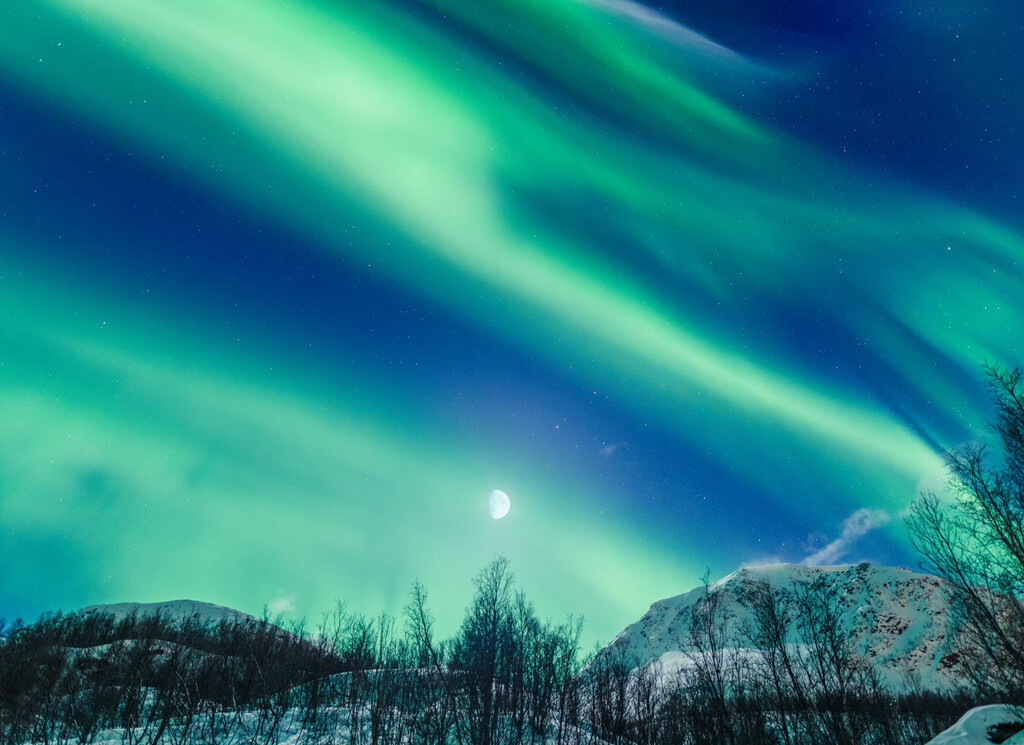
The Statistical Error: Regression to the Mean
The researchers identified that the observed saturation was actually a result of regression to the mean, a statistical phenomenon where extreme values tend to be followed by more average ones. In this context, the most intense solar wind measurements were often followed by less extreme current readings, creating the illusion of a cap.
This error went unnoticed for decades because the data seemed consistent. However, by reanalyzing the measurements with a more rigorous statistical approach, the team found that the currents can indeed continue to intensify as solar wind strength increases. The implications are significant: our worst-case scenarios for solar storms may be underestimated.
Why This Matters for Earth's Technology
Geomagnetic storms can induce powerful currents in power lines, leading to transformer damage and widespread blackouts. They also disrupt satellite operations, GPS signals, and radio communications. If the saturation effect is a myth, then the potential damage from a major solar event is greater than we thought.
This is not just a theoretical concern. As our dependence on technology grows, so does our vulnerability to space weather. The new findings suggest that existing infrastructure may not be adequately prepared for the most extreme solar storms.
How Solar Wind Is Measured—and Why It's Tricky
Solar wind intensity is measured by spacecraft positioned at the L1 Lagrange point, about 1.5 million kilometers from Earth toward the Sun. This location provides advance warning of incoming solar wind, but it also introduces a complication: the solar wind changes as it travels from L1 to Earth.
The study highlights that the intensity measured at L1 does not perfectly match what actually reaches our planet. This discrepancy, combined with the statistical error, has led to a systematic underestimation of the currents that can be generated during extreme events. The background to this story is set out in SMILE Mission: ESA and China Join Forces to Study Solar Wind Impact. A related thread runs through Europoor Myth Debunked: Seven Ways Europeans Are Exceedingly Rich. Earlier coverage in 10,000 Steps Myth Debunked: Walking Pace Matters More Than Count shows how the argument developed.
Key Takeaways from the Study
- Saturation is a statistical artifact, not a physical limit, caused by regression to the mean.
- Geomagnetic currents can keep increasing with solar wind intensity, with no observed upper bound.
- Existing risk models may underestimate the impact of extreme solar storms on power grids and satellites.
- Measurement at L1 does not fully capture the solar wind's effect at Earth, adding uncertainty.
- Infrastructure planning should account for the possibility of stronger-than-expected geomagnetic disturbances.
Comparing Solar Storm Scales: Old vs. New Understanding
| Aspect | Old Assumption (Saturation) | New Understanding (No Saturation) |
|---|---|---|
| Current intensity vs. solar wind | Levels off after threshold | Continues to increase |
| Worst-case scenario | Capped | Potentially much higher |
| Risk to power grids | Moderate for extreme events | Severe for extreme events |
| Statistical basis | Regression to the mean (unrecognized) | Corrected analysis |
What to Watch Next
The findings call for a reevaluation of space weather risk assessments. Scientists will need to update models that predict geomagnetic storm impacts, and policymakers should consider stricter resilience standards for critical infrastructure. Future research will likely focus on better understanding the relationship between solar wind measured at L1 and its effects on Earth's magnetic field. A closer look at the same subject appears in Mathematician Debunks Parthenon Optical Illusion Myth. Anyone following the wider picture can start with Wildfire Myths Debunked: Land Rezoning and Solar Panel Facts. The same theme surfaces in Wind and Solar Campaigns Undermine Renewable Support in Australia, which takes a different angle.
As we enter a period of increased solar activity, this study serves as a timely warning. The next major solar storm could be more disruptive than our models suggest—and we need to be ready. Context on how this played out before sits in Germany's Solar and Wind Success Creates a Shutdown Paradox. A companion piece, Australia Solar and Wind Hit 80% of Power Demand on Grid, approaches the same subject from another angle.
FAQ
What is geomagnetic storm saturation?
Geomagnetic storm saturation was the idea that the electrical currents induced by solar storms have a natural upper limit. Once solar wind intensity reached a certain point, the currents were thought to stop increasing. The new study shows this was a statistical error.
Why is regression to the mean a problem here?
Regression to the mean is a statistical phenomenon where extreme measurements tend to be followed by less extreme ones. In solar wind data, this created the false impression that currents plateaued at high intensities, masking the true relationship.
How does this affect power grids and satellites?
If currents can continue to increase, then extreme solar storms could produce stronger geomagnetic disturbances than previously modeled. This means power grids, satellites, and communication systems may face greater risks than assumed.
What should be done to prepare?
Risk models need to be updated to remove the saturation assumption, and infrastructure should be designed to withstand stronger currents. Continued monitoring and research are essential to improve forecasts.
Browse the Shop
 Acacia frida deluxe solid wood bed frame |
Bedroom bench |
Bed chest drawers |
Lingerie dresser |
Frame base |
Mirror with jewelry storage |
30 Bathroom Vanity |
Memory foam queen mattress |
Mattresses for back pain |
Nightstand set of 2 |
Grand Goldman Shop |
Civil Lawyer
Deutschland Trikot WM 2026







