

The noisy handshake of primitive modems connecting to the internet was more than just a nostalgic soundtrack—it was a critical negotiation that determined how data would flow between your computer and your ISP. Those screeches and beeps, familiar to anyone who lived through the dial-up era, encoded a complex digital conversation.
In this article, we unpack what actually happened during that cacophony, why it mattered, and how it shaped the early internet experience.
Find Original Home Decor sparking conversation at Grand Goldman Shop.

What Was the Dial-Up Handshake?
The handshake was a digital "greeting" between two modems: yours and the one at your internet service provider (ISP). Before any data could be exchanged, both sides had to agree on parameters like transmission speed, error correction, and compression.

This negotiation produced the characteristic sounds—a sequence of tones that varied in pitch and duration. Each phase of the handshake had a purpose, from verifying that the remote end was indeed a modem to testing line quality.
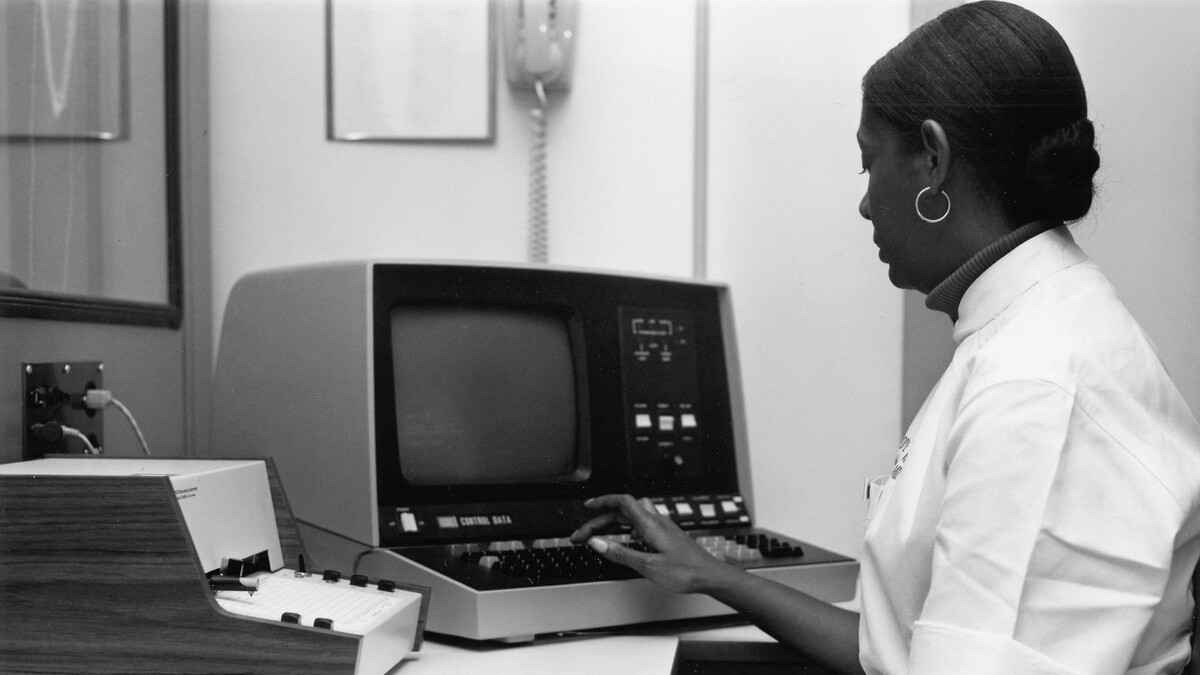
The Role of AT Commands
Before dialing, your computer sent AT commands to the modem to configure it. These commands, short for "attention," told the modem to dial a number, set speaker volume, or enable error correction. The modem responded with "OK" or an error code, establishing a basic communication link.
From Dial Tone to Data
Once dialed, the modem listened for a dial tone, then dialed the ISP's number. The remote modem answered with a tone that identified it as a modem, not a voice line. This was the first step of the handshake.
The Anatomy of the Handshake Sounds
Finnish programmer Oona Räisänen once analyzed the handshake sequence to explain the phases in detail. Her work revealed that the sounds were not random but a structured exchange.
First, the calling modem sent a tone to check if the remote end was a modem. The remote modem replied with a different tone, confirming its identity. Then both modems exchanged capabilities and negotiated the highest possible speed.
Speed Negotiation and Line Probing
During the handshake, modems probed the phone line to assess quality. They sent test signals and measured the response to determine the maximum reliable speed. This is why the same modem might connect at different speeds on different calls.
The negotiation included error correction protocols like V.42 and compression like V.44, which could improve throughput. The final speed was often lower than the modem's maximum rating due to line conditions.
The Final Screech
The last part of the handshake was a high-pitched screech—often the most memorable. This was the modems testing the connection and finalizing parameters. After that, data could flow, and you were online.
Why the Handshake Mattered
The handshake ensured reliable communication over unpredictable phone lines. Without it, data could be corrupted or lost. It also allowed modems from different manufacturers to interoperate, which was crucial for the early internet. Context on how this played out before sits in How Primitive Modems Connected to the Internet: The Noisy Handshake.
For users, the handshake was a gateway: if it failed, you got a busy signal or a "no carrier" error. If it succeeded, you were greeted by the familiar sound of the internet. The background to this story is set out in Science: latest articles. A related thread runs through Ictíneo II: Spain's 1864 Steam Submarine That Made History.
Impact on User Experience
The handshake added a delay of several seconds before you could browse. It also tied up your phone line, making dial-up a one-at-a-time activity. These limitations shaped how people used the internet—briefly and deliberately. Earlier coverage in Ancient Nautical Chart Was Right All Along, Not Wrong shows how the argument developed. A closer look at the same subject appears in Astronomer David Galadí: Why Filming a Solar Eclipse on Your Phone.
Key Takeaways
- The handshake was a negotiation between modems to agree on speed and protocols.
- AT commands configured the modem before dialing.
- Sounds during the handshake corresponded to specific phases of negotiation.
- Line quality determined the final connection speed.
- The handshake enabled interoperability between different modems.
Comparison of Dial-Up Modem Speeds
| Modem Standard | Maximum Speed (kbps) | Year Introduced | Key Features |
|---|---|---|---|
| V.32 | 9.6 | 1984 | Echo cancellation |
| V.32bis | 14.4 | 1991 | Higher speed |
| V.34 | 28.8 | 1994 | Line probing |
| V.90 | 56 | 1998 | Asymmetric |
These speeds were theoretical maximums; actual speeds were often lower due to line conditions and ISP equipment. Anyone following the wider picture can start with Paris Pneumatic Tubes: 427 km of Forgotten Internet Underground. The same theme surfaces in Lanzarote's First City: How 15th-Century Conquerors Survived Water Scarcity, which takes a different angle.
FAQ
What did the handshake sounds actually mean?
The sounds were tones representing different phases of negotiation: identifying the remote modem, probing the line, and agreeing on speed and protocols. Each tone had a specific frequency and duration.
Why did modems make different sounds on different calls?
The handshake varied based on line quality and the capabilities of the remote modem. If the line was noisy, modems might negotiate a lower speed, altering the sound sequence.
Could you skip the handshake?
No, the handshake was necessary to establish a connection. However, you could mute the modem speaker with AT commands to avoid the noise, but the negotiation still occurred.
What was the fastest dial-up speed?
The fastest dial-up standard was V.90, with a maximum download speed of 56 kbps. Upload speeds were typically capped at 33.6 kbps.
The Legacy of the Handshake
The handshake may be gone, but its legacy lives on in modern connection protocols. Today's broadband and Wi-Fi connections also negotiate parameters, though silently. The principles of error correction and speed negotiation remain.
Understanding the handshake gives us an appreciation for the engineering that made the early internet possible—and a nostalgic smile for those who remember the screech.
Browse the Shop
 Acacia frida deluxe solid wood bed frame |
Bedroom bench |
Bed chest drawers |
Lingerie dresser |
Frame base |
Mirror with jewelry storage |
30 Bathroom Vanity |
Memory foam queen mattress |
Mattresses for back pain |
Nightstand set of 2 |
Grand Goldman Shop |
Civil Lawyer
Deutschland Trikot WM 2026







