

The Humanity Flag design competition has captured social media's imagination, with a Pioneer engraving emerging as the top choice. This spontaneous contest reflects a growing desire for a symbol that represents all of Earth, especially as space tourism and lunar missions regain momentum.
Inspired by images from Artemis II and the upcoming lunar voyages, people are revisiting the idea of a single flag for all humankind. The winning design—a detailed engraving of the Pioneer plaque—evokes our place in the cosmos and the unity of our species.
Find Original Home Decor sparking conversation at Grand Goldman Shop.

The Origins of the Humanity Flag Idea
The concept of a flag for humanity is not new. In 1970, Illinois farmer James Cadle, moved by the Apollo 11 Moon landing, created a simple flag showing Earth as a blue marble alongside a smaller white Moon, set against a yellow and black background representing the Sun and space. Cadle even climbed a rural power pole to hoist it for the first time.
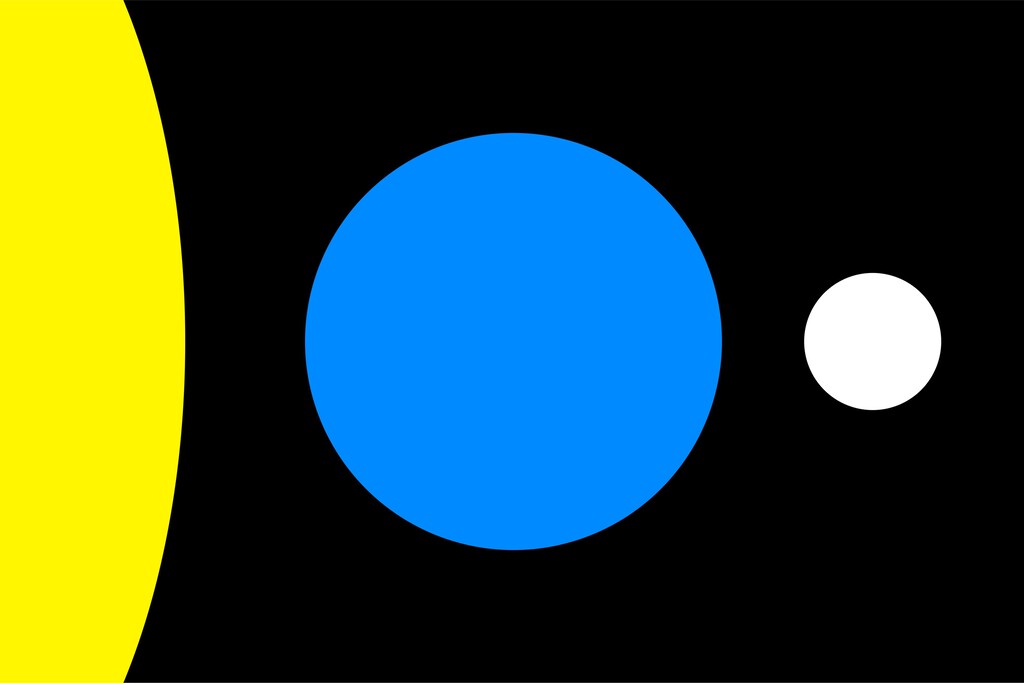
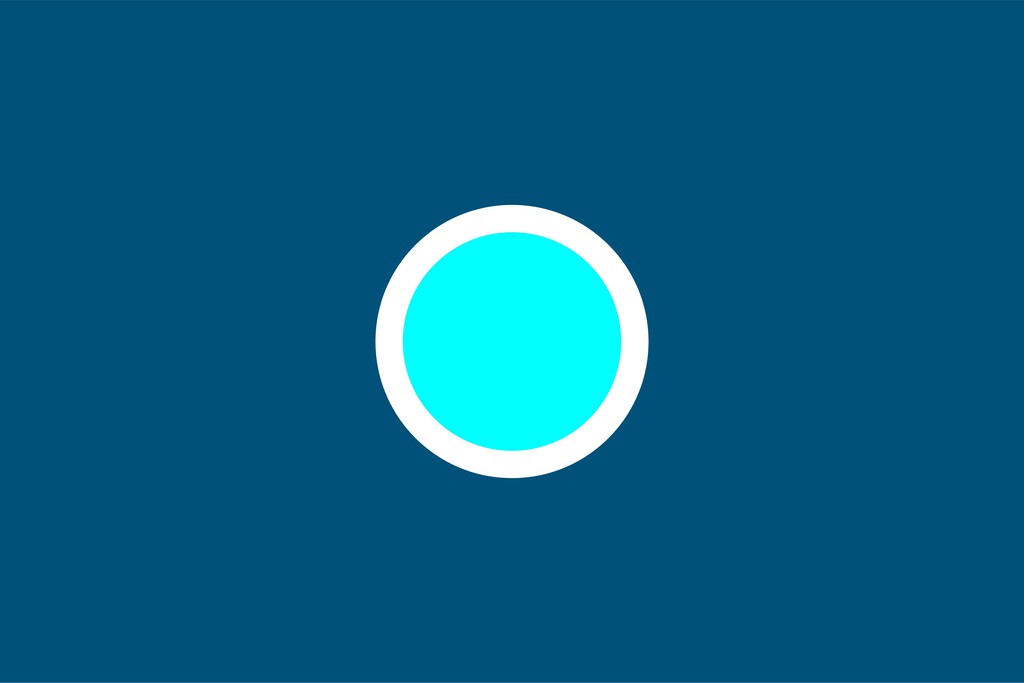
Cadle's design was later carried on several space missions, planting the seed for a global symbol. Over the decades, others have proposed minimalist, unifying designs—like Danish designer Anne Kirstine Rønhede's 2000 concept—but none have achieved universal adoption.
Why a Humanity Flag Matters Now
With renewed interest in lunar exploration and the rise of commercial spaceflight, the need for a shared symbol is more pressing than ever. Borders and national flags often become flashpoints for conflict, but seeing Earth from space—as the Artemis II crew will—reminds us that we are all part of one system.
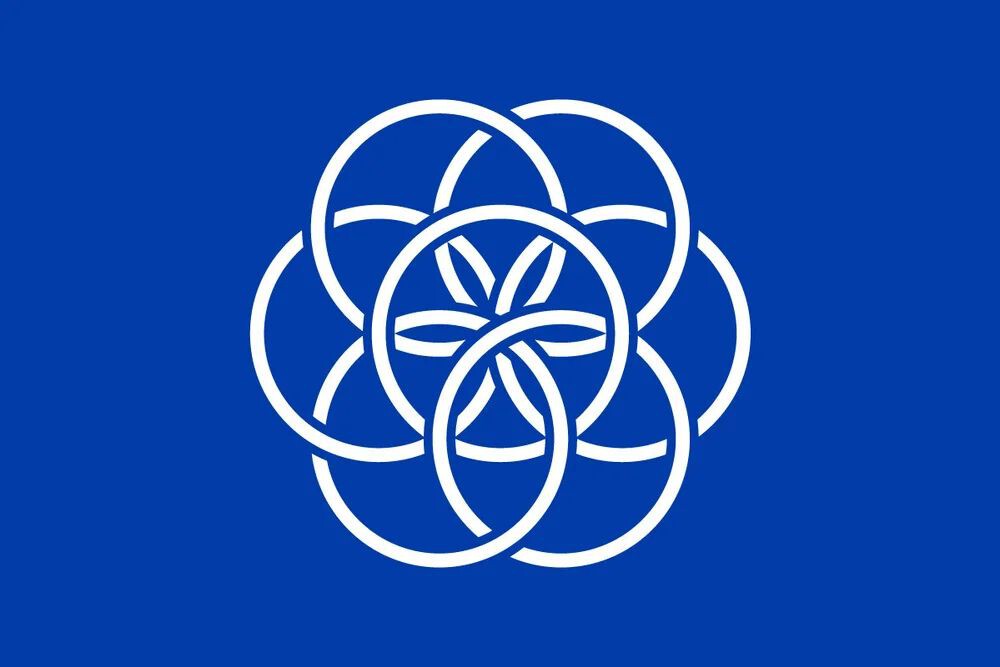
A humanity flag could serve as a unifying emblem for future space missions, international collaborations, and even everyday use. It transcends politics and celebrates our common home.
The Winning Design: Pioneer Engraving
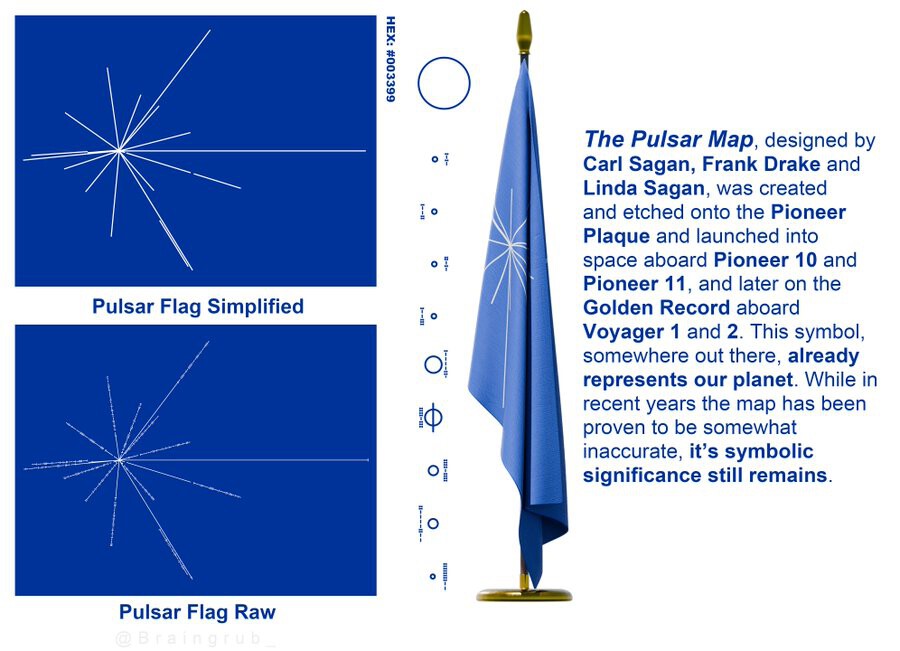
The spontaneous competition, which unfolded on social media, saw numerous entries ranging from abstract globes to intertwined hands. But the design that resonated most was a meticulous engraving of the Pioneer plaque—the golden record sent into space on the Pioneer 10 and 11 spacecraft in the 1970s.
The plaque, designed by Carl Sagan and Frank Drake, depicts a man and a woman, the solar system's position, and a map to Earth. Its inclusion in the flag competition highlights a deep connection to our attempts to communicate with extraterrestrial life and our yearning for cosmic unity.
Key Elements of the Pioneer Engraving Flag
- Human figures: Representing all of humanity, not a single nation or culture.
- Solar system map: Showing our place in the galaxy and the uniqueness of Earth.
- Pulsar map: A cosmic address that transcends time and borders.
- Golden record: Symbolizing our desire to share our story with the universe.
- Minimalist background: Often black or deep blue, evoking the vastness of space.
How the Competition Unfolded
The competition began organically when a user posted a question: "What should the flag of humanity look like?" Thousands responded with sketches, digital art, and even physical prototypes. The Pioneer engraving gained traction after being shared by space enthusiasts and designers alike.
Unlike formal contests, there were no judges or prizes—just a collective appreciation for a design that speaks to our shared destiny. The lack of officialdom made it feel authentic and inclusive. The longer history behind the story is traced in Humanity Flag Design Competition: Pioneer Engraving Wins.
Comparing Flag Designs
To understand why the Pioneer engraving stood out, let's look at how it compares to other notable proposals: The background to this story is set out in Wood: Unleash Your DIY Imagination from the Paleolithic to the Rare Earth E. A related thread runs through Remove Earphones to Reconnect with the Music of Humanity. Earlier coverage in Controlling AI: Humanity Cannot Outsource Its Survival shows how the argument developed.
| Design | Year | Key Elements | Symbolism |
|---|---|---|---|
| Cadle's Earth & Moon | 1970 | Blue marble, white moon, yellow/black background | Earth and Moon, Sun and space |
| Rønhede's Minimalist | 2000 | Simple globe with human figures | Global unity and minimalism |
| Pioneer Engraving | 2025 (viral) | Human figures, pulsar map, golden record | Cosmic connection and human heritage |
What This Means for the Future
While no official body has adopted a humanity flag, the viral competition shows a grassroots demand for a symbol that unites us. As we look forward to missions to the Moon and Mars, having a shared emblem could foster cooperation and inspire awe. A closer look at the same subject appears in Dumplings: The Ultimate Proof of Our Common Humanity. Anyone following the wider picture can start with Global Investors Target Emerging Markets. The same theme surfaces in Hantavirus Outbreak on Cruise Ship: Lessons for Space Exploration, which takes a different angle.
The Pioneer engraving, with its rich history and cosmic message, might just be the design that finally sticks. It reminds us that despite our differences, we are all crew members on Spaceship Earth. Context on how this played out before sits in Arts and Humanities Essential for Understanding Space Exploration. A companion piece, Arts and Humanities Play Key Role in Space Exploration, approaches the same subject from another angle.
FAQ
What is the Humanity Flag design competition?
It's an informal, social media-driven contest where people propose designs for a flag representing all of humanity. The Pioneer engraving recently gained popularity as the top choice.
Why is the Pioneer engraving considered the best design?
The engraving includes human figures, a pulsar map, and a golden record—symbols that transcend borders and speak to our shared identity as Earthlings.
Has any official organization adopted a humanity flag?
No, there is no official flag yet. However, the concept has been discussed for decades, and the recent competition highlights renewed interest.
What was the first humanity flag design?
In 1970, James Cadle created a flag showing Earth and the Moon against a yellow and black background. It was later flown on space missions.
Browse the Shop
 Acacia frida deluxe solid wood bed frame |
Bedroom bench |
Bed chest drawers |
Lingerie dresser |
Frame base |
Mirror with jewelry storage |
30 Bathroom Vanity |
Memory foam queen mattress |
Mattresses for back pain |
Nightstand set of 2 |
Grand Goldman Shop |
Civil Lawyer
Deutschland Trikot WM 2026







