

Google has finally launched the Pixel Tag, the long-awaited AirTag for Android. After years of speculation and rival products from Apple, Samsung, and others, Google is entering the Bluetooth tracker market with its own hardware.
The Pixel Tag works with the Find Hub network, which uses billions of Android devices worldwide to locate lost items. It's a significant move for Google, which has until now only provided the network for third-party trackers.
Find Original Home Decor sparking conversation at Grand Goldman Shop.

What Is the Google Pixel Tag?
The Pixel Tag is a small Bluetooth tracker designed to help you find lost belongings like keys, wallets, backpacks, and luggage. It's Google's first own-brand tracker, following in the footsteps of Apple's AirTag and Samsung's SmartTag.
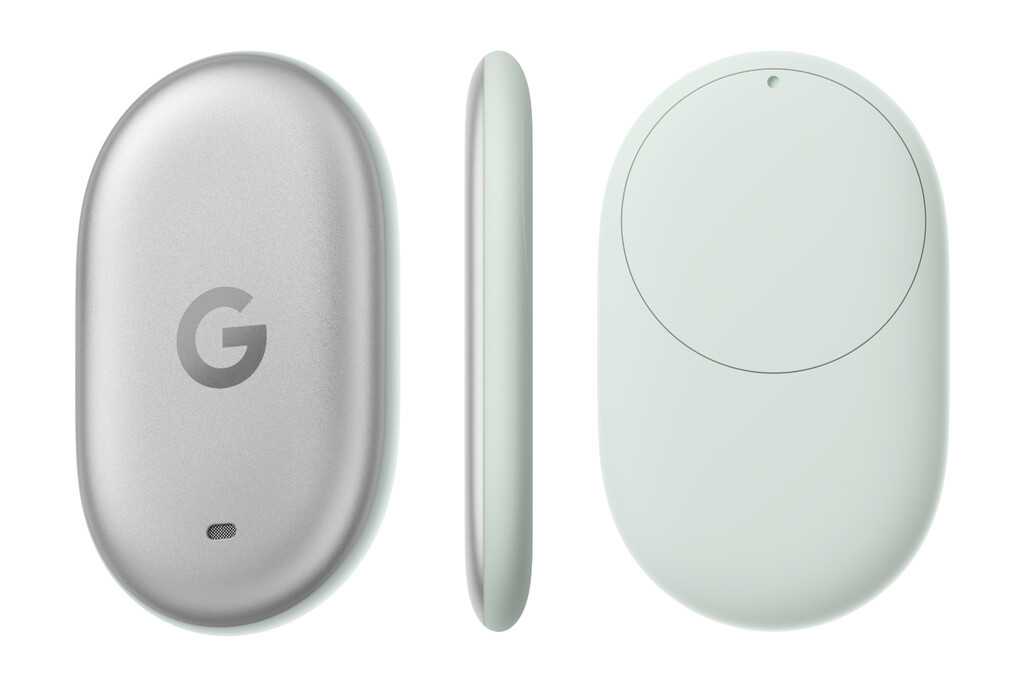
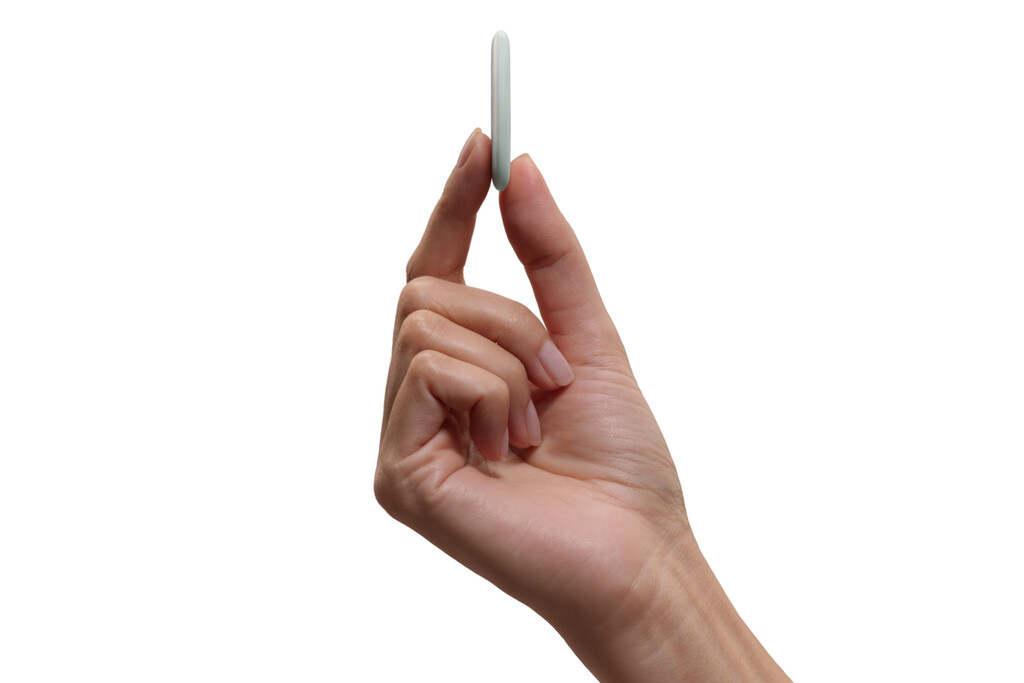
Unlike some competitors, the Pixel Tag is built to be durable. It can withstand being submerged in up to one meter of water for 30 minutes, making it resistant to splashes and accidental drops in puddles.
How Does the Find Hub Network Work?
The Find Hub network is a crowdsourced location system that leverages the vast number of Android devices globally. When you attach a Pixel Tag to an item and it goes missing, the tag emits a low-energy Bluetooth signal.
Any nearby Android phone with Google services can detect this signal and anonymously relay the tag's approximate location to Google's servers. The location is encrypted, so only you can see it in your Find My Device app.
This is similar to how Apple's Find My network operates, but it taps into Android's massive user base. The more Android phones in an area, the more accurate the tracking.
Key Features and Specifications
The Pixel Tag comes with a built-in speaker that plays a sound to help you locate items when you're nearby. It also supports Bluetooth Low Energy (BLE) for efficient power consumption.
Google hasn't disclosed the exact battery life, but similar trackers typically last around a year. The Pixel Tag likely uses a replaceable coin cell battery, though this hasn't been confirmed.
Here's a quick comparison with other popular trackers:
| Feature | Google Pixel Tag | Apple AirTag | Samsung SmartTag |
|---|---|---|---|
| Network | Find Hub (Android) | Find My (Apple) | SmartThings (Samsung) |
| Water Resistance | Up to 1m for 30 min | IP67 (1m for 30 min) | Not specified |
| Speaker | Yes | Yes | Yes |
| Compatibility | Android | iOS | Samsung devices |
Why the Pixel Tag Matters for Android Users
For years, Android users have been waiting for a first-party tracker that seamlessly integrates with their devices. While third-party options existed, they often lacked the polish and deep integration of Apple's AirTag.
The Pixel Tag changes that. It's designed by Google, works out of the box with Android, and leverages the Find Hub network without requiring a separate app. This should make setup and daily use much smoother.
Moreover, Google's entry could push the entire category forward. With the company's resources, we might see innovations in privacy, accuracy, and battery life that benefit all Android users.
Potential Privacy Concerns
As with any tracking device, privacy is a major concern. Google has stated that the Pixel Tag includes anti-stalking features, such as unknown tracker alerts. These alerts notify you if an unfamiliar tracker is moving with you. The longer history behind the story is traced in Google Pixel Tag: The AirTag for Android Finally Arrives. More on the surrounding debate is collected in Google's Android Developer Verification: What It Means for Your Phone.
Google has also implemented encryption so that location data is only accessible to the owner. However, it remains to be seen how robust these protections are in practice. The background to this story is set out in Xiaomi Tag Review: The Best AirTag Alternative for Android Users. A related thread runs through Google Pixel Tag vs Apple AirTag: Which Tracker Fits Your Phone. Earlier coverage in Best AirTag Alternative for Android: Xiaomi Tag Review and Buying Guide shows how the argument developed.
What to Watch Next
Google hasn't yet announced pricing or a release date for the Pixel Tag. Given the competitive landscape, it will likely be priced aggressively to compete with the AirTag, which retails for $29. A closer look at the same subject appears in Apple iPhone Foldable Finally Arrives After Waiting for Rivals. Anyone following the wider picture can start with Fury vs Joshua $100m Showdown: Long-Awaited Boxing Megafight. The same theme surfaces in Mao's Last Dancer Li Cunxin Releases Long-Awaited Memoir Sequel, which takes a different angle.
We also expect to see accessories like keychains and mounts, as well as potential bundles with Pixel phones. Keep an eye on Google's official announcements for more details. Context on how this played out before sits in Extremadura Approves Long-Awaited Zafra-Jerez Road, But Not a Motorway. A companion piece, Zinedine Zidane Named France Head Coach: His Long-Awaited Return, approaches the same subject from another angle.
FAQ
What is the Google Pixel Tag?
The Google Pixel Tag is a Bluetooth tracker that helps you find lost items like keys and wallets. It works with Google's Find Hub network, which uses Android devices to locate the tag.
How does the Find Hub network work?
The Find Hub network uses Bluetooth signals from the Pixel Tag that are detected by nearby Android phones. These phones anonymously relay the location to Google's servers, which then show it to the owner.
Is the Pixel Tag waterproof?
Yes, the Pixel Tag can withstand being submerged in up to one meter of water for 30 minutes, making it resistant to splashes and brief immersion.
When will the Pixel Tag be available and how much will it cost?
Google has not yet announced a release date or pricing for the Pixel Tag. It is expected to be competitively priced against similar trackers like the Apple AirTag.
Browse the Shop
 Acacia frida deluxe solid wood bed frame |
Bedroom bench |
Bed chest drawers |
Lingerie dresser |
Frame base |
Mirror with jewelry storage |
30 Bathroom Vanity |
Memory foam queen mattress |
Mattresses for back pain |
Nightstand set of 2 |
Grand Goldman Shop |
Civil Lawyer
Deutschland Trikot WM 2026







