Google has finally unveiled its long-rumored Android-powered laptops, dubbed Googlebook, after 15 years of trying to make Android more than just a mobile platform. The new line, produced in partnership with Acer, Asus, Dell, HP, and Lenovo, aims to bring the seamless ecosystem experience of Apple's MacBook and iPhone to Android users. But with a premium price tag, many are wondering: is this the laptop anyone actually needed?
The Evolution from ChromeOS to Googlebook OS
Google's journey to the Googlebook has been a winding one. In 2011, the company launched ChromeOS, a browser-centric operating system that later incorporated Android apps and Linux support. While Chromebooks found success in education and budget markets, they never fully replaced traditional laptops for power users.
Find Original, High-end Home Decor that spark conversation at Grand Goldman Shop.
With Googlebook, Google flips the script: instead of embedding Android into ChromeOS, it has built a new platform called Googlebook OS based on Android but optimized for keyboard, mouse, and large screens. This approach leverages the vast Android app ecosystem while providing a desktop-class experience.
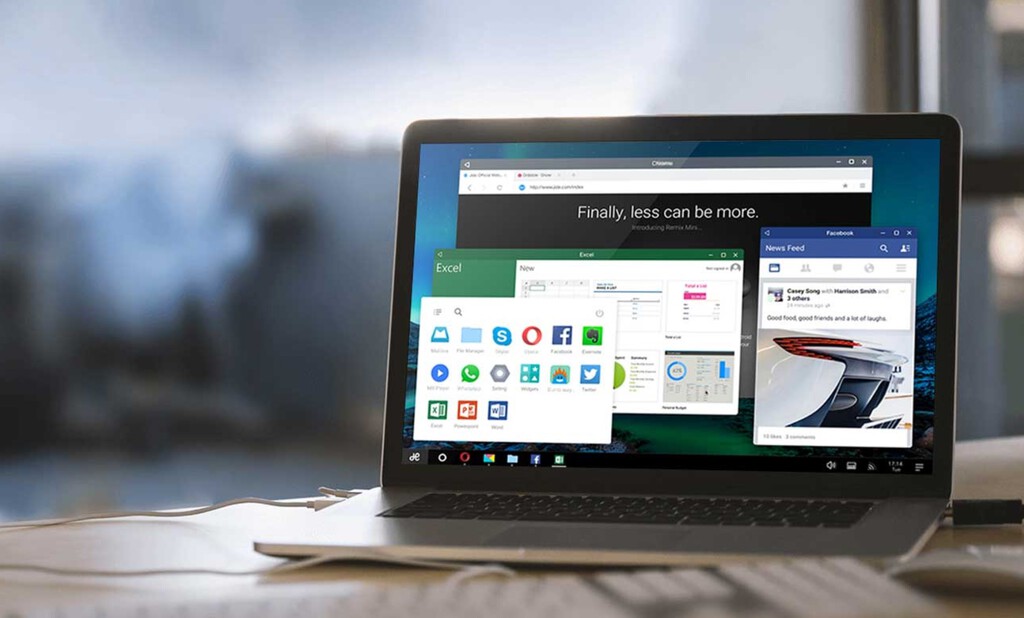
Key Features and Ecosystem Integration
The Googlebook aims to replicate the tight integration between iPhone and Mac. Android users can expect seamless syncing of notifications, messages, and files across devices. The OS also supports multi-window multitasking, a full desktop browser, and access to millions of Android apps via the Play Store.
According to Google, the Googlebook is designed for productivity and entertainment, with a focus on what MacBook does for iPhone users. However, the company has not yet detailed specific hardware specs or performance benchmarks.
Pricing and Availability
The biggest hurdle for Googlebook may be its price. While exact figures were not disclosed in the announcement, early indications suggest these laptops will be positioned in the premium segment, competing directly with high-end Windows ultrabooks and MacBooks. That could be a tough sell for consumers accustomed to affordable Chromebooks.
Google has not announced a release date, but the involvement of five major manufacturers signals a broad launch. The devices are expected to hit shelves in the coming months, though no official timeline has been confirmed.
How Googlebook Compares to Traditional Laptops
To understand where Googlebook fits, here's a quick comparison with other laptop platforms:
| Feature | Googlebook (Android) | Chromebook (ChromeOS) | Windows Laptop | MacBook (macOS) |
|---|---|---|---|---|
| App Ecosystem | Android Play Store | Chrome Web Store + Android apps | Windows Store + legacy apps | Mac App Store |
| Ecosystem Integration | Deep with Android phones | Moderate with Android | Limited with Android | Deep with iPhone |
| Target Audience | Android power users | Students, budget buyers | General productivity | Creative professionals |
| Price Range | Premium (expected) | Budget to mid-range | Mid-range to high-end | High-end |
What This Means for the Laptop Market
Google's move could disrupt the laptop market by offering a true alternative for Android loyalists. However, the premium pricing may limit its appeal, especially in a crowded field where Windows laptops dominate and MacBooks hold strong in creative fields. The background to this story is set out in Googlebook Laptops: Android Integration Takes on MacBook Neo. A related thread runs through Googlebook Review: Google's Premium Laptops Are Underbaked. Earlier coverage in Lenovo Googlebook 15: OLED Laptop with AI and ChromeOS shows how the argument developed.
For Google, the Googlebook represents a strategic bet that Android can scale beyond phones. If successful, it could create a new category of devices that blur the line between mobile and desktop. But if consumers balk at the price, it may become another niche product. A closer look at the same subject appears in Everything You Need to Know about Mobile Homes: An Innovative and Sustainable Solution. Anyone following the wider picture can start with Wood Finishing Guide: Everything You Need to Know. The same theme surfaces in MDF: Everything You Need to Know About This Material!, which takes a different angle.
What to Watch Next
Keep an eye on official pricing and availability announcements, as well as early reviews of performance and battery life. Also, watch how developers adapt their Android apps for the larger screen and desktop environment. Google's track record with new platforms is mixed, but the Googlebook has the potential to finally deliver on the promise of a unified Android experience. Context on how this played out before sits in Wafcon 2026: Everything You Need to Know About the Tournament. A companion piece, Steam Machine: Valve's New Console Everything You Need to Know, approaches the same subject from another angle.
- Googlebook runs Googlebook OS, based on Android but optimized for desktop use.
- Five major manufacturers are on board: Acer, Asus, Dell, HP, and Lenovo.
- Pricing is expected to be premium, competing with high-end Windows and Mac laptops.
- Seamless integration with Android phones is a key selling point.
- No release date has been announced yet.
FAQ
What is a Googlebook?
A Googlebook is a new category of laptop that runs Googlebook OS, an Android-based operating system designed for keyboard and mouse use. It aims to provide a desktop-like experience with access to Android apps.
How is Googlebook different from a Chromebook?
Chromebooks run ChromeOS, which is browser-centric and supports Android apps. Googlebook OS is built on Android itself, offering deeper integration with Android phones and a more traditional desktop interface.
When will Googlebook laptops be available?
Google has not announced a release date, but with five manufacturers involved, a launch is expected in the near future. Pricing and availability details are still pending.
Will Googlebook run all Android apps?
Yes, Googlebook is expected to support the Google Play Store, giving users access to millions of Android apps. However, some apps may need optimization for the larger screen and desktop environment.
Browse the Shop
 Acacia frida deluxe solid wood bed frame |
Bedroom bench |
Bed chest drawers |
Lingerie dresser |
Frame base |
Mirror with jewelry storage |
30 Bathroom Vanity |
Memory foam queen mattress |
Mattresses for back pain |
Nightstand set of 2 |
Grand Goldman Shop |
Civil Lawyer
Deutschland Trikot WM 2026