

Huawei has just unveiled the MateBook Pro S, an ultra-light laptop that weighs only 798 grams and runs on Huawei's own Kirin XE90 processor and HarmonyOS 6.1—no Windows in sight. This is the machine China has been waiting for since US sanctions cut Huawei off from American technology five years ago.
The MateBook Pro S is a statement of self-reliance. With a 14.2-inch all-metal chassis that measures just 11.9 mm thick, it undercuts the 13-inch MacBook Air by 432 grams while offering a larger screen. Huawei achieved this with a magnesium-lithium alloy that it claims is 25% lighter than conventional magnesium.
Find Original Home Decor sparking conversation at Grand Goldman Shop.

Huawei MateBook Pro S: Design and Build
The MateBook Pro S is not just light—it's remarkably thin. At 11.9 mm, it slips into a bag almost unnoticed. The all-metal body feels premium, and the 14.2-inch display gives you more screen real estate than a 13-inch MacBook Air while weighing significantly less.
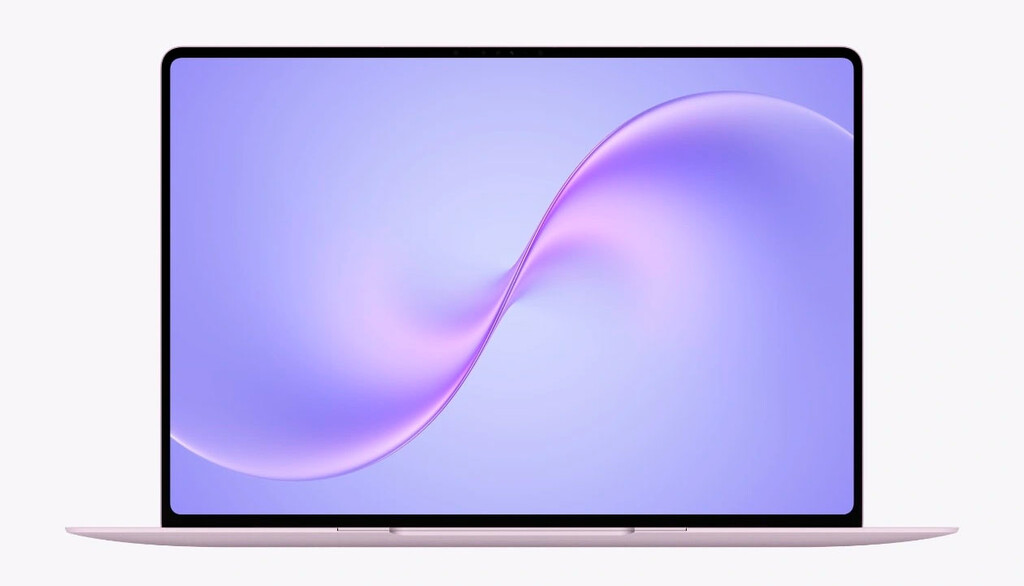
Compared to last year's MateBook X Pro, which already impressed with its portability, the Pro S sheds nearly 200 grams. That's a huge difference when you're carrying it all day. The magnesium-lithium alloy is the key: it's stronger and lighter than standard magnesium, allowing Huawei to trim weight without sacrificing rigidity.
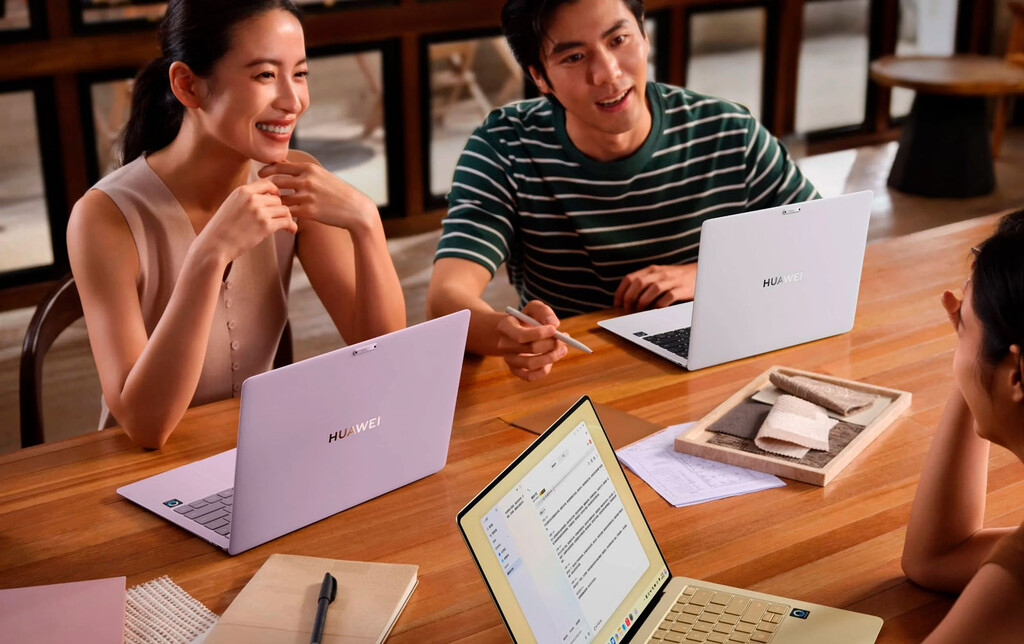
Key specifications at a glance
| Feature | Huawei MateBook Pro S | 13-inch MacBook Air (M2) | Huawei MateBook X Pro (2024) |
|---|---|---|---|
| Weight | 798 g | 1,240 g | ~1,000 g |
| Thickness | 11.9 mm | 11.3 mm | ~13.5 mm |
| Display size | 14.2 inches | 13.6 inches | 14.2 inches |
| Processor | Kirin XE90 (ARM) | Apple M2 | Intel Core Ultra |
| Operating system | HarmonyOS 6.1 | macOS | Windows 11 |
The Kirin XE90: Huawei's Own PC Chip
The heart of the MateBook Pro S is the Kirin XE90, a system-on-chip designed by HiSilicon, Huawei's semiconductor arm. It's an ARM-based processor built for computers, and Huawei claims a 23% improvement in single-core performance, 25% better efficiency, and a 40% boost in NPU performance compared to the previous Kirin X90.
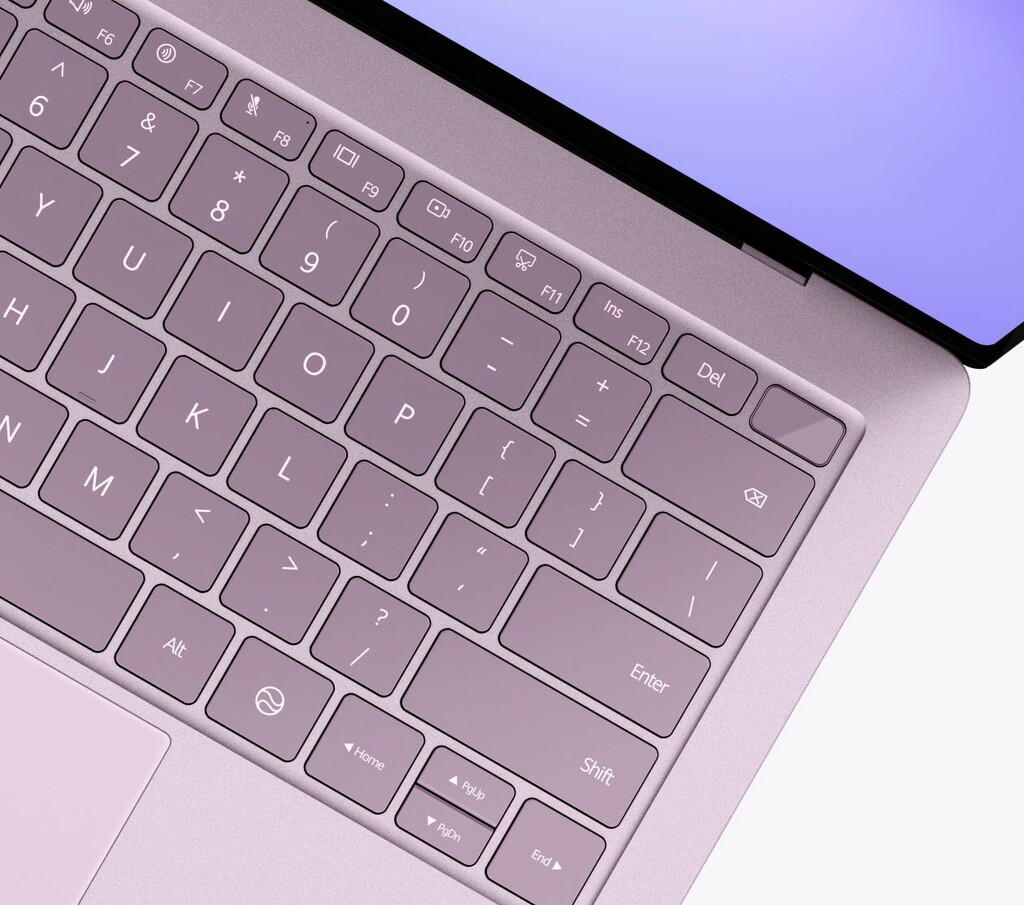
These gains matter because they show Huawei is closing the gap with established players. The chip is presumably fabricated by SMIC, China's leading foundry, with a maximum power draw of 28 watts according to Huawei. That's modest compared to high-performance laptops, but it's enough for everyday productivity and media consumption.
The Kirin XE90 represents a milestone: a Chinese-designed and likely Chinese-made PC processor that can power a premium laptop. It's a direct result of the US entity list that forced Huawei to develop its own silicon.
HarmonyOS 6.1: Ditching Windows
Perhaps the most significant aspect of the MateBook Pro S is its operating system. It ships with HarmonyOS 6.1, the latest stable version of Huawei's in-house OS. This means no Windows, no Intel, and no reliance on US software or hardware.
HarmonyOS is already used on Huawei's phones and tablets, and it's designed to work seamlessly across devices. For laptop users, it offers a familiar desktop experience with support for productivity apps, though the ecosystem is still growing. The move to HarmonyOS on PCs is a bold step that signals Huawei's intent to create a fully independent tech ecosystem.
For Chinese consumers, this is a point of pride. For the rest of the world, it's a glimpse of a future where tech supply chains are fractured along geopolitical lines.
Why This Laptop Matters
The MateBook Pro S is more than just a lightweight notebook. It's proof that Huawei can survive and even innovate under pressure. Since the US banned American companies from selling technology to Huawei in 2019, the company has been forced to develop alternatives for everything from chips to operating systems. The longer history behind the story is traced in HarmonyOS 7: Huawei Takes On Siri With 2,000 AI Agents.
The result is a laptop that is entirely independent of US technology. That's a remarkable achievement in just five years. It also puts pressure on Western companies: if Huawei can build a competitive ARM-based laptop with its own OS, others might follow. Context on how this played out before sits in Huawei MateBook Pro S: 798g, Kirin XE90 and No Windows. A companion piece, LG Gram Pro 2026: Lightweight Laptop with Local AI Power, approaches the same subject from another angle.
- Ultra-light design: 798 grams and 11.9 mm thin, lighter than a MacBook Air.
- Self-developed chip: Kirin XE90 with 23% faster single-core and 40% better NPU.
- HarmonyOS 6.1: No Windows, full Huawei ecosystem integration.
- Symbol of independence: A direct response to US sanctions.
- China-only (for now): Likely limited to the domestic market initially.
What to Watch Next
The big question is whether the MateBook Pro S will be sold outside China. Given the ongoing sanctions, it's unlikely to arrive in the US or Europe anytime soon. But its success in China could influence other manufacturers to explore ARM-based laptops with alternative operating systems. The background to this story is set out in Technology: latest articles. A related thread runs through Huawei Mate XT2: Triple-Screen Foldable With Kirin 9050 Pro.
Also, watch for performance benchmarks. Huawei's claims are impressive, but real-world tests will show how the Kirin XE90 stacks up against Apple's M-series or Intel's latest. If it delivers, it could be a game-changer for the industry. Earlier coverage in POCO F9 Pro and Ultra: The End of Budget Flagship Phones shows how the argument developed. A closer look at the same subject appears in Huawei Watch GT 7 and GT 7 Pro: A Sports-Focused Smartwatch Lineup.
For now, the MateBook Pro S stands as a testament to Huawei's resilience and engineering prowess. It's the laptop China wanted for years, and it's finally here. Anyone following the wider picture can start with MacBook Neo Price Drop: Now Just 729 Euros, Close to Original. The same theme surfaces in MacBook Pro M5 vs Touchscreen Model: Which Apple Laptop Wins, which takes a different angle.
FAQ
What is the Huawei MateBook Pro S?
The Huawei MateBook Pro S is an ultra-light laptop announced by Huawei, featuring a 14.2-inch display, a magnesium-lithium alloy body weighing just 798 grams, and Huawei's own Kirin XE90 processor running HarmonyOS 6.1.
Does the MateBook Pro S run Windows?
No, the MateBook Pro S runs HarmonyOS 6.1, Huawei's proprietary operating system. It does not support Windows, which is a direct result of US sanctions that prevent Huawei from using American software.
How does the Kirin XE90 compare to other laptop chips?
Huawei claims the Kirin XE90 offers a 23% improvement in single-core performance and 25% better efficiency over the previous Kirin X90. However, independent benchmarks are needed to compare it directly with Apple's M-series or Intel's processors.
Will the MateBook Pro S be available outside China?
Huawei has not announced global availability. Given the ongoing US sanctions, it is unlikely to be sold in the US or Europe in the near future. It will likely remain a China-only product for now.
Browse the Shop
 Acacia frida deluxe solid wood bed frame |
Bedroom bench |
Bed chest drawers |
Lingerie dresser |
Frame base |
Mirror with jewelry storage |
30 Bathroom Vanity |
Memory foam queen mattress |
Mattresses for back pain |
Nightstand set of 2 |
Grand Goldman Shop |
Civil Lawyer
Deutschland Trikot WM 2026







