

The RAM crisis has escalated into a full-blown component shortage, and now SD card prices are skyrocketing. Sony has indefinitely suspended orders for most of its CFexpress Type A, Type B, and SD card lines, a drastic move that underscores the severity of the situation.
This isn't just about memory chips anymore. The voracious appetite of data centers has driven up RAM prices, and the same is happening with NAND storage (and thus SSDs). Now, even batteries are under threat. Consumer electronics manufacturers are scrambling to avoid absorbing the price hikes caused by this supply-demand imbalance.
Find Original Home Decor sparking conversation at Grand Goldman Shop.

What's Behind the RAM Crisis and SD Card Price Surge?
The root cause is the relentless demand from data centers for memory and storage. As cloud computing and AI workloads explode, manufacturers are prioritizing high-margin server components over consumer-grade parts. This has led to shortages of RAM and NAND flash, the latter being the key component in SSDs and SD cards.
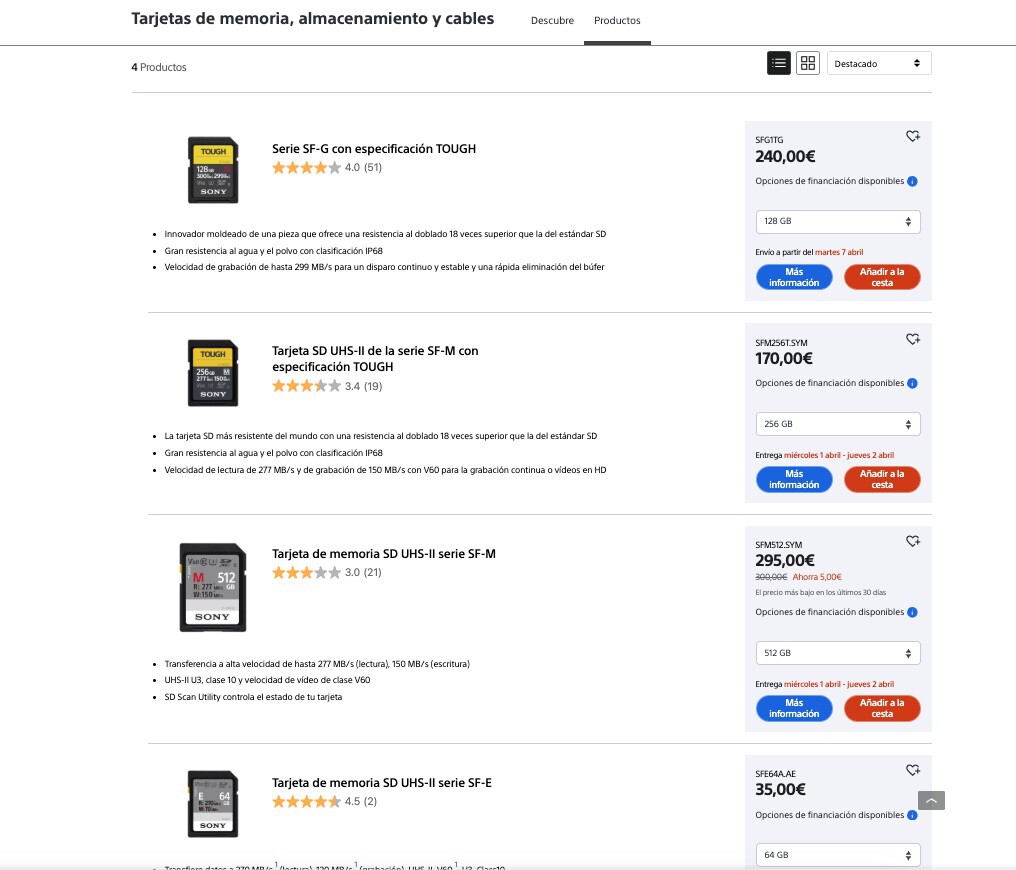
For consumers, the impact is direct: building a PC, buying a smartphone, or even picking up a Nintendo Switch game card is more expensive than it was a couple of years ago. The component shortage is no longer a distant problem—it's hitting everyday purchases.
Sony's decision to halt orders for its storage cards is a clear signal that the situation is dire. The company has suspended orders for almost its entire line of CFexpress and SD cards, affecting both authorized distributors and direct buyers from the Sony Store. This move is likely aimed at managing limited inventory and avoiding further price volatility.
Sony's Drastic Measures: PS5 Price Hike and SD Card Order Suspension
Just days ago, Sony delivered a double blow to consumers. First, it announced that the PlayStation 5 would see a €100 price increase in April, dashing hopes that the console would become cheaper over time. This is a direct consequence of the component crisis, as the console relies on NAND storage and RAM.
Second, Sony Japan announced it would stop selling storage cards altogether. This isn't just a temporary hiccup; it's an indefinite suspension. For photographers, gamers, and Raspberry Pi enthusiasts who rely on SD cards, this is a major disruption. The Raspberry Pi itself has also seen price hikes due to the component crisis.
If you've tried to buy a memory card in recent months, you've likely noticed the steep price increases. These small devices, used for everything from photography to gaming, have become significantly more expensive. Sony's move to suspend orders takes this a step further, potentially creating even more scarcity.
How the Component Crisis Affects Gamers and Tech Enthusiasts
Gamers are feeling the pinch from multiple angles. The PS5 price hike means getting into next-gen gaming is now more costly. Meanwhile, the storage expansion options for consoles and PCs are dwindling as SD card and SSD prices climb.
For PC builders, the RAM crisis means that what used to be a budget-friendly upgrade is now a significant investment. The same goes for SSDs, which are essential for fast load times and smooth gameplay. The Raspberry Pi community, often reliant on SD cards for storage, is also hit hard.
Beyond gaming, professionals who depend on CFexpress cards for high-speed photography and videography are facing limited availability and higher costs. Sony's suspension of orders affects not just consumers but also the supply chain for these professionals.
What to Watch Next in the RAM and NAND Shortage
The key question is how long this shortage will last. Data center demand shows no signs of slowing, and manufacturers are investing in new fabrication plants, but these take years to come online. In the meantime, consumers can expect continued high prices and potential availability issues. The background to this story is set out in Nvidia Secures SK Hynix RAM Deal as Memory Crisis Deepens. A related thread runs through Car Prices Surge: The RAM Shortage Crisis Explained. Earlier coverage in RAM Crisis 2026: Samsung's Record Quarter as Memory Demand Soars shows how the argument developed.
Other manufacturers may follow Sony's lead in restricting orders or adjusting product lines. We're already seeing price increases across the board, and the situation could worsen before it improves. Keeping an eye on announcements from major players like Samsung, Micron, and SK Hynix will be crucial. A closer look at the same subject appears in The RAM and NAND Crisis Is Killing the Cheap Smartphone. Anyone following the wider picture can start with RAM Crisis Drives Apple, Microsoft, Valve Price Hikes. The same theme surfaces in Microsoft Windows Memory Optimization: Slimming Down for a RAM Crisis, which takes a different angle.
For now, if you need storage or RAM, it's wise to buy sooner rather than later. Prices are unlikely to drop significantly in the near term, and availability may become more constrained. Context on how this played out before sits in Apple RAM Crisis: iPad and Mac Prices Jump 20% on Average. A companion piece, The Celebrity Traitors: Has Richard E Grant Blown, approaches the same subject from another angle.
Key Takeaways for Consumers
- RAM and NAND shortages are driving up prices for consumer electronics, from PCs to consoles.
- Sony has suspended orders for CFexpress and SD cards, affecting availability.
- PS5 price increase of €100 in April is a direct result of the component crisis.
- SD card prices have risen sharply, impacting photographers, gamers, and DIY enthusiasts.
- Data center demand is the primary driver, with no quick fix in sight.
Comparing the Impact: RAM vs. NAND vs. SD Cards
| Component | Primary Use | Price Trend | Availability |
|---|---|---|---|
| RAM | PCs, servers, smartphones | Up significantly | Constrained |
| NAND (SSDs) | Storage in PCs, consoles | Up significantly | Constrained |
| SD Cards | Cameras, gaming, Raspberry Pi | Up sharply | Very limited (Sony suspended orders) |
| Batteries | Mobile devices, EVs | Rising | Under threat |
FAQ
Why is Sony suspending SD card orders?
Sony is suspending orders for its CFexpress and SD cards due to the ongoing component shortage, particularly in NAND flash memory. The company aims to manage limited inventory and avoid further price volatility as data center demand continues to strain supply.
How much have SD card prices increased?
Prices for SD cards have risen sharply in recent months, though exact figures vary by model and capacity. The increase is a direct result of the NAND shortage, which has also driven up SSD prices. Consumers can expect to pay significantly more than they did a year ago.
Will the RAM crisis affect other devices?
Yes, the RAM crisis is already affecting a wide range of devices, including PCs, smartphones, and consoles. The PS5 price hike is one example. Additionally, the shortage of NAND flash is impacting SSDs and SD cards, and there are concerns about battery supplies as well.
What can consumers do to cope with the shortage?
Consumers should consider purchasing necessary components like RAM, SSDs, and SD cards sooner rather than later, as prices are unlikely to drop in the near term. Staying informed about manufacturer announcements and exploring alternative brands or storage solutions can also help mitigate the impact.
Browse the Shop
 Acacia frida deluxe solid wood bed frame |
Bedroom bench |
Bed chest drawers |
Lingerie dresser |
Frame base |
Mirror with jewelry storage |
30 Bathroom Vanity |
Memory foam queen mattress |
Mattresses for back pain |
Nightstand set of 2 |
Grand Goldman Shop |
Civil Lawyer
Deutschland Trikot WM 2026







