

The RAM crisis that began with memory and SSDs has now spread across all consumer technology, and according to Samsung, prices won't stabilize until 2028. If you were hoping for relief soon, the outlook is grim: prices are expected to double again this fall and continue climbing until at least 2028.
We first reported on this crisis when it was confined to memory and storage. Now, it's affecting everything from smartphones to consoles, and the culprits are the long-term agreements that major tech companies signed with memory manufacturers.
Find Original Home Decor sparking conversation at Grand Goldman Shop.

What Caused the RAM Crisis?
The current RAM crisis stems from a combination of factors, but the most significant is the five-year agreements between memory producers like Samsung, SK Hynix, and Micron and large tech companies. These agreements locked in supply and prices, but when demand surged unexpectedly, the market couldn't adjust.
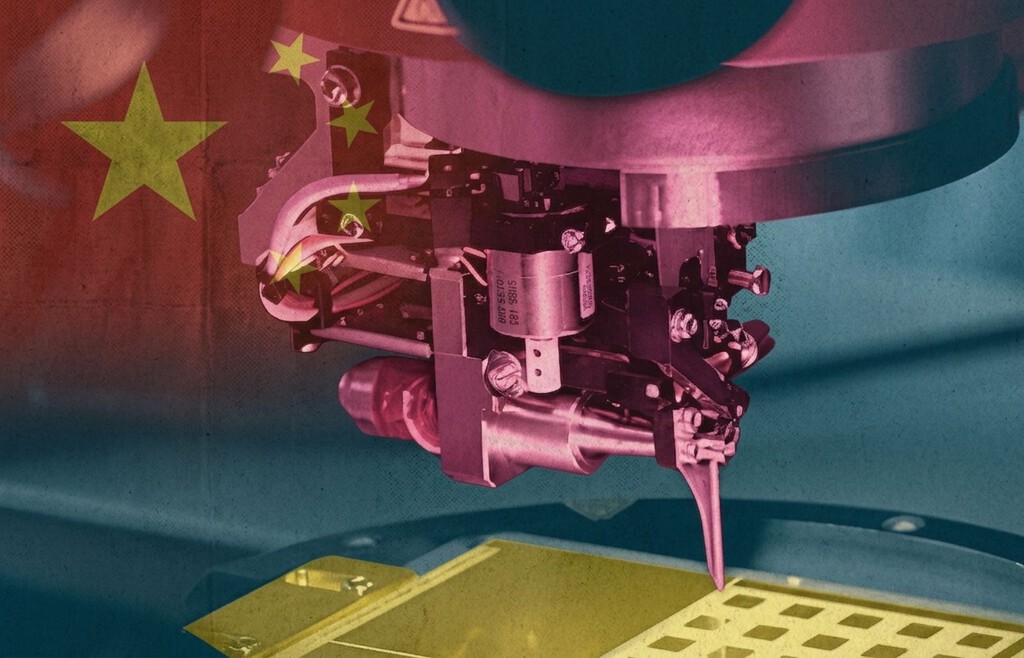
As a result, the supply of RAM and other components became severely constrained, leading to skyrocketing prices. The situation was exacerbated by the pandemic-driven surge in demand for electronics and subsequent supply chain disruptions.
Why Five-Year Agreements Are to Blame
The five-year agreements were designed to provide stability, but they've had the opposite effect. By locking in supply and prices, these agreements prevented the market from responding to sudden changes in demand. When demand for electronics soared during the pandemic, memory manufacturers couldn't increase production quickly enough because they were bound by these long-term contracts.
Moreover, the agreements often include clauses that allow buyers to purchase additional quantities at predetermined prices, which further strained supply. This created a perfect storm: high demand, limited supply, and rigid contracts that prevented flexibility.
When Will the RAM Crisis End?
Samsung, one of the world's largest memory manufacturers, has indicated that things will start to normalize by 2028. However, this comes with a huge asterisk: prices are not expected to return to previous levels. Instead, they may stabilize at a higher point, meaning consumers will continue to pay more for memory and devices.
The most pessimistic forecasts suggest the market could be strangled until beyond 2030, while optimists hoped for improvement in 2027. Those predictions are now being revised, and the consensus is that the crisis will persist for several more years. The background to this story is set out in Apple RAM Crisis: iPad and Mac Prices Jump 20% on Average.
- RAM prices are expected to double again in the fall and continue rising until 2028.
- Five-year agreements between memory makers and tech giants are a primary cause of the shortage.
- Samsung predicts normalization by 2028, but prices will remain high.
- The crisis has expanded from RAM and SSDs to all consumer electronics.
- Consumers should expect to pay a premium for devices for years to come.
How the Crisis Affects Consumers and Businesses
For consumers, the RAM crisis means higher prices for PCs, smartphones, and consoles. It also means that repairing or upgrading existing devices is becoming more expensive, as components are scarce and costly. The longer history behind the story is traced in Lenovo Warns RAM Prices Won't Return to Last Year's Lows. More on the surrounding debate is collected in Memory Prices to Soar 40-50% in Q3 2026, Experts Warn.
Businesses that rely on technology are also feeling the pinch. From data centers to office equipment, the increased costs are being passed down to customers. Small businesses and startups may struggle to afford the technology they need to compete. The background to this story is set out in 2026 RAM Crisis: Is a High-End Smartphone Still Worth Buying. A related thread runs through Amazon Raises Prices on Kindle, Echo, and Fire TV Due to RAM Crisis. Earlier coverage in AI Data Centers Drive PC Component Prices to New Highs in 2026 shows how the argument developed.
| Component | Price Increase (2024-2028) | Availability |
|---|---|---|
| RAM (DDR4/DDR5) | +150% | Low |
| SSDs | +120% | Moderate |
| GPUs | +80% | Low |
| Smartphones | +50% | Moderate |
What to Watch Next
Keep an eye on announcements from Samsung, SK Hynix, and Micron regarding production capacity and contract renewals. Any sign that they are increasing production or renegotiating agreements could indicate relief. A closer look at the same subject appears in RAMageddon: AI Memory Shortage Hikes iPhone Prices by £100. Anyone following the wider picture can start with Google VP Warns Memory Price Surge Could Raise Pixel 11 Costs. The same theme surfaces in RAM Crisis Makes New Hardware Costly, But Prebuilt PCs Still Offer Great, which takes a different angle.
Also, watch for new technologies that could alleviate the shortage, such as alternative memory types or more efficient manufacturing processes. However, these are unlikely to have a significant impact before 2028. Context on how this played out before sits in Car Prices Surge: The RAM Shortage Crisis Explained. A companion piece, Drawer that Replaces the Computer Case and Stores All Your Hardware Components, approaches the same subject from another angle.
FAQ
When will RAM prices go down?
According to Samsung, prices will start to normalize by 2028, but they are not expected to return to previous levels. Instead, they may stabilize at a higher point.
Why are five-year agreements causing the RAM crisis?
These agreements lock in supply and prices, preventing memory manufacturers from responding to sudden changes in demand. When demand surged, they couldn't increase production quickly enough.
Is the RAM crisis affecting other components?
Yes, the crisis has expanded from RAM and SSDs to other components like GPUs and even smartphones, as the shortage of memory affects all devices that use it.
What can consumers do to cope with the RAM crisis?
Consumers should consider upgrading existing devices rather than buying new ones, and keep an eye out for deals. However, given the shortage, prices are likely to remain high for the foreseeable future.
Browse the Shop
 Acacia frida deluxe solid wood bed frame |
Bedroom bench |
Bed chest drawers |
Lingerie dresser |
Frame base |
Mirror with jewelry storage |
30 Bathroom Vanity |
Memory foam queen mattress |
Mattresses for back pain |
Nightstand set of 2 |
Grand Goldman Shop |
Civil Lawyer
Deutschland Trikot WM 2026







