

The Walkman revival is real. Nearly 50 years after Sony's iconic TPS-L2 changed how we listened to music, portable cassette players are returning with modern features like Bluetooth and USB-C, and they're arriving at the perfect moment.
Physical media is immortal—unless you ask PlayStation, of course. But what we're seeing lately is not just the return of formats that never really left, but a full-blown trend of retro hardware designed to play them.
Find Original Home Decor sparking conversation at Grand Goldman Shop.

Think digital cameras that take photos without today's smartphone algorithms, or vinyl record players. In gaming, retro consoles have been a fantastic way to enjoy classic titles for years—especially as current-gen consoles get more expensive. There's nostalgia for VHS, and one format that seemed forgotten: the cassette tape.
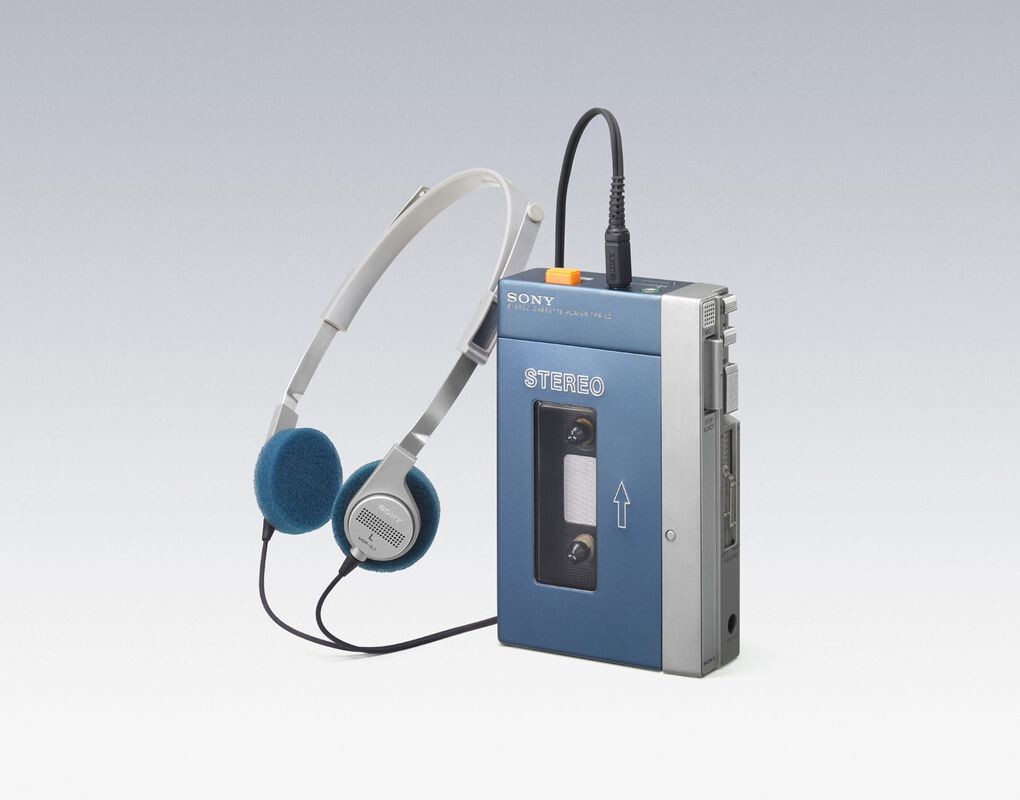
It's not just that you can find tapes at good prices; there are plenty of players (often mislabeled as 'Walkmans') that have adapted to modern times with lithium batteries and Bluetooth connectivity.

Most importantly, despite all the limitations of listening to music on CD, cassette, or vinyl, this makes perfect sense if we want to disconnect from the algorithm and engage in active listening.
The Walkman Legacy: From 1979 to Today
The Walkman is now a collector's item. I'm referring to the legendary Sony TPS-L2, which hit the market in 1979. Since then, the Japanese brand's player became a standard that was iterated on both inside and outside Sony.
Improvements came in the form of smaller sizes, better battery life, and features like auto-reverse and Dolby noise reduction. But the core experience remained the same: a personal, tangible way to listen to music.
Today, the Walkman name is often used generically for any portable cassette player, but the original Sony models are highly sought after by collectors. The revival isn't just about nostalgia; it's about a tactile connection to music that streaming can't replicate.
Why Cassettes Are Making a Comeback
Cassette tapes are experiencing a resurgence, driven by a desire for physical media and a break from digital overload. Artists are releasing albums on cassette again, and indie labels are thriving.
Unlike vinyl, cassettes are portable and cheap to produce. They offer a warm, analog sound that many find appealing, despite the hiss and limited dynamic range.
The ritual of inserting a tape, flipping it over, and listening from start to finish fosters active listening—a stark contrast to the shuffle-and-skip culture of streaming.
Modern Features: Bluetooth and USB-C
The new wave of cassette players isn't stuck in the past. Manufacturers are adding Bluetooth, USB-C charging, and lithium batteries to make them compatible with modern life.
Bluetooth lets you connect wireless headphones or speakers, while USB-C ensures you can charge with the same cable as your phone. Some models even include built-in speakers and MP3 conversion via USB.
These upgrades make cassette players practical for daily use, bridging the gap between retro charm and contemporary convenience.
Key Takeaways
- Modern cassette players combine retro design with Bluetooth and USB-C for everyday usability.
- The Walkman revival is part of a broader trend of physical media and retro hardware.
- Cassettes offer a cheap, tangible way to enjoy music and practice active listening.
- Collectors seek original Sony Walkmans, while new players cater to casual listeners.
- Bluetooth and USB-C make these devices compatible with today's tech ecosystem.
Comparison: Classic vs. Modern Cassette Players
| Feature | Classic Walkman (e.g., TPS-L2) | Modern Cassette Player |
|---|---|---|
| Connectivity | Wired headphones only | Bluetooth and wired |
| Power | AA batteries | Rechargeable lithium battery via USB-C |
| Size | Bulkier | Slimmer, portable |
| Additional features | Basic playback | MP3 conversion, built-in speaker, auto-reverse |
| Price | Collector's item (high) | Affordable (varies) |
Who Benefits from the Walkman Revival?
This revival appeals to multiple groups. Nostalgia seekers who grew up with cassettes can relive their youth with modern conveniences. Audiophiles appreciate the analog warmth and the ritual of physical media.
Meanwhile, younger generations are discovering cassettes as a novelty, drawn by the retro aesthetic and the tangible experience. Artists and labels benefit from a new revenue stream and a way to offer special editions.
Ultimately, anyone looking to reduce screen time and engage more deeply with music can find value in a cassette player. Context on how this played out before sits in Walkman Revival: Bluetooth and USB-C Bring Back the Cassette.
What to Watch Next
As the trend grows, expect more manufacturers to release hybrid players with advanced features. We may see integration with smart home systems or apps for tracking playback. The background to this story is set out in Arde Bogotá's Cassette Album Sells Out at Repsol Gas Stations. A related thread runs through Technology: latest articles.
The revival also raises questions about sustainability—cassettes are made of plastic, but their longevity and the emotional value they hold might offset environmental concerns. Earlier coverage in Digital Sovereignty Expert: Europe's Trust in US Hyperscalers Is Gone shows how the argument developed. A closer look at the same subject appears in USB-C Fan on Your Phone: A Cool Idea That Can Fry Your Smartphone.
Keep an eye on Sony and other legacy brands; they might re-enter the market with official modern Walkmans, blurring the line between nostalgia and innovation. Anyone following the wider picture can start with France Bans Social Media for Under-15s: What Comes Next. The same theme surfaces in Sharp RP-TT95 Turntable Deal at Lidl: Retro Bluetooth Vinyl Player, which takes a different angle.
FAQ
What is a modern Walkman?A modern Walkman refers to portable cassette players that include contemporary features like Bluetooth, USB-C charging, and lithium batteries, allowing users to enjoy cassette tapes with today's technology.
Why are cassettes popular again?Cassettes are popular again due to a desire for physical media, nostalgia, and a break from digital streaming. They offer a tangible, analog experience that encourages active listening.
Can I connect Bluetooth headphones to a cassette player?Yes, many modern cassette players come with Bluetooth connectivity, allowing you to pair wireless headphones or speakers for a cable-free experience.
Is the original Sony Walkman still available?The original Sony TPS-L2 is a collector's item and is no longer produced. However, you can find vintage units through online marketplaces and specialty retailers, often at high prices.
Browse the Shop
 Acacia frida deluxe solid wood bed frame |
Bedroom bench |
Bed chest drawers |
Lingerie dresser |
Frame base |
Mirror with jewelry storage |
30 Bathroom Vanity |
Memory foam queen mattress |
Mattresses for back pain |
Nightstand set of 2 |
Grand Goldman Shop |
Civil Lawyer
Deutschland Trikot WM 2026







