

The WhatsApp vote scam is a new phishing tactic that tricks you into handing over your account by asking for a simple vote in a dance contest. The message, often starting with “Could you vote for Eliska?”, appears to come from a friend or contact, making it seem harmless. However, it's a sophisticated fraud known as ghost pairing that can give attackers full control of your WhatsApp.
What Is the WhatsApp Vote Scam?
You receive a WhatsApp message from a known contact asking you to vote for their child in a dance competition. The message promises a free dance class as a reward and includes a link to a voting website. Once you click, the site asks for your phone number and displays a code with instructions to enter it into WhatsApp. That code is actually the verification code needed to link a new device to your account.
Find Original, High-end Home Decor that spark conversation at Grand Goldman Shop.
This is not a traditional hack but a social engineering attack that exploits trust. Because the message comes from a real contact, many people lower their guard and follow the instructions without suspecting anything.

How the Scam Works Step by Step
The scam unfolds in a few simple steps. First, the attacker gains access to one account through the same trick or another method. Then, they send the vote request to all contacts of the compromised account. When a victim clicks the link and enters their phone number, the fake voting site generates a pairing code. The victim is then instructed to enter this code in WhatsApp under “Linked Devices.” Once entered, the attacker's device is linked to the victim's account.
The Role of Ghost Pairing
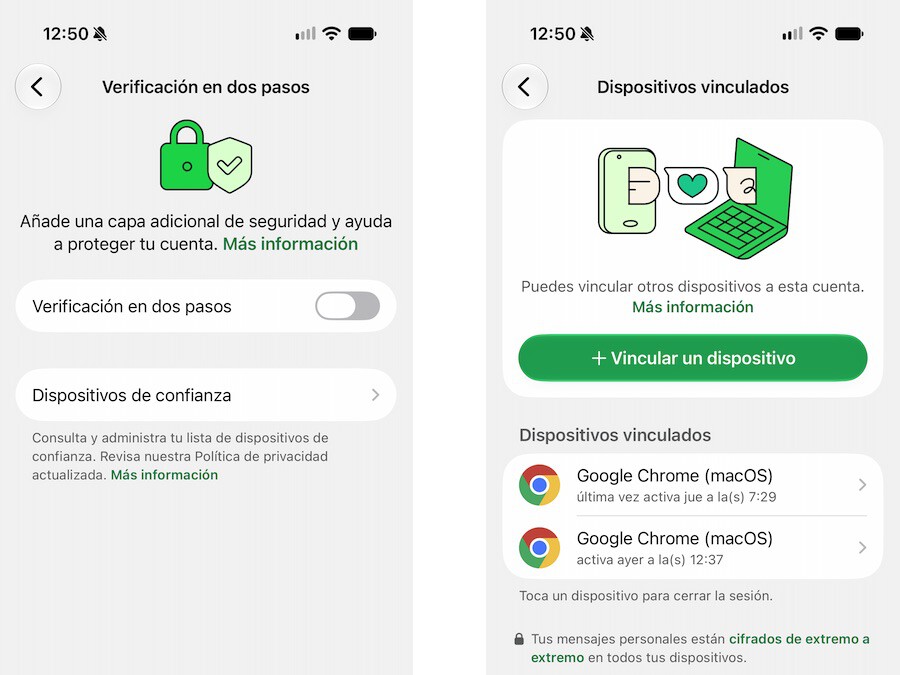
Ghost pairing is a technique that allows an attacker to link a device to someone else's WhatsApp account without their knowledge. It relies on the “Linked Devices” feature, which lets you use WhatsApp on multiple devices. The attacker initiates the linking process from their own device, triggering a code to be sent to the victim. The victim, thinking they are verifying a vote, enters the code, and the attacker's device is paired.
Once paired, the attacker can read messages, send messages as the victim, and even re-send the scam to more contacts. This creates a chain reaction that can quickly spread the fraud across entire contact lists.
Why It's Hard to Detect
The scam is difficult to detect because it mimics a legitimate request. The link leads to a website that looks like a real voting page, complete with a dance contest theme. The promise of a free dance class adds an incentive that makes the request seem even more genuine. Moreover, the message comes from a trusted contact, so victims are less likely to question it.
Who Is at Risk?
Anyone with a WhatsApp account is potentially at risk, but some groups are more vulnerable. Parents who frequently share requests for votes in contests are prime targets because they are used to such messages. Elderly users may also be more susceptible due to lower digital literacy. However, even tech-savvy individuals can fall for the scam if they are distracted or in a hurry.
The scam's effectiveness lies in its simplicity. It doesn't ask for money or sensitive information directly; it only asks for a vote. This low-stakes request makes it easy to comply without thinking twice.
How to Protect Yourself from the WhatsApp Vote Scam
To avoid falling victim, follow these precautions. Always verify any request for a vote or favor through a different channel, such as a phone call, before clicking links. Enable two-step verification in WhatsApp to add an extra layer of security. Regularly review your linked devices and remove any you don't recognize. Never share verification codes with anyone, even if they claim to be from WhatsApp support.
- Verify requests: Contact the sender through another method to confirm the message is genuine.
- Enable two-step verification: This prevents unauthorized access even if someone gets your code.
- Check linked devices: Periodically review and remove unfamiliar devices from WhatsApp.
- Don't share codes: WhatsApp will never ask you to share your verification code.
- Educate contacts: Warn friends and family about this scam to stop the chain.
What to Do If You've Been Scammed
If you suspect you've fallen for the scam, act quickly. First, go to WhatsApp settings and check linked devices. Remove any device you don't recognize. Then, enable two-step verification if you haven't already. Change your WhatsApp profile picture and status to alert contacts that your account may have been compromised. Finally, report the incident to WhatsApp and consider notifying your contacts about the scam. The longer history behind the story is traced in WhatsApp Vote Scam: How the Eliska Message Steals Your Account.
You should also monitor your account for unusual activity, such as messages you didn't send. If you see any, inform your contacts immediately so they don't fall for the same trick. The background to this story is set out in Calendar Phishing Scam: Protect Your Finances Now. A related thread runs through WhatsApp Message Scheduling Beta: What It Means for Users. Earlier coverage in Fake Consultancy Scam in Chinese Espionage Probe shows how the argument developed.
Comparison of WhatsApp Security Features
Understanding WhatsApp's security features can help you stay protected. The table below compares key features and their roles in preventing scams. A closer look at the same subject appears in Scam Compound Survivors Still Trapped in Southeast Asia. Anyone following the wider picture can start with Roofing Scam Alert: £3,500 Lost to Fake Repairs. The same theme surfaces in Online Shoe Scam: Fashion Fans Beware of Fraud, which takes a different angle.
| Feature | Purpose | How It Helps |
|---|---|---|
| Two-step verification | Adds a PIN to your account | Prevents unauthorized access even if someone gets your code |
| Linked devices | Allows using WhatsApp on multiple devices | But can be exploited; review regularly |
| End-to-end encryption | Secures messages | Doesn't prevent social engineering but protects content |
| Login notifications | Alerts you to new logins | Helps detect unauthorized access early |
The Bottom Line
The WhatsApp vote scam is a reminder that even innocent-looking requests can be dangerous. Cybercriminals rely on trust and urgency to trick people into giving away access. By staying informed and cautious, you can protect your account and help stop the spread of this fraud. Remember, if something seems too simple or too good to be true, it's worth a second look. Context on how this played out before sits in Technology: latest articles. A companion piece, Apple A20 Pro: 2nm Chip Powering iPhone 18 Pro and Future MacBooks, approaches the same subject from another angle.
FAQ
What is the “Could you vote for Eliska?” WhatsApp scam?It's a phishing scam where you receive a message from a contact asking you to vote for a child named Eliska in a dance contest. The link leads to a fake voting site that asks for your phone number and then instructs you to enter a code in WhatsApp, which actually links the attacker's device to your account.
How can I tell if a WhatsApp message is a scam?Be wary of messages that ask you to click links, especially if they come from contacts but seem unusual. Look for poor grammar, urgency, or requests for codes or personal information. Always verify through another channel before acting.
What should I do if I entered the code?Immediately check your linked devices in WhatsApp settings and remove any unfamiliar devices. Enable two-step verification, and inform your contacts about the scam. You may also want to report the incident to WhatsApp support.
Can the attacker access my other accounts?The attacker only gains access to your WhatsApp account. However, they could use it to send further scams to your contacts. It's important to secure your account and warn others.
Browse the Shop
 Acacia frida deluxe solid wood bed frame |
Bedroom bench |
Bed chest drawers |
Lingerie dresser |
Frame base |
Mirror with jewelry storage |
30 Bathroom Vanity |
Memory foam queen mattress |
Mattresses for back pain |
Nightstand set of 2 |
Grand Goldman Shop |
Civil Lawyer
Deutschland Trikot WM 2026







