

Leaving your phone or laptop charger plugged into the wall is a habit most of us share, but it may not be as harmless as it seems—especially when storms are forecast. In terms of safety, keeping that charger connected during a surge event could put your devices at risk. The Spanish meteorological agency Aemet has warned of storms, making this a good time to reconsider that always-on charger.
The first reason to unplug is simple: lightning doesn't have to strike your home directly. A strike nearby can send a voltage spike through the electrical installation and damage anything plugged in. There are ways to protect against this, but they require a specific surge protection system—and the key word is "installed."
Find Original Home Decor sparking conversation at Grand Goldman Shop.

How a Nearby Lightning Strike Can Damage Your Charger
When lightning strikes near your home, the resulting surge travels through power lines and into your electrical system. Any device connected to an outlet—including your charger—can be affected. Even if your charger isn't actively charging a device, it remains part of the circuit and can conduct the surge.
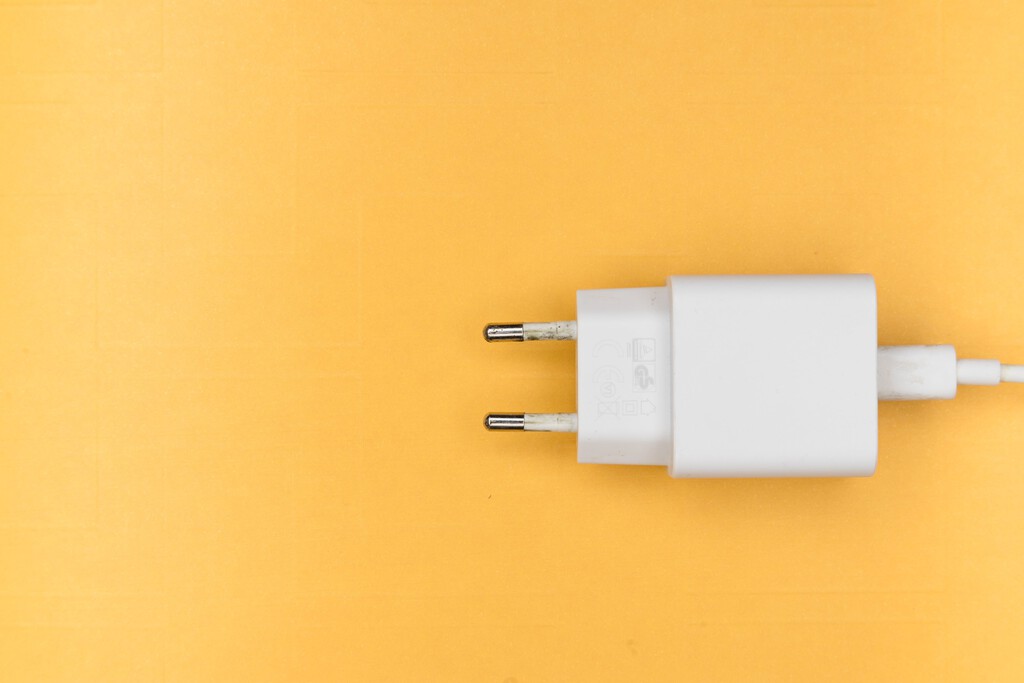
This is why experts recommend unplugging chargers during thunderstorms. It's a simple precaution that costs nothing and can save your electronics from costly damage.
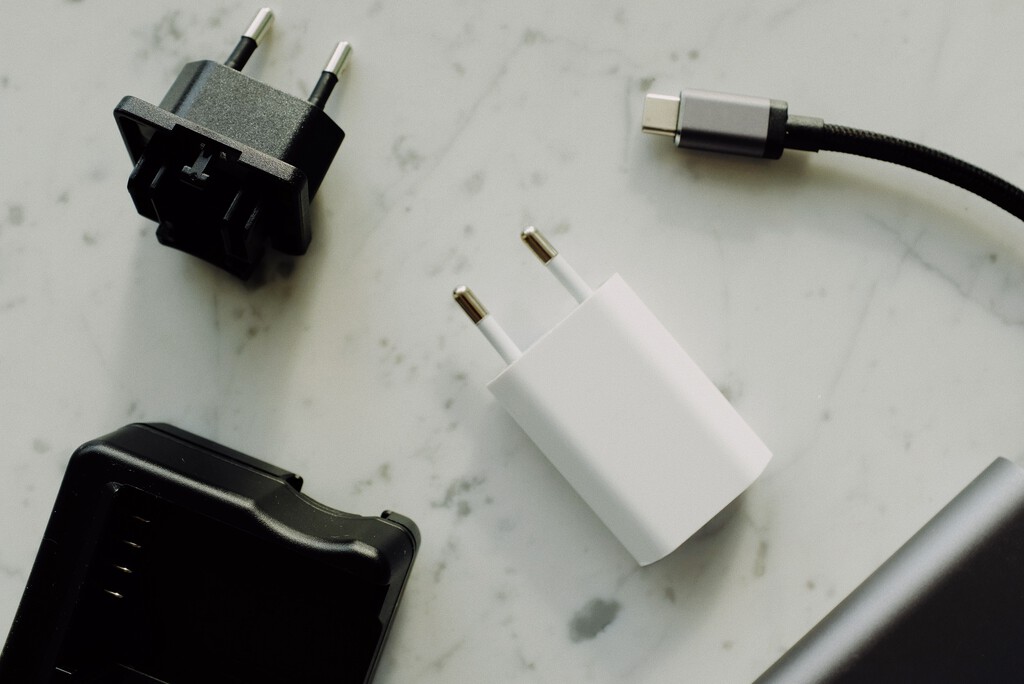
Spain's Surge Protection Gap: No Mandatory Requirement
In Germany, since December 14, 2018, all new electrical installations must be designed with surge protection, according to DIN VDE 0100-443 and 0100-534 standards. In Spain, there is no equivalent obligation for all homes. Installing a protector is recommended, but it depends on a prior risk analysis.
A draft of the new Low Voltage Electrotechnical Regulation aims to make surge protection more widespread, but it has not yet been approved or published in the Official State Gazette (BOE). This means that even if your home is newly built and fully compliant with current regulations, it may not include surge protection.
What This Means for Homeowners
Without mandatory surge protection, many Spanish homes remain vulnerable to voltage spikes. Experts in lightning protection continue to recommend the traditional advice when a storm hits: unplug sensitive devices. This includes not just chargers but also computers, TVs, and other electronics.
Practical Steps to Protect Your Devices
While waiting for regulations to catch up, you can take action to reduce risk. Here are key takeaways:
- Unplug chargers and electronics when a storm is forecast.
- Consider installing a whole-home surge protector if your area experiences frequent storms.
- Use surge-protected power strips for sensitive devices, though these are not a substitute for whole-home protection.
- Check if your home's electrical panel already has a surge protection device; if not, consult a qualified electrician.
- Stay informed about local weather warnings from Aemet and act accordingly.
Surge Protection Comparison: Germany vs. Spain
The table below summarizes the regulatory differences between the two countries.
| Aspect | Germany | Spain |
|---|---|---|
| Mandatory surge protection for new installations | Yes, since Dec 14, 2018 | No, only recommended based on risk analysis |
| Relevant standards | DIN VDE 0100-443 and 0100-534 | Draft update to Low Voltage Electrotechnical Regulation pending |
| Typical home protection | Often included in new builds | Not guaranteed; depends on installation |
Why the Third Reason Is Less Discussed
Beyond lightning and regulatory gaps, there's a third reason to unplug your charger that receives less attention: energy consumption. Even when not charging a device, a plugged-in charger draws a small amount of standby power. Over time, this adds to your electricity bill and contributes to unnecessary energy use.
While the amount per charger is small, multiplying it across all households makes a difference. Unplugging when not in use is a simple way to reduce waste and lower your carbon footprint. The background to this story is set out in Fischer UX Wall Plugs: The DIY Magic for Hanging Anything. A related thread runs through Hurricane Lala Hawaii Damage: Storm Recovery and Safety. Earlier coverage in Flash Floods and Storms Batter Northeast US: Safety Tips shows how the argument developed.
What to Watch Next
Keep an eye on the pending update to Spain's Low Voltage Electrotechnical Regulation. If approved, it could make surge protection mandatory in more homes, closing the gap with Germany. Until then, stay vigilant during storms and unplug your chargers. A closer look at the same subject appears in Flash Floods and Storms Batter North-East US: Safety Tips. Anyone following the wider picture can start with Trimming Brown Leaf Tips: Harmless Houseplant Hack or Risk. The same theme surfaces in Red and Black Bug: Stunning, Smelly, and Surprisingly Harmless, which takes a different angle.
For now, the advice remains straightforward: when thunder rumbles, reach for the plug. It's a small habit that protects your devices, your wallet, and your peace of mind. Context on how this played out before sits in How to Replace an Electrical Plug Without Mistakes – DIY Guide. A companion piece, How to Remove a Wall Plug, approaches the same subject from another angle.
FAQ
Why is it dangerous to leave my charger plugged in during a storm?
A nearby lightning strike can cause a voltage spike that travels through your home's wiring and damages anything plugged in, including chargers. Unplugging removes that risk.
Does Spain require surge protection in homes?
No, Spain does not mandate surge protection for all homes. It is recommended based on a risk analysis, and a draft regulation to make it more widespread is still pending.
Can a surge protector strip protect my charger?
Surge protector strips can help, but they are not as effective as a whole-home surge protection system. They may not handle large surges from lightning.
What is the third reason to unplug my charger?
Plugged-in chargers draw standby power even when not in use, wasting energy and adding to your electricity bill over time.
Browse the Shop
 Acacia frida deluxe solid wood bed frame |
Bedroom bench |
Bed chest drawers |
Lingerie dresser |
Frame base |
Mirror with jewelry storage |
30 Bathroom Vanity |
Memory foam queen mattress |
Mattresses for back pain |
Nightstand set of 2 |
Grand Goldman Shop |
Civil Lawyer
Deutschland Trikot WM 2026







