

Archaeologists have discovered 120 Roman inscriptions deep inside Cova Dones, a cave in Millares, Valencia, at more than 200 meters below the surface. The find, announced by the universities of Alicante and Zaragoza, sheds new light on a hidden Roman sanctuary and makes the site unique in the world.
The 2026 excavation campaign, which ran from May to June, revealed the inscriptions, most dating to the first two centuries AD. This is not the first major discovery at Cova Dones, but it is the most significant yet.
Find Original Home Decor sparking conversation at Grand Goldman Shop.

What Was Found Inside Cova Dones?
Researchers identified at least 120 Latin inscriptions carved into the cave walls. Most are dated to the first two centuries of the Common Era, placing them firmly in the Roman period. Previously, only a handful of similar vestiges were known from the site.
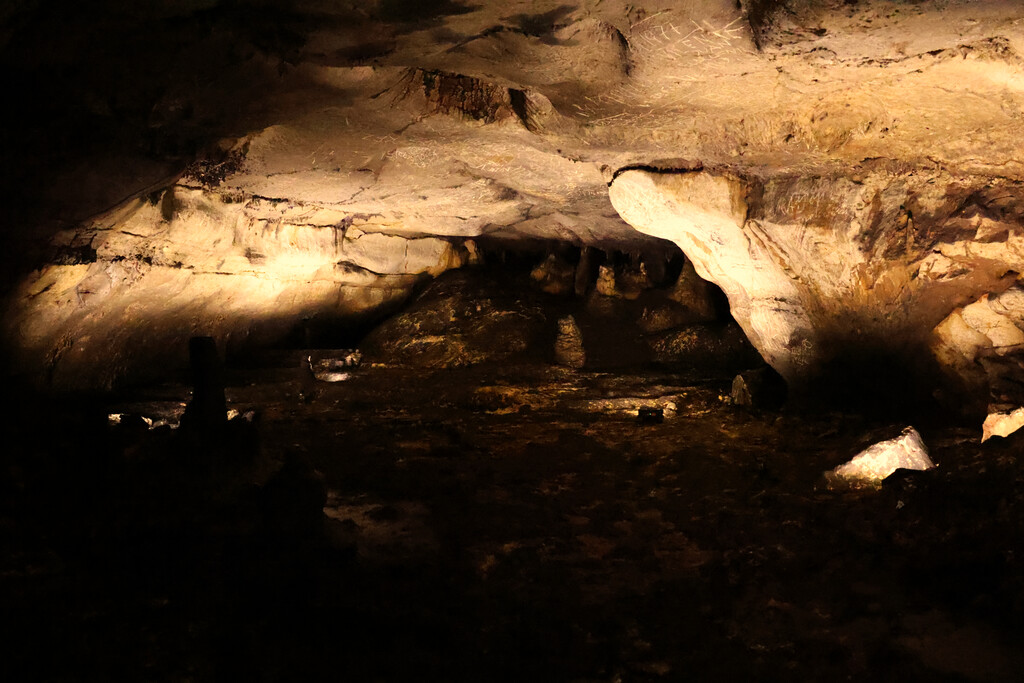
The inscriptions are concentrated in an area that appears to have been used as a sanctuary. In 2024, archaeologists had already located a hidden Roman sanctuary more than 200 meters underground. The new inscriptions confirm and expand that discovery.
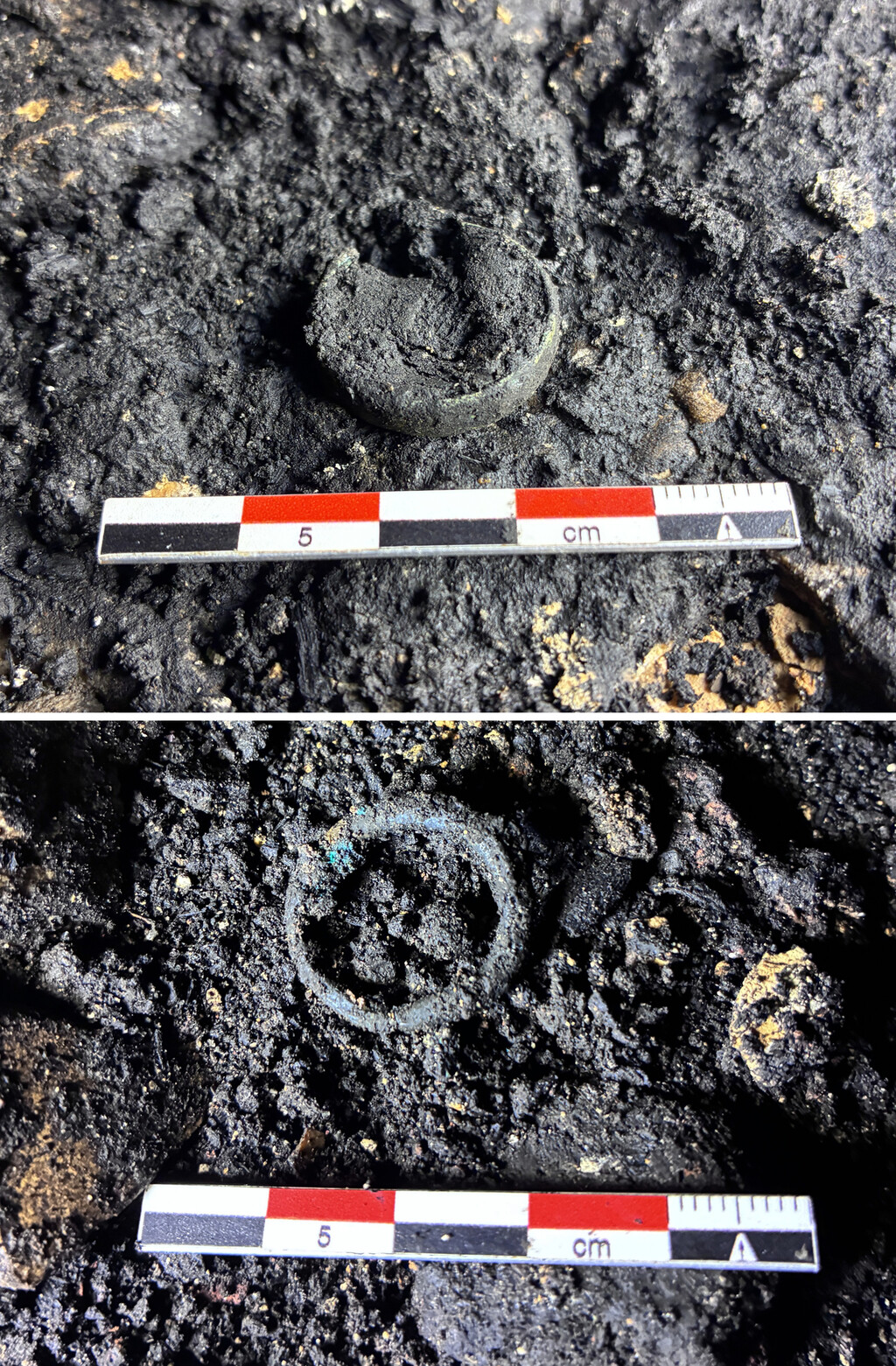
Why Is This Discovery So Significant?
Cova Dones has been a treasure trove for years. In 2023, researchers confirmed one of the largest collections of Paleolithic rock art on the Iberian Peninsula. In 2025, they identified further prehistoric remains. Now, the Roman inscriptions add a new layer to the cave's long history.
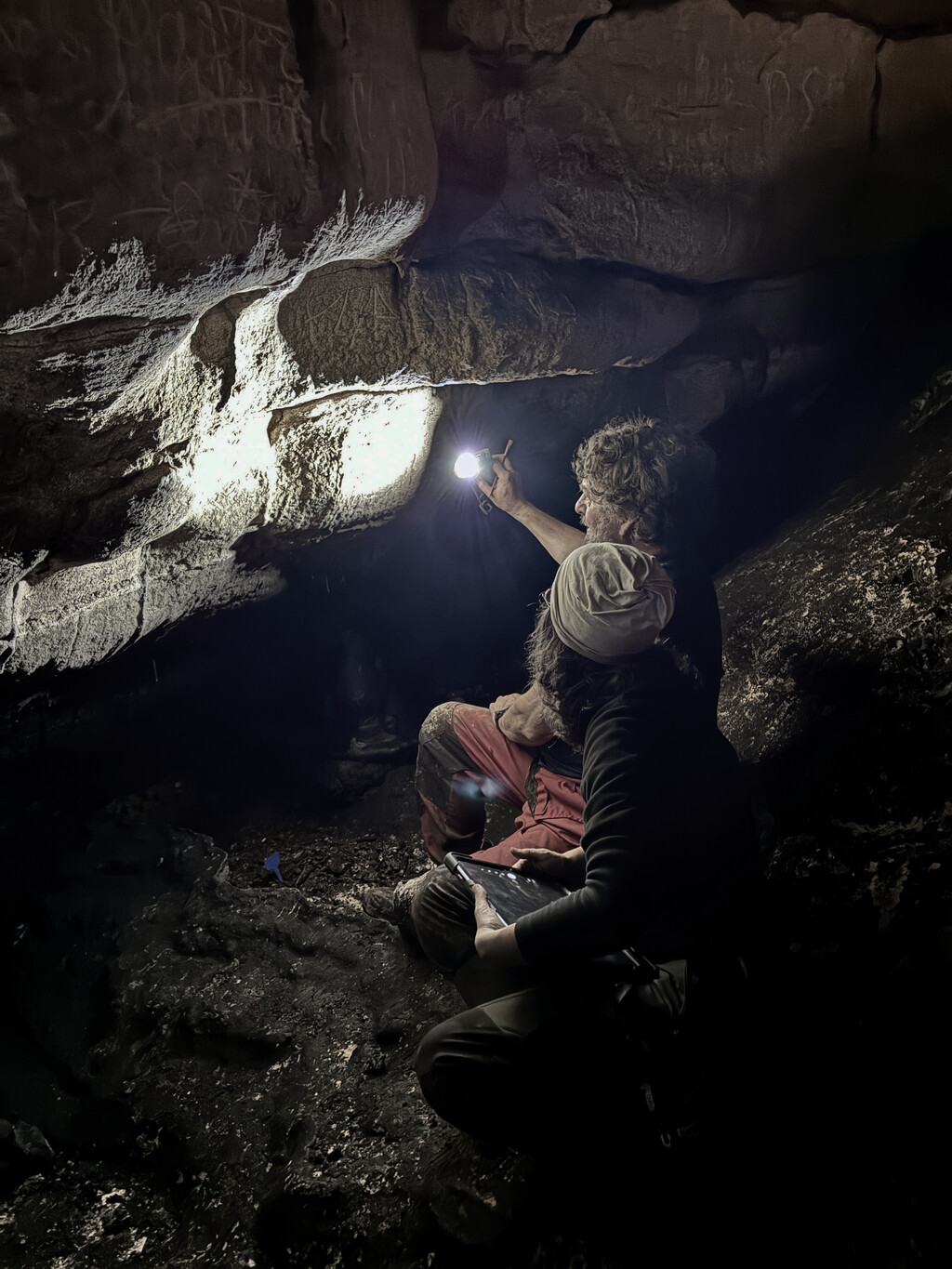
The sheer number of inscriptions—120—is unprecedented. According to the universities involved, this makes Cova Dones a unique site globally. Such a concentration of Latin inscriptions in a deep cave context is extremely rare, offering a rare window into Roman religious practices in the region.
What Do the Inscriptions Tell Us?
While the full content of the inscriptions has not yet been published, their quantity and location suggest a structured religious use. The sanctuary may have been dedicated to female deities, as hinted by the title of the original article, though this has not been confirmed in the available excerpt.
The inscriptions likely include votive offerings, names of worshippers, or dedications to gods. Their presence deep underground indicates that the cave was a significant cult site, possibly visited by people from nearby Roman settlements.
Who Is Involved in the Research?
The excavation is a collaboration between the University of Alicante and the University of Zaragoza (Unizar). These institutions have been studying Cova Dones for years, piecing together its prehistoric and Roman past. The longer history behind the story is traced in 120 Roman Inscriptions Found in Valencia Cave at 200 Meters Deep. More on the surrounding debate is collected in Roman Color-Changing Glass Recreated After 1,600 Years.
The 2026 campaign was led by archaeologists from both universities, with support from speleologists who helped navigate the challenging cave environment. Their work continues to reveal new surprises each season. The background to this story is set out in Alarcos Excavation Reveals Major Archaeological Discovery in Spain. A related thread runs through China Finds 11,742 Unknown Viruses at 6,000 Meters Deep in Pacific. Earlier coverage in Best UK Universities for Anthropology & Archaeology: League Table shows how the argument developed.
What Happens Next?
Researchers will now analyze the inscriptions to decipher their content and context. This could take months or even years, as the team works to understand the full significance of the sanctuary. A closer look at the same subject appears in Trending: latest articles. Anyone following the wider picture can start with Westminster Abbey Roman Sarcophagus Mystery Finally Solved. The same theme surfaces in Ancient Riotinto Mines Active for 400 Years Thanks to Sandals, which takes a different angle.
Further excavations are planned, and the site may soon attract international attention. As word spreads, Cova Dones could become a key destination for scholars of Roman history and archaeology. Context on how this played out before sits in Ancient Venus Head Found in Alicante Bag: 2,000-Year-Old Marble Discovery. A companion piece, Medieval Nomad Caravan: First Mobile Home Unearthed in Kazakhstan, approaches the same subject from another angle.
FAQ
What is Cova Dones?
Cova Dones is a cave in Millares, Valencia, Spain, known for its Paleolithic rock art and Roman remains. It has been the subject of archaeological study for several years.
How many Roman inscriptions were found?
Archaeologists identified at least 120 Latin inscriptions during the 2026 campaign. Most date to the first two centuries AD.
Why are these inscriptions important?
They provide rare evidence of Roman religious activity deep underground and make Cova Dones unique worldwide due to the high number of inscriptions.
Who discovered the inscriptions?
The discovery was made by researchers from the University of Alicante and the University of Zaragoza during their 2026 excavation campaign.
Browse the Shop
 Acacia frida deluxe solid wood bed frame |
Bedroom bench |
Bed chest drawers |
Lingerie dresser |
Frame base |
Mirror with jewelry storage |
30 Bathroom Vanity |
Memory foam queen mattress |
Mattresses for back pain |
Nightstand set of 2 |
Grand Goldman Shop |
Civil Lawyer
Deutschland Trikot WM 2026







