

AI productivity has been hyped as a game-changer, with promises of 50% efficiency gains and a 15% boost to global GDP within a decade. Yet the latest GDP data tells a different story: despite massive investment, Western economies show no clear productivity breakout. So why isn't AI showing up in the numbers?
The AI Hype vs. Macro Reality
Few technologies have generated as much excitement as generative AI. It's easy to see why: beyond geopolitical implications and the fortunes being mobilized, we've been hearing for years how it will transform productivity and mark a before and after in the labor market. Claims include performance increases of over 50%, a 15% lift in global GDP in just a decade, and a restructuring of the workforce with the destruction of more than two million jobs in Spain alone over ten years.
Find Original Home Decor sparking conversation at Grand Goldman Shop.

With all those data points on the table, the question is: is the AI effect really being felt in the macroeconomy yet? What do the data say?
What GDP Tells Us: No Clear Breakout
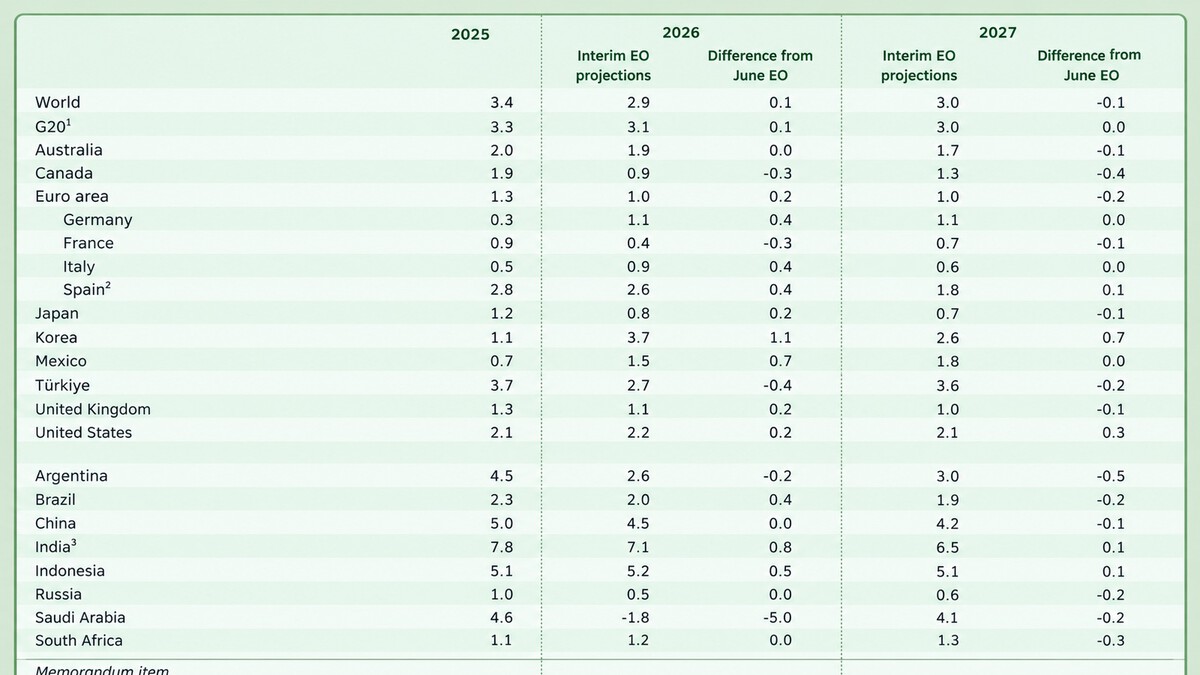
Despite multibillion-dollar investments in generative AI, production indicators in Western economies show no signs of a qualitative leap or disruption. In fact, the OECD speaks of a moderation in global growth in the first half of 2026, in a scenario marked by the consequences of the war in the Middle East, rising energy costs, and uncertainty generated by tariff policies. AI influences the equation, of course, but it is far from tipping the scales.
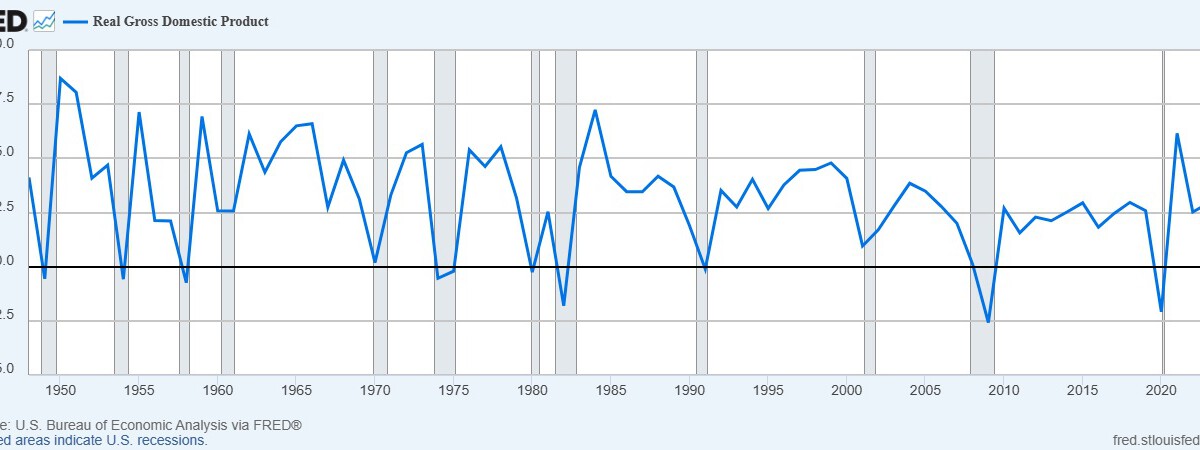
Overall, the OECD forecasts global GDP growth of 2.9% this year and 3% in 2026. Its analysts expect AI and cheaper energy to drive the economy, but the impact is gradual and uneven.
Why the AI Effect Is Not Yet Visible in GDP
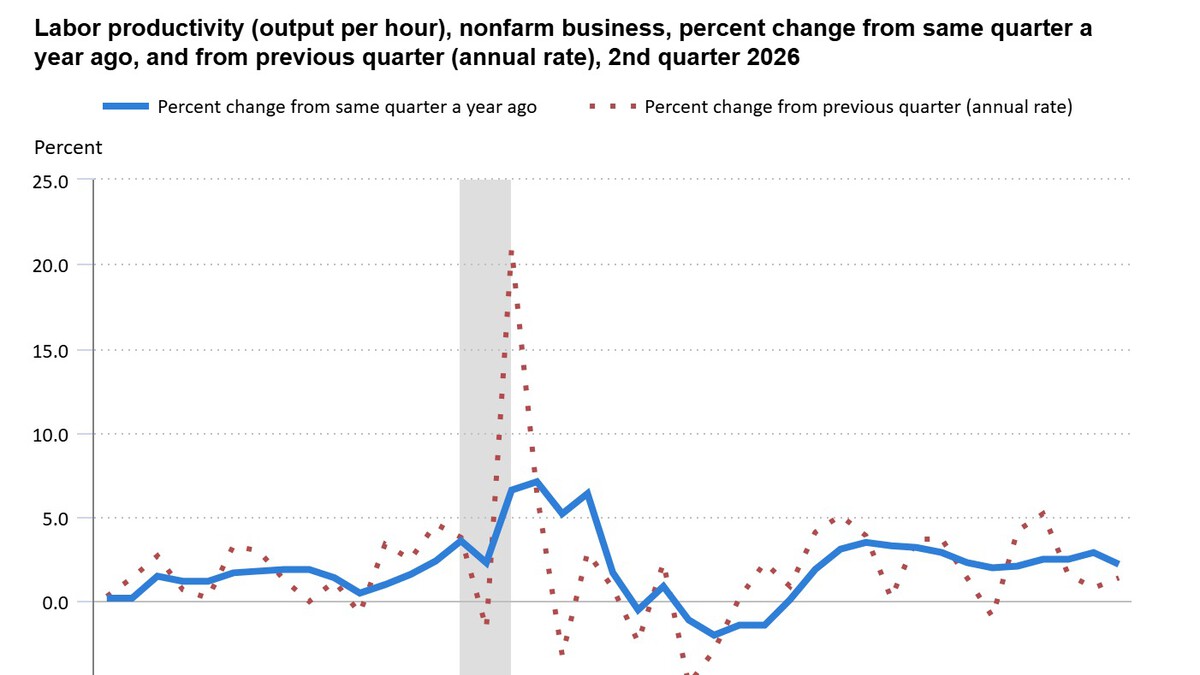
There are several reasons why AI's productivity boost isn't showing up in GDP yet. First, adoption takes time: businesses need to integrate AI into workflows, train staff, and redesign processes. Second, measurement challenges: GDP may not fully capture AI-driven improvements in quality, speed, or new services. Third, economic headwinds: geopolitical conflicts, energy prices, and trade tensions can mask AI's positive effects.
Moreover, the productivity gains from AI may be concentrated in specific sectors and tasks, not yet widespread enough to move the aggregate needle. As with previous general-purpose technologies, the full impact may take years to materialize.
Key Takeaways for Businesses
- AI adoption is a marathon, not a sprint: Integration requires time and organizational change.
- GDP is a lagging indicator: It may not capture AI's early benefits in efficiency and innovation.
- Macro headwinds matter: Geopolitical and energy factors can obscure AI's impact.
- Sector-specific gains: Productivity improvements may be concentrated in certain industries.
- Long-term optimism: The OECD still expects AI to contribute to growth, but gradually.
AI's Impact on Productivity: What the Data Shows
While GDP growth hasn't surged, some micro-level studies show significant productivity gains for specific AI applications. For example, customer service chatbots and coding assistants have boosted output in controlled settings. However, these gains haven't yet translated into macroeconomic aggregates. The longer history behind the story is traced in AI Productivity Boom: Why GDP Data Tells a Different Story.
The table below summarizes the contrast between AI promises and current macroeconomic indicators. The background to this story is set out in Trending: latest articles. A related thread runs through Amazon Prime Day 2025: Best Early Tech Deals Today, September 28. Earlier coverage in Lenovo Idea Tab Pro Gen 2 Review: The Android Tablet That Works shows how the argument developed.
| Metric | AI Promise | Current Reality (GDP Data) |
|---|---|---|
| Productivity growth | 50%+ increase | No clear acceleration in Western economies |
| Global GDP boost | 15% in a decade | OECD forecasts 2.9% growth this year, 3% in 2026 |
| Job market impact | 2M+ jobs destroyed in Spain in a decade | Labor market restructuring is gradual; no massive disruption yet |
| Investment | Billions in generative AI | Investment is high, but returns not yet visible in GDP |
What to Watch Next
To see AI's true impact, watch for several signs: acceleration in productivity statistics, widespread adoption across small and medium enterprises, and the emergence of new AI-native business models. Also, keep an eye on how AI affects inflation and employment dynamics. A closer look at the same subject appears in How to Ditch US Tech and Embrace European Alternatives. Anyone following the wider picture can start with New Dinosaur Discovery in China: Long Claws, Tiny Teeth. The same theme surfaces in UK Economy Defies Forecasts with Surprise 0.4% GDP Growth, which takes a different angle.
Policymakers and business leaders should focus on enabling adoption through education, infrastructure, and regulatory clarity. The productivity boom may be coming, but it's not here yet. Context on how this played out before sits in UK GDP Growth 0.4% in Q2: Strong First Half, Risks Ahead. A companion piece, IMF Downgrades Australia's 2027 GDP Growth Forecast to 1.6%, approaches the same subject from another angle.
FAQ
Why isn't AI boosting GDP yet?
AI adoption takes time, and GDP may not capture early efficiency gains. Economic headwinds like geopolitical tensions and energy costs also mask the impact.
What sectors are seeing AI productivity gains?
Early gains are concentrated in tech, customer service, and software development, where AI tools augment tasks. Widespread adoption across all sectors is still limited.
When will AI's impact show in GDP?
The OECD expects AI to contribute to growth gradually, with fuller effects likely in the next 5-10 years as adoption deepens and complementary investments are made.
Should businesses still invest in AI?
Yes, but with realistic expectations. Focus on specific use cases, measure productivity improvements, and prepare for organizational change to capture long-term benefits.
Browse the Shop
 Acacia frida deluxe solid wood bed frame |
Bedroom bench |
Bed chest drawers |
Lingerie dresser |
Frame base |
Mirror with jewelry storage |
30 Bathroom Vanity |
Memory foam queen mattress |
Mattresses for back pain |
Nightstand set of 2 |
Grand Goldman Shop |
Civil Lawyer
Deutschland Trikot WM 2026







