

Ancient Roman board games and wine were central to everyday life in Hispania, as revealed by the ongoing excavations at Cabeza Ladrero in Aragon. This lesser-known archaeological site is shedding light on the "clay Rome"—the world of ordinary people far from the marble monuments of the capital.
Located in Cinco Villas, Zaragoza, the site has been under investigation since 2016 and continues to surprise researchers with its rich deposits.
Find Original Home Decor sparking conversation at Grand Goldman Shop.

Unearthing the 'Clay Rome' of Hispania
When we think of ancient Rome, images of togas, the Colosseum, and senators often come to mind. But that is only part of the story—the "marble Rome." The other, equally important but far less known, is the "clay Rome," populated by people who lived away from the metropolis, working, drinking, playing, and experiencing the full range of human emotions.
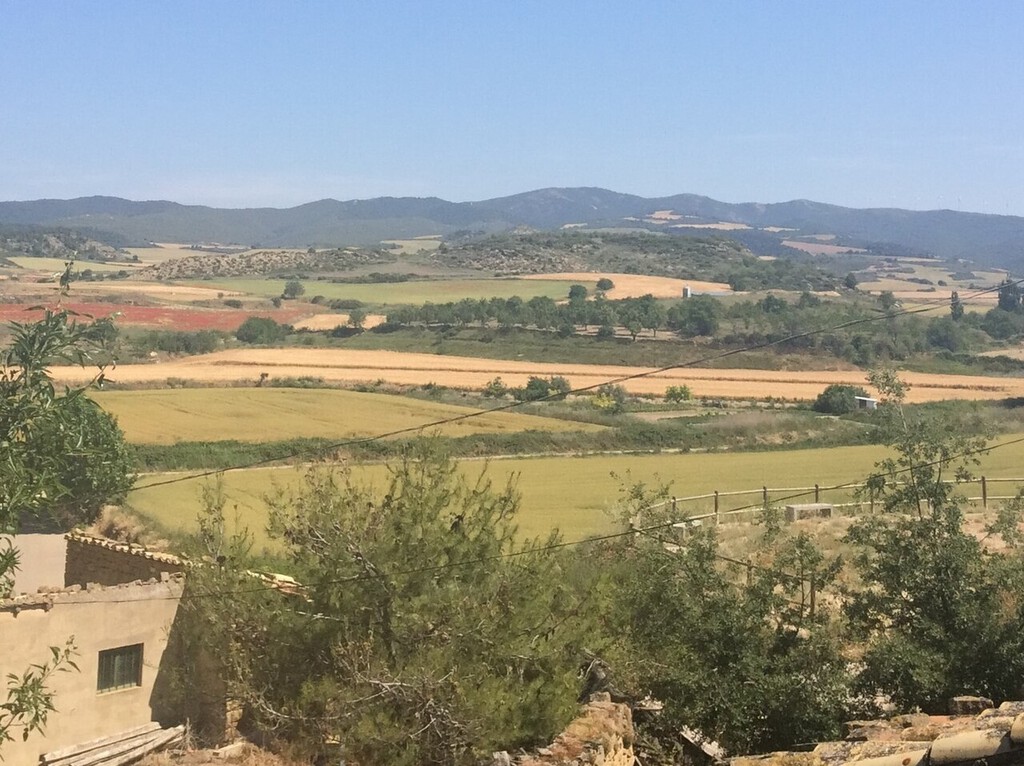
This is the Rome that archaeologist Ángel A. Jordán and his team are gradually uncovering at Cabeza Ladrero. Their work is revealing the daily lives of those who inhabited this region centuries ago.
A Strategic Location
Cabeza Ladrero may not be Spain's most famous archaeological site, but it has proven to be a treasure trove for historians. Situated in the pre-Pyrenean foothills near Sofuentes, the land was occupied for centuries and played a key role on the Roman road built by Augustus that crossed the area.
Researchers estimate that the settlement spanned 19 hectares and was inhabited from the late Bronze Age through late antiquity, between the 6th and 9th centuries AD.
Board Games and Wine: Leisure in Roman Spain
Among the fascinating finds at Cabeza Ladrero are evidence of board games and wine consumption. These discoveries offer a glimpse into the leisure activities of the common people, showing that they enjoyed pastimes similar to those in other parts of the empire.
Board games were popular across all levels of Roman society, often played with dice or counters on marked boards. The presence of such gaming pieces suggests that the inhabitants of Cabeza Ladrero engaged in social entertainment, perhaps in taverns or communal spaces.
Wine was a staple of the Roman diet, consumed daily by people of all classes. The discovery of amphorae and other wine-related artifacts indicates that the residents were part of the broader Mediterranean trade network, importing wine or producing it locally.
What the Finds Reveal About Daily Life
The artifacts from Cabeza Ladrero paint a vivid picture of daily life in Roman Hispania. Beyond games and wine, the site has yielded clues about diet, housing, and trade.
- Social interaction: Board games and wine suggest communal activities and leisure time.
- Economic connections: Imported goods like wine amphorae indicate trade links with other regions.
- Cultural continuity: The long occupation from the Bronze Age to late antiquity shows a persistent settlement.
- Everyday diet: Food remains help reconstruct the nutritional habits of the inhabitants.
- Infrastructure: The proximity to a Roman road highlights the settlement's role in regional connectivity.
These findings are crucial for understanding how ordinary people lived, worked, and relaxed, far from the grand narratives of emperors and generals.
Why Cabeza Ladrero Matters
Cabeza Ladrero is significant because it provides a window into the lives of the non-elite. Most archaeological attention focuses on monumental architecture and elite residences, but sites like this reveal the everyday realities of the majority.
The ongoing excavations, led by Jordán and his team, are part of a broader effort to understand the rural and provincial populations of the Roman Empire. Each season brings new discoveries that challenge assumptions about how Romanization affected local communities. The longer history behind the story is traced in Ancient Roman Board Games and Wine: New Finds in Aragon.
The site's longevity—from the late Bronze Age to the early medieval period—also offers insights into how settlements evolved through different cultural and political phases. The background to this story is set out in Lidl's 10-in-1 Board Game Set Is a Must-Have for Game Night. A related thread runs through Utah Wildfire Helicopter Crash: Two Onboard, Search Ongoing. Earlier coverage in Utah Wildfire Helicopter Crash: Two Onboard, Rescue Ongoing shows how the argument developed.
What to Watch Next
As excavations continue, researchers hope to uncover more about the layout of the settlement, its economy, and its connections to other parts of Hispania. Future analyses of the artifacts, including the board games and wine containers, may reveal details about trade routes and social practices. A closer look at the same subject appears in Best Green Board Games Reviews: Top 2026 Picks. Anyone following the wider picture can start with Sister-in-Law Can't Handle Losing at Board Games: What. The same theme surfaces in Trending: latest articles, which takes a different angle.
For now, Cabeza Ladrero stands as a testament to the richness of the "clay Rome" and the importance of studying everyday life in the ancient world. Context on how this played out before sits in Roman Temple to Minerva Discovered in Cuenca Quarry. A companion piece, Archaeologists Unearth 1,800-Year-Old Roman Coin Hoard in France, approaches the same subject from another angle.
FAQ
What is the "clay Rome"?
The "clay Rome" refers to the everyday life of ordinary people in the Roman Empire, as opposed to the elite "marble Rome" of emperors and senators. It encompasses the working, social, and domestic activities of the majority.
What board games did the Romans play?
Romans enjoyed games like duodecim scripta, tabula, and ludus latrunculorum, which involved dice and counters on a board. These games were popular across all social classes.
Why is Cabeza Ladrero important?
Cabeza Ladrero is important because it provides evidence of daily life in a provincial Roman settlement, including leisure activities like board games and wine consumption. Its long occupation also offers insights into cultural continuity.
Where is Cabeza Ladrero located?
Cabeza Ladrero is located in Cinco Villas, in the province of Zaragoza, Aragon, Spain, near the town of Sofuentes.
Browse the Shop
 Acacia frida deluxe solid wood bed frame |
Bedroom bench |
Bed chest drawers |
Lingerie dresser |
Frame base |
Mirror with jewelry storage |
30 Bathroom Vanity |
Memory foam queen mattress |
Mattresses for back pain |
Nightstand set of 2 |
Grand Goldman Shop |
Civil Lawyer
Deutschland Trikot WM 2026







