

When shopping for a BYD electric vehicle, understanding Blade Battery, V2L, flash charging, and Cell to Body technology is essential to making an informed decision. These innovations define safety, range, and everyday usability.
Not long ago, choosing a car was relatively simple: engine type, fuel consumption, and little else. Today, with electrification, the decision involves understanding a completely new technological layer.
Find Original Home Decor sparking conversation at Grand Goldman Shop.

Batteries, platforms, ultra-fast charging, and functions like V2L are no longer niche terms: they are key factors that directly influence safety, range, and the user experience. In this context, brands like BYD have built their proposition precisely on that technological base. So it's worth clearing up some doubts.

What Is the Blade Battery and Why Does It Matter?
In an electric car, the battery is not just the equivalent of a fuel tank: it is the central component that defines how the vehicle behaves, from its range to its safety. Its size, location, and thermal management directly influence critical aspects such as stability, durability, and crash response.
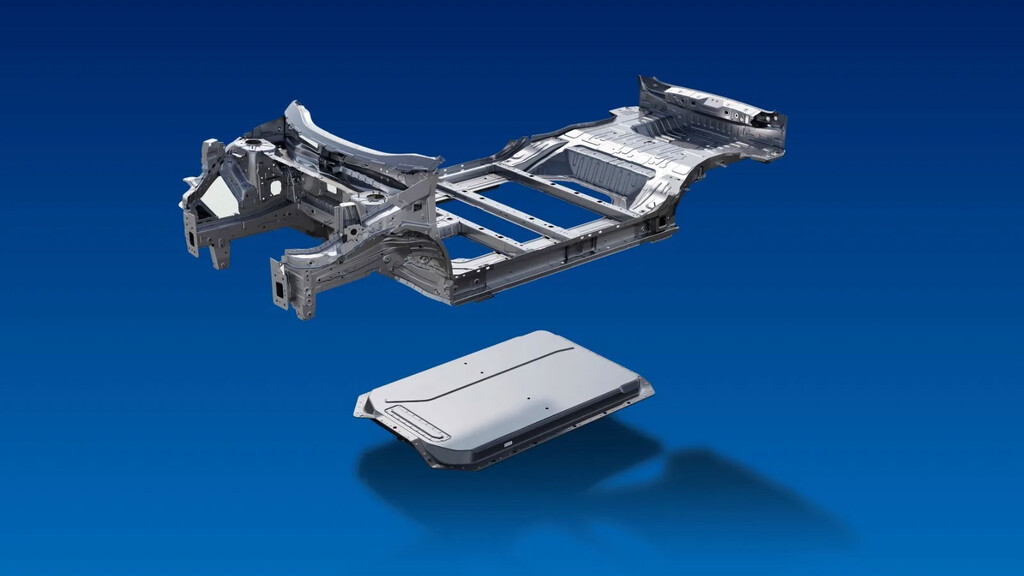
The Blade Battery is one of the safest batteries on the market thanks to its LFP chemistry and structural design, which reduces the risk of fire even under extreme conditions. Unlike other technologies, it maintains great thermal stability and has proven to withstand critical tests without combustion.
Beyond the chemistry, its construction makes the difference:
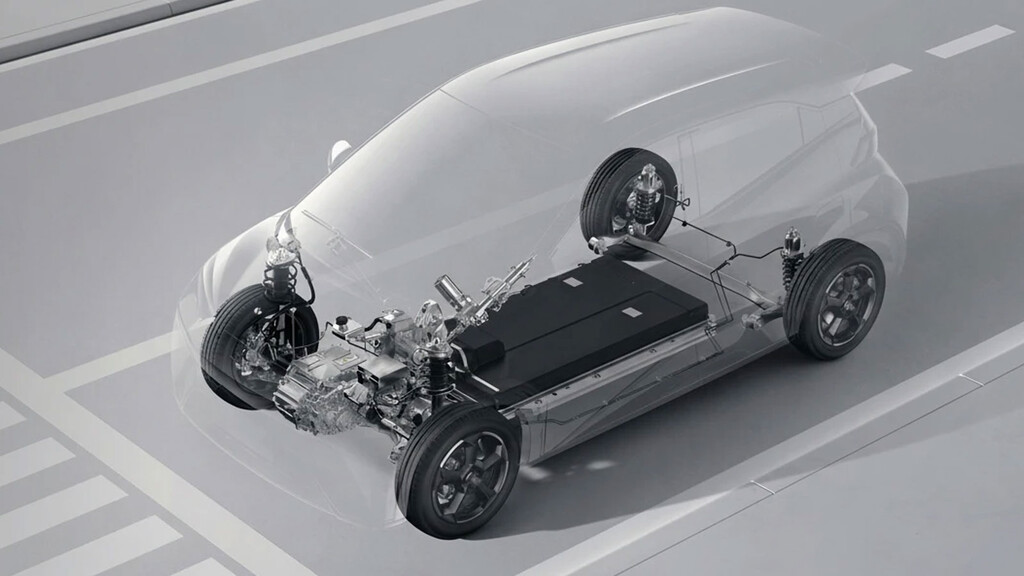
- Longer cells arranged in a blade-like shape, which increases energy density and structural rigidity.
- Space efficiency: the cells serve as load-bearing members, reducing the need for additional reinforcement.
- Enhanced safety: the LFP chemistry is more thermally stable and less prone to thermal runaway.
- Durability: the design allows for more charge cycles without significant degradation.
- Cost-effectiveness: LFP batteries are cheaper to produce, making EVs more affordable.
This type of battery is present in BYD's battery electric vehicles (BEVs) and plug-in hybrids (DM-i), such as the new models.
Cell to Body (CTB) Technology: Structural Integration
Cell to Body (CTB) is an evolution of the Blade Battery concept. Instead of mounting the battery pack under the floor, the cells are integrated directly into the vehicle's body structure. This makes the battery a structural element, improving rigidity and safety.
CTB technology offers several advantages: it increases torsional stiffness, which enhances handling and crashworthiness; it reduces weight by eliminating redundant components; and it allows for a lower floor, improving aerodynamics and interior space. In short, CTB makes the vehicle safer, more efficient, and more spacious.
V2L: Vehicle-to-Load Functionality
V2L (Vehicle-to-Load) turns your BYD into a mobile power source. With an adapter, you can use the car's battery to power external devices, from laptops and coffee makers to power tools or camping equipment. This feature is especially useful for outdoor activities, emergencies, or when working remotely.
V2L typically provides up to 3 kW of power, enough to run most household appliances. It's a practical addition that enhances the versatility of electric vehicles, making them more than just transportation.
Flash Charging: Ultra-Fast Charging Explained
Flash charging refers to BYD's ultra-fast charging technology, which can significantly reduce charging times. Depending on the model and charger, it can add hundreds of kilometers of range in minutes. This is made possible by the Blade Battery's ability to handle high charging currents without excessive heat buildup. The longer history behind the story is traced in BYD Technology Explained: Blade Battery, V2L, and Cell to Body.
Flash charging is a game-changer for long trips, as it minimizes downtime and makes electric vehicles more convenient for everyday use. However, it requires compatible high-power charging infrastructure, which is expanding rapidly. The background to this story is set out in BYD Blade Batteries Power Industrial Trains in New Deal. A related thread runs through Vending Machine Innovations: What Should Be Sold Next?. Earlier coverage in Flash Charging Stations Could Transform EV Charging shows how the argument developed.
Comparison of BYD Technologies
| Technology | Key Benefit | Typical Application |
|---|---|---|
| Blade Battery | High safety, durability, and space efficiency | All BYD EVs and PHEVs |
| Cell to Body (CTB) | Increased rigidity, reduced weight, more interior space | Newer BEV models |
| V2L | Power external devices on the go | Selected models |
| Flash Charging | Ultra-fast charging, reduced downtime | Compatible with high-power chargers |
Why These Technologies Matter When Buying a BYD
Understanding these technologies helps you evaluate what you're paying for. The Blade Battery offers peace of mind regarding safety and longevity. CTB enhances driving dynamics and efficiency. V2L adds practicality, and flash charging reduces range anxiety. Together, they make BYD vehicles competitive in the EV market. A closer look at the same subject appears in Hurricane Isaias Evacuation: Essential Safety Information. Anyone following the wider picture can start with Trending: latest articles. The same theme surfaces in Volvo EX60 Fast Charging: 340 km in a Coffee Break, which takes a different angle.
When comparing models, consider which features align with your needs. If you often travel long distances, flash charging and range are crucial. If you enjoy outdoor activities, V2L is a valuable addition. For families, the safety and space benefits of CTB and Blade Battery are key. Context on how this played out before sits in Wireless Charging Desk for Cell Phones!. A companion piece, Silicon-Carbon Batteries in Phones: 6 Models With 3-Day Battery Life, approaches the same subject from another angle.
FAQ
What is the Blade Battery and why is it considered safe?
The Blade Battery is BYD's lithium iron phosphate (LFP) battery with a unique blade-shaped cell design. It is considered safe because LFP chemistry is thermally stable and the structural design reduces the risk of fire even under extreme conditions, as demonstrated in nail penetration tests.
What does V2L mean in a BYD vehicle?
V2L stands for Vehicle-to-Load. It allows you to use the vehicle's battery to power external devices via an adapter, providing up to 3 kW of power for tools, appliances, or electronics.
How fast is flash charging on BYD vehicles?
Flash charging can add significant range in a short time, depending on the model and charger. For example, some BYD models can charge from 30% to 80% in around 30 minutes using a high-power DC charger.
What is Cell to Body technology?
Cell to Body (CTB) integrates the battery cells directly into the vehicle's body structure, making the battery a structural component. This increases rigidity, improves safety, reduces weight, and allows for more interior space.
Browse the Shop
 Acacia frida deluxe solid wood bed frame |
Bedroom bench |
Bed chest drawers |
Lingerie dresser |
Frame base |
Mirror with jewelry storage |
30 Bathroom Vanity |
Memory foam queen mattress |
Mattresses for back pain |
Nightstand set of 2 |
Grand Goldman Shop |
Civil Lawyer
Deutschland Trikot WM 2026







