

The Catholic Monarchs' state brothel network in Granada was a strategic tool to pacify their newly conquered territories and reward loyal captains. After the successful campaign of 1486 and the conquest of Loja, Baza, Málaga, and Almería by 1492, Ferdinand and Isabella granted the rents of the brothels of the Kingdom of Granada to Captain Alonso Yáñez Fajardo, known as "El Granadino." This reward was not just a token of gratitude but a calculated move to control and profit from the sex trade in a volatile region.
Fajardo, a bastard son of the warden of Lorca, accumulated many titles: bachelor, knight captain, royal captain, and perpetual councilor. But his most lucrative role was that of "putero mayor del reino"—chief brothel manager of the realm. His management, often through administrators who allowed various abuses, was sanctioned by the Court, highlighting the monarchy's pragmatic approach to governance.
Find Original, High-end Home Decor that spark conversation at Grand Goldman Shop.
The Strategic Use of Brothels in Reconquista Spain
During the Reconquista, the Catholic Monarchs faced the challenge of integrating conquered Muslim populations and securing their domains. Brothels, or mancebías, were common in medieval cities, but the Crown sought to regulate them to maintain order and generate revenue. By granting monopolies to trusted figures like Fajardo, the monarchy could control these establishments and use them as instruments of social control.
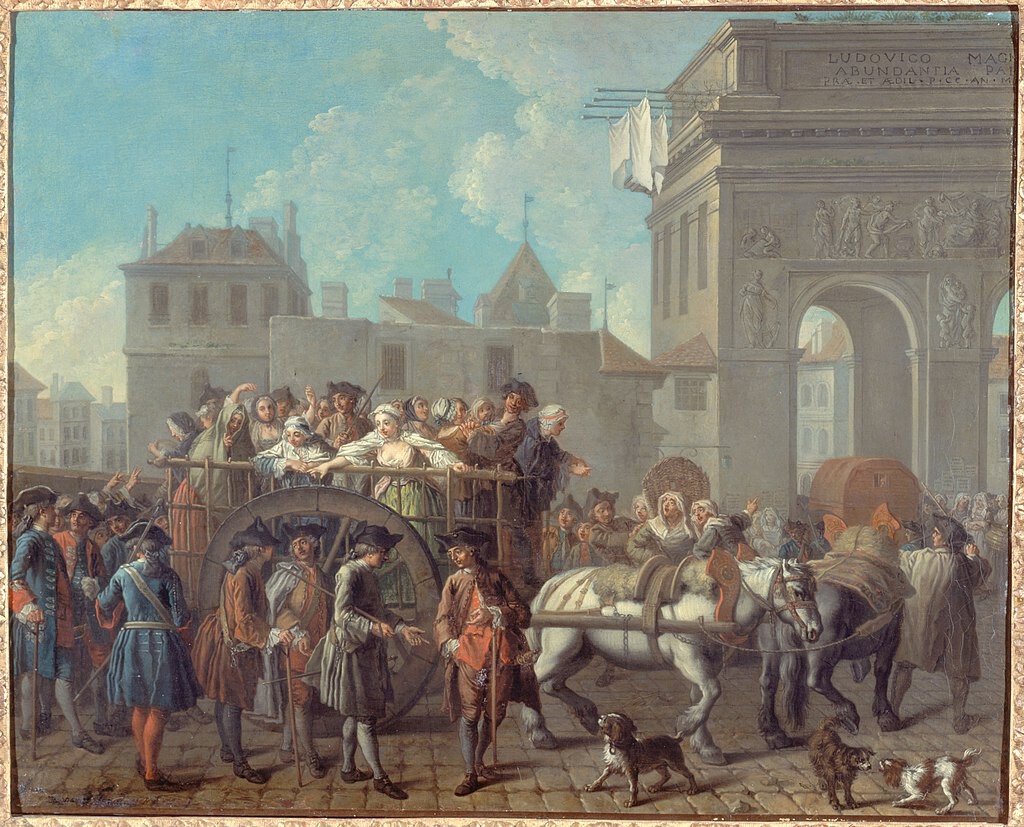
The brothels served multiple purposes: they provided a regulated outlet for soldiers and settlers, reduced sexual violence, and generated income for the Crown. Moreover, they were often located in strategic areas to attract Christian settlers and stabilize frontier towns. This approach was part of a broader policy of repoblación and pacification.
Alonso Yáñez Fajardo: The Captain Turned Brothel Lord
Fajardo's career illustrates how military service could translate into economic rewards. His involvement in key sieges earned him the trust of the monarchs, who then granted him the brothel rents. Over time, his name became synonymous with the sex trade, earning him nicknames like "señor de las putas" (lord of the whores) and "Fajardo Putero." His story is a testament to the intertwining of war, governance, and vice in early modern Spain.
Despite his notoriety, Fajardo's management was not unique; many nobles and officials profited from brothels. However, his case stands out because of the explicit royal grant and the scale of his operations, which spanned the entire Kingdom of Granada.
How the Brothel Network Operated
The brothels were typically managed by administrators who reported to Fajardo. These administrators were responsible for day-to-day operations, including collecting fees and maintaining order. The Crown received a share of the profits, often through a tax farm system. This arrangement allowed the monarchy to benefit financially without direct involvement in the management of prostitution.
However, the system was rife with abuse. Administrators often exploited the women and ignored regulations, leading to complaints and occasional crackdowns. Yet, the Crown largely turned a blind eye as long as revenues flowed. This laissez-faire approach was typical of the period, where moral concerns were often secondary to fiscal and political expediency. Context on how this played out before sits in Catholic Monarchs' State Brothel Network in Granada. A companion piece, 5,000 Years of Human Civilization in One Chart: Eternal Empires, approaches the same subject from another angle.
Key Takeaways
- The Catholic Monarchs used brothel networks as a tool for social control and revenue generation after the conquest of Granada.
- Alonso Yáñez Fajardo was rewarded with brothel rents for his military service, becoming a notorious figure in the process.
- Brothels were managed through administrators who often abused their power, with the Crown prioritizing profit over regulation.
- The system reflected broader patterns of governance in early modern Spain, where pragmatism trumped morality.
- Fajardo's legacy endures in popular memory, illustrating the blurred lines between war, politics, and vice.
Comparison of Brothel Management Models
| Aspect | Royal Grant to Fajardo | Municipal Brothels |
|---|---|---|
| Ownership | Crown grants monopoly to a noble | City council controls |
| Revenue | Shared between Crown and grantee | Direct to city coffers |
| Regulation | Minimal, often abused | More structured, with ordinances |
| Duration | Often lifelong or hereditary | Subject to renewal |
| Geographic scope | Entire kingdom (e.g., Granada) | Single city |
The comparison shows that royal grants like Fajardo's were more extensive and less regulated than municipal brothels, which were common in other parts of Europe. This centralized approach allowed the Crown to maximize revenue but also led to greater abuses. The background to this story is set out in Trending: latest articles. A related thread runs through SS Yongala: The 1911 Shipwreck That Became a Thriving Reef.
The Legacy of State-Sanctioned Brothels
The Catholic Monarchs' use of brothels as a political and economic tool had lasting effects on Spanish society. It reinforced the idea that prostitution could be a legitimate source of income for the state, a notion that persisted for centuries. It also contributed to the stigmatization of women in the sex trade, who were often seen as necessary evils. Earlier coverage in Morillo de Tou: The Sunken Pyrenees Village Now a Budget Vacation Paradise shows how the argument developed. A closer look at the same subject appears in Beca MEC 2026/27: Step-by-Step Guide to September Application Process.
Today, historians view these policies as part of a broader strategy of state-building, where morality was subordinate to the interests of the Crown. The story of Fajardo and the brothels of Granada offers a window into the complex realities of early modern governance, where vice and virtue were often intertwined. Anyone following the wider picture can start with Four Humors Theory: Why Ancient Medicine Sometimes Worked. The same theme surfaces in First Nonstop Transatlantic Flight: The 1919 Vickers Vimy, which takes a different angle.
FAQ
Why did the Catholic Monarchs establish a state brothel network?
The Catholic Monarchs established a state brothel network to pacify newly conquered territories, generate revenue, and reward loyal supporters like Alonso Yáñez Fajardo. It was a pragmatic solution to the challenges of governing a diverse and volatile kingdom.
Who was Alonso Yáñez Fajardo?
Alonso Yáñez Fajardo was a captain who served the Catholic Monarchs in the conquest of Granada. As a reward, he was granted the rents of the brothels of the Kingdom of Granada, earning him the nickname "Fajardo Putero."
How did the brothel network operate?
The brothels were managed by administrators who collected fees and maintained order. The Crown received a share of the profits, often through tax farming. However, the system was prone to abuse and lacked effective regulation.
What was the impact of state-sanctioned brothels on Spanish society?
State-sanctioned brothels reinforced the idea that prostitution could be a legitimate source of state income. They also contributed to the stigmatization of women in the sex trade and reflected the prioritization of fiscal and political interests over moral concerns in early modern Spain.
Browse the Shop
 Acacia frida deluxe solid wood bed frame |
Bedroom bench |
Bed chest drawers |
Lingerie dresser |
Frame base |
Mirror with jewelry storage |
30 Bathroom Vanity |
Memory foam queen mattress |
Mattresses for back pain |
Nightstand set of 2 |
Grand Goldman Shop |
Civil Lawyer
Deutschland Trikot WM 2026







