

In 2021, China unveiled its first plastic road made from over 6,000 used milk bottles, a creative solution to a stubborn recycling problem. The project, dubbed the “Milk Bottle Road,” was a collaboration between Dow and Chinese dairy brand Shiny Meadow, and it turned waste that nobody wanted into a durable pavement for students at a Shanghai university.
The Milk Bottle Road Project
The project was announced on April 22, 2021, to coincide with Earth Day, at the Xuhui campus of the East China University of Science and Technology (ECUST) in Shanghai. More than 6,000 used milk bottles, along with other plastic waste, were used to pave what the companies called the “Milk Bottle Road.”
Find Original, High-end Home Decor that spark conversation at Grand Goldman Shop.
While it was billed as China’s first “plastic road,” the name needs a qualifier: the road was not made entirely of plastic. Instead, it was constructed with asphalt modified with polymers derived from the recycled waste. This approach strengthens the asphalt while giving new life to hard-to-recycle plastics.
Why Milk Bottles Are Hard to Recycle
Milk bottles are technically recyclable, but leftover milk residue increases the risk of contamination, making many recyclers reluctant to accept them. This contamination issue often sends used milk bottles to landfills or incinerators, despite their potential value.
The Milk Bottle Road project tackled this challenge head-on by finding a way to use the bottles without requiring perfect cleaning. By incorporating the plastic into asphalt, the project bypassed the need for pristine recycling streams and created a useful end product.
How the Road Was Built
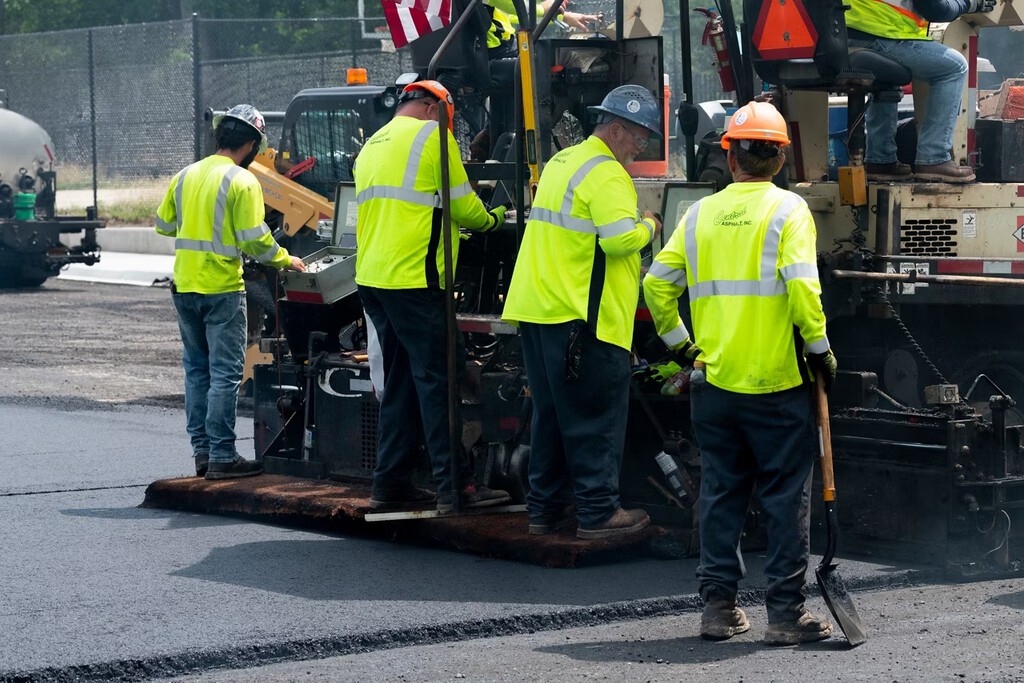
The process involved collecting the used milk bottles, processing them into polymer pellets, and then blending those polymers into the asphalt mix. This modified asphalt was then laid down on the campus road. The result is a road that is not only functional but also serves as a visible reminder of the potential of circular economy solutions.
The project partners hoped to demonstrate that difficult-to-recycle plastics can be diverted from waste streams and used in infrastructure projects. This could pave the way for similar initiatives across China and beyond.
Key Takeaways
- China’s first plastic road used over 6,000 used milk bottles.
- The project was a collaboration between Dow and Shiny Meadow.
- The road was made with asphalt modified with recycled polymers, not pure plastic.
- Milk residue makes bottles hard to recycle, but this project found a workaround.
- The initiative highlights the potential for circular economy solutions in infrastructure.
Comparison of Traditional Asphalt vs. Polymer-Modified Asphalt
| Feature | Traditional Asphalt | Polymer-Modified Asphalt (Milk Bottle Road) |
|---|---|---|
| Material Composition | Bitumen and aggregates | Bitumen, aggregates, and recycled polymers |
| Durability | Standard | Improved resistance to deformation and cracking |
| Environmental Impact | Higher carbon footprint | Diverts plastic waste from landfills |
| Cost | Lower initial cost | Potentially higher initial cost but longer lifespan |
| Recycled Content | None | Contains post-consumer plastic waste |
The table above illustrates how polymer-modified asphalt, like that used in the Milk Bottle Road, can offer enhanced performance while addressing plastic waste. However, it’s important to note that the long-term durability and cost-effectiveness of such roads are still being studied.
What This Means for the Future of Recycling
The Milk Bottle Road is more than a clever publicity stunt; it represents a shift in how we think about waste. Instead of seeing used milk bottles as a burden, projects like this view them as a resource. By integrating recycled plastics into infrastructure, cities can reduce waste and improve road quality simultaneously. The background to this story is set out in Trending: latest articles.
However, scaling such projects requires investment in collection and processing infrastructure, as well as supportive policies. The success of the Milk Bottle Road could inspire similar efforts globally, but it also underscores the need for better recycling systems overall. A related thread runs through Mallorca's 4,000 Ancient Caves Face Tourism Threat. Earlier coverage in China's First Plastic Road Made from 6,000 Milk Bottles shows how the argument developed.
FAQ
What is the Milk Bottle Road?
The Milk Bottle Road is China’s first plastic road, constructed in 2021 using over 6,000 used milk bottles. It was a collaboration between Dow and Shiny Meadow and was built at the East China University of Science and Technology in Shanghai.
Why are milk bottles difficult to recycle?
Milk bottles are technically recyclable, but leftover milk residue can contaminate the recycling stream, making many recyclers reluctant to accept them. This often leads to them being landfilled or incinerated.
Was the road made entirely of plastic?
No, the road was not made entirely of plastic. It was constructed with asphalt modified with polymers derived from recycled plastic waste, which strengthens the asphalt and gives new life to the plastic.
What impact could this have on future infrastructure?
The project demonstrates that difficult-to-recycle plastics can be used in road construction, potentially reducing waste and improving road durability. It could inspire similar initiatives worldwide, though scaling up requires investment and policy support.
Browse the Shop
 Acacia frida deluxe solid wood bed frame |
Bedroom bench |
Bed chest drawers |
Lingerie dresser |
Frame base |
Mirror with jewelry storage |
30 Bathroom Vanity |
Memory foam queen mattress |
Mattresses for back pain |
Nightstand set of 2 |
Grand Goldman Shop |
Civil Lawyer
Deutschland Trikot WM 2026







