

If your coffee maker is producing rancid, bitter, or burnt-tasting coffee despite using fresh, specialty beans, the culprit is likely hidden inside the machine. Accumulated oxidized coffee oils and limescale buildup in the internal pipes are common problems that affect flavor and can lead to costly repairs. Cleaning your coffee maker regularly is not just about hygiene—it's the key to preserving the perfect crema and avoiding breakdowns that can set you back hundreds of euros.
Why Your Coffee Tastes Bad: The Hidden Culprits
Even if you buy expensive specialty coffee and adjust your grind meticulously, a dirty machine will ruin the taste. Oxidized coffee residues turn rancid, and limescale alters the water's mineral balance, leading to off-flavors. Over time, these deposits clog the internal components, reducing performance and potentially causing malfunctions.
Find Original Home Decor sparking conversation at Grand Goldman Shop.

Regular cleaning removes these deposits and keeps your machine running smoothly. But not all cleaning methods are effective—some common household products can actually damage your appliance.
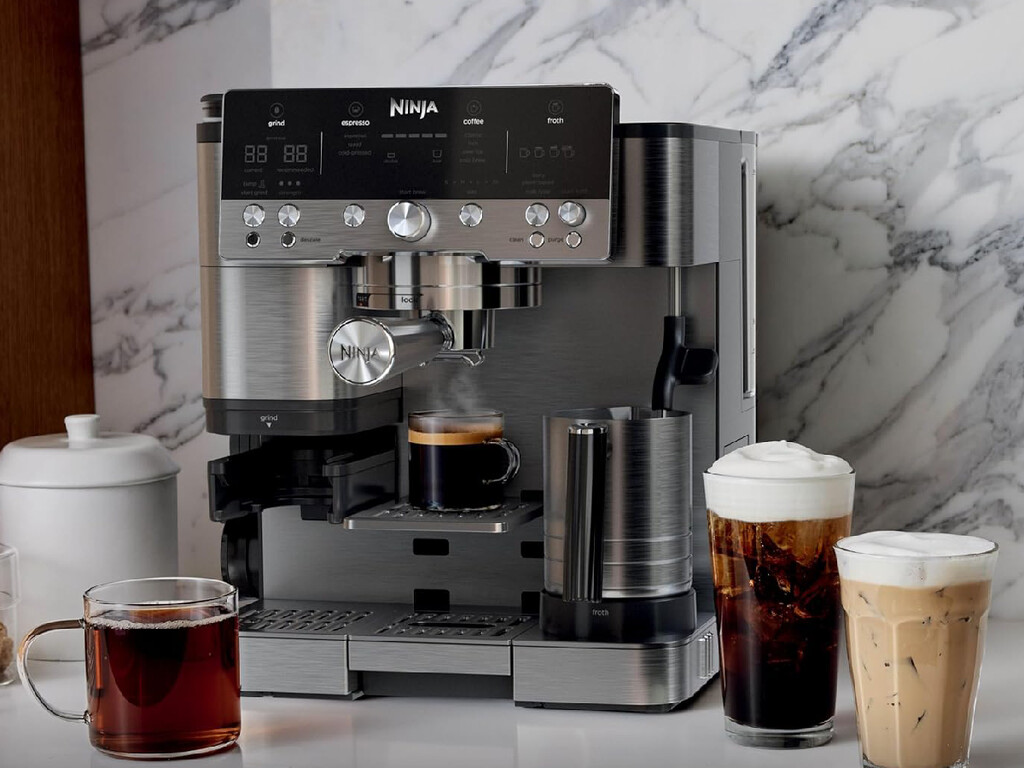
The Definitive Cleaning Kit for Your Coffee Maker
To thoroughly clean your coffee maker, you need the right tools. A complete cleaning kit typically includes a descaler, a specialized brush, and cleaning tablets. These products are designed to tackle different types of buildup without harming your machine.
Descaler for Automatic Coffee Machines
Limescale is the enemy of any coffee maker. A high-quality descaler, such as Philips Saeco CA6700/10 (250 ml, pack of 4), effectively dissolves calcium deposits. Regular descaling maintains water flow and temperature, ensuring optimal extraction.
Cleaning Brush with Scraper
A brush with a scraper (e.g., original code 5513211891) helps remove coffee residues from hard-to-reach areas, like the brew group and gaskets. This mechanical cleaning is essential for preventing mold and bacteria growth.
Cleaning Tablets
Cleaning tablets, like WoldoClean (40 units), are convenient for deep cleaning the brewing unit. They remove coffee oils and residues that water alone can't eliminate. Use them according to your machine's instructions, typically monthly.
- Descale every 2-3 months (or as indicated by your machine) to prevent limescale buildup.
- Clean the brew group weekly with a brush and rinse under warm water.
- Use cleaning tablets monthly to remove coffee oils and residues.
- Avoid vinegar as it can damage seals and leave residual odor.
- Always follow the manufacturer's instructions for your specific model.
The Cleaning Trick That Works
The definitive trick to restoring your coffee maker's performance is a thorough descaling followed by a cleaning cycle with tablets. Start by running a descaling solution through the machine as per the manual. Then, use a cleaning tablet in the brew group to remove oils. Finally, rinse thoroughly with fresh water.
This combination tackles both limescale and organic residues, ensuring no hidden buildup remains. Regular maintenance with this method will keep your coffee tasting fresh and extend the life of your machine. The background to this story is set out in Best Supermarket Maple Syrup: Top Picks for Flavor and Value. A related thread runs through Kid London W1 Restaurant Review: A Perfect Balance of Flavor. Earlier coverage in Trending: latest articles shows how the argument developed.
What to Avoid: The Common Mistake
Many people use vinegar to descale their coffee makers because it's cheap and accessible. However, vinegar can be ineffective and even harmful. Its acidic nature can degrade rubber seals and gaskets, leading to leaks. Moreover, the strong odor can linger and affect the taste of your coffee. A closer look at the same subject appears in Ninja Black Friday Deals: Air Fryers, Coffee Makers and Frozen Drink Makers. Anyone following the wider picture can start with Lidl Brings Back Coca-Cola Popcorn and Pizza Makers at Half Price. The same theme surfaces in Lidl Deal: De'Longhi 2-in-1 Coffee Maker Hits Lowest Price, which takes a different angle.
Instead, use a commercial descaler formulated for coffee machines. These products are designed to be effective yet gentle on internal components. Context on how this played out before sits in Espresso Macchiato: Easy Italian Coffee with Velvety Foam in 5 Minutes. A companion piece, Clean Your Coffee Maker Inside: The Definitive Trick to Restore Flavor, approaches the same subject from another angle.
Comparison of Cleaning Methods
| Method | Effectiveness | Safety | Frequency |
|---|---|---|---|
| Commercial descaler | High | Safe for machine | Every 2-3 months |
| Cleaning tablets | High (organic residues) | Safe | Monthly |
| Vinegar | Moderate | Can damage seals | Not recommended |
| Brush cleaning | Moderate (surface) | Safe | Weekly |
Frequently Asked Questions
How often should I clean my coffee maker?
Descale every 2-3 months, clean the brew group weekly, and use cleaning tablets monthly. Follow your manufacturer's recommendations for your specific model.
Can I use vinegar to descale my coffee maker?
It's not recommended. Vinegar can damage rubber seals and leave a lingering odor. Use a commercial descaler instead.
Why does my coffee taste bitter even after cleaning?
Bitter taste can be due to over-extraction, stale beans, or incorrect grind size. Ensure your machine is clean, use fresh beans, and adjust the grind.
What are the signs my coffee maker needs descaling?
Signs include reduced water flow, unusual noises, and a warning light on some models. Coffee may also taste off or have less crema.
Maintaining a clean coffee maker is essential for great taste and machine longevity. Invest in a proper cleaning kit and establish a routine. Your taste buds and wallet will thank you.
Browse the Shop
 Acacia frida deluxe solid wood bed frame |
Bedroom bench |
Bed chest drawers |
Lingerie dresser |
Frame base |
Mirror with jewelry storage |
30 Bathroom Vanity |
Memory foam queen mattress |
Mattresses for back pain |
Nightstand set of 2 |
Grand Goldman Shop |
Civil Lawyer
Deutschland Trikot WM 2026







