

In our Fitbit Air review, we explore a screenless fitness tracker that promises to free you from notifications but ultimately ties you closer to your smartphone. After two weeks of testing, the experience reveals a device with a very specific audience—and some notable trade-offs.
The wearable market has seen screens grow larger, but devices like the Whoop band have proven that some users crave simplicity. The Fitbit Air follows that trend, offering a display-free band that relies entirely on a companion app. But does it deliver the promised disconnect?
Find Original Home Decor sparking conversation at Grand Goldman Shop.

What Is the Fitbit Air?
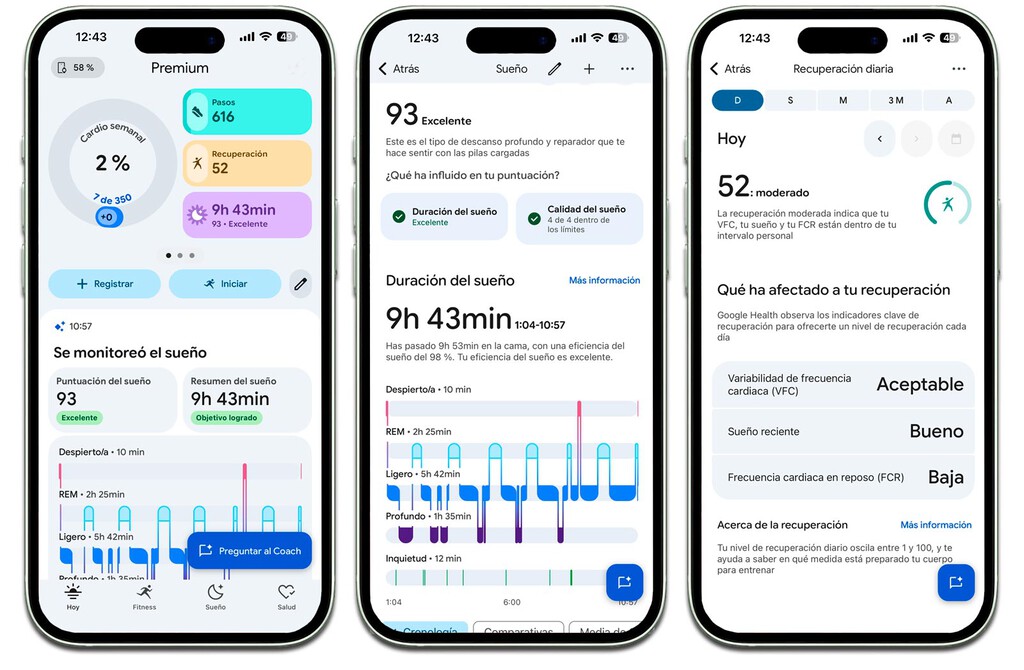
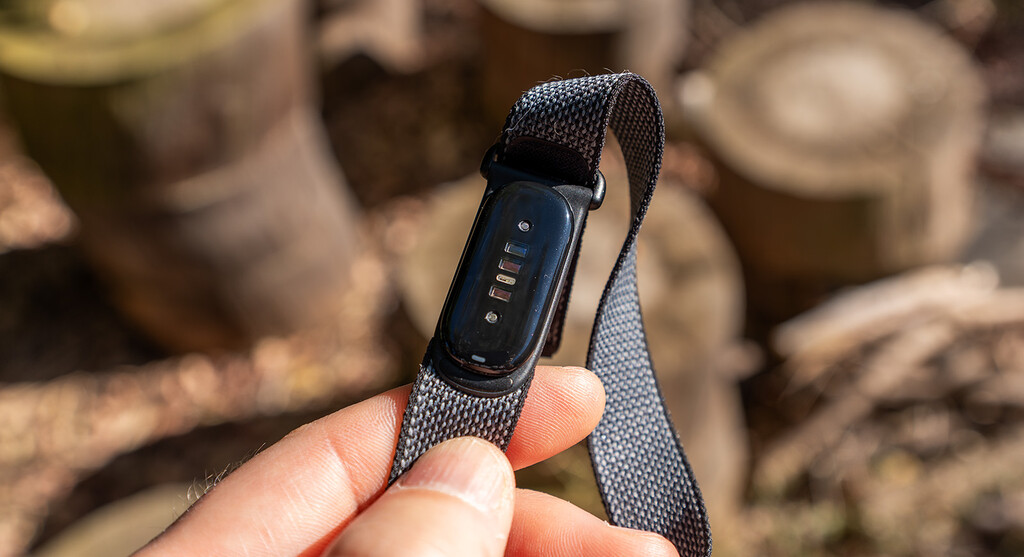
The Fitbit Air is an activity band in the old-school style: no screen, no frills. All your data—steps, heart rate, sleep—lives in the Fitbit app on your phone. It's reminiscent of the original Mi Band, which also required you to check your stats on a mobile device.
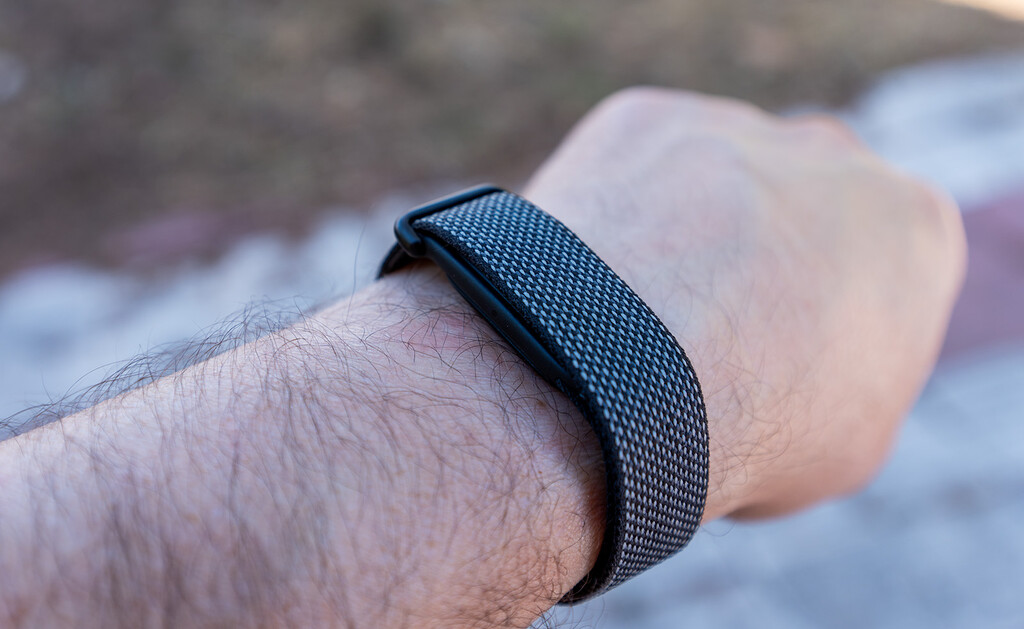
This design choice eliminates distractions from notifications, but it also means you're constantly reaching for your phone to see your progress. For some, that's a dealbreaker.
Key Features and Performance
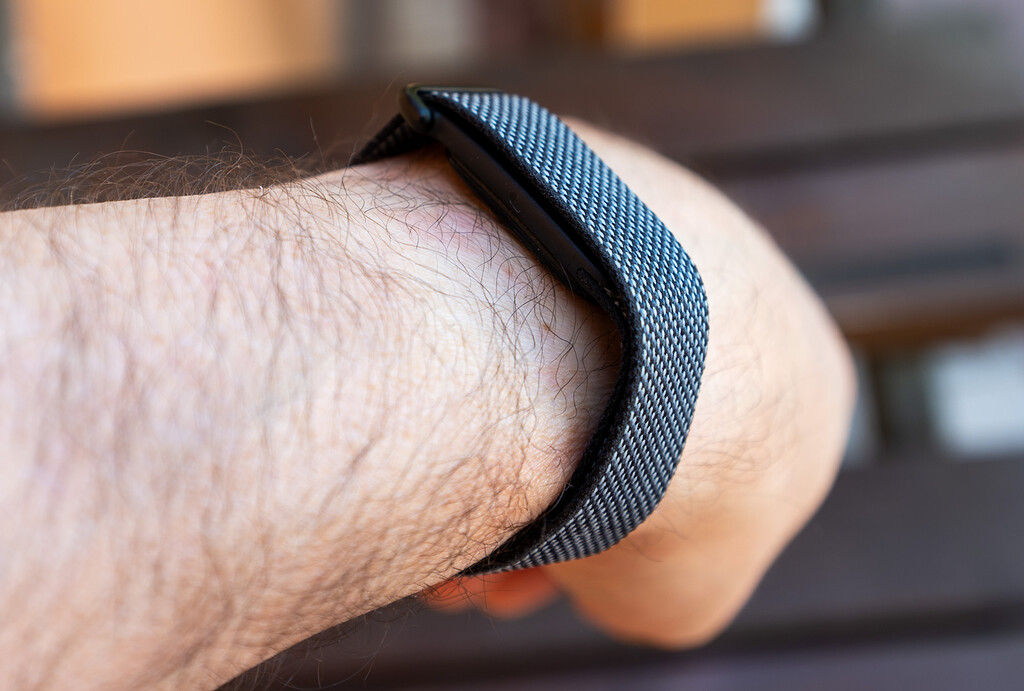
During testing, the Fitbit Air performed well in basic tracking. It accurately counted steps and measured heart rate at rest, though accuracy dipped during high-intensity workouts. The band is comfortable for all-day wear and offers a simple, subscription-free experience for core features.
However, advanced tools like personal coaching, extended insights, and guided workouts are locked behind Fitbit Premium (now part of Google Health Premium). Google clearly took notes from Whoop's subscription model, but the value proposition is less clear for casual users.
What's Missing
Unlike many modern trackers, the Fitbit Air lacks built-in GPS. That means outdoor runs and rides won't be mapped unless you carry your phone. There's also no on-screen coach to guide you through intervals—you'll need to check your phone mid-workout, which defeats the purpose of a screenless device.
In short, the Air doesn't free you from your smartphone; it just frees you from notifications. For many athletes, that's not enough.
Who Should Buy the Fitbit Air?
This band is for a very specific user: someone who wants a gentle nudge to move more and doesn't care about advanced training metrics. If you're a casual walker or someone new to fitness, the Air's simplicity might appeal. But if you're a data-driven athlete or someone who hates being tethered to a phone, look elsewhere.
Our tester, for one, found that the constant need to check the phone made the experience more stressful, not less. The promise of disconnection fell flat.
Comparison: Fitbit Air vs. Whoop vs. Traditional Trackers
How does the Air stack up against its main competitor and a typical screen-based tracker? Here's a quick breakdown. The background to this story is set out in Google Fitbit Air Joins Screenless Wearable Trend Started by Whoop. A related thread runs through Sony REON Pocket Pro Plus: Wearable Air Conditioner Review. Earlier coverage in Oura Ring 4 Review: Four Months of Wearable Health Tracking shows how the argument developed.
| Feature | Fitbit Air | Whoop | Traditional Tracker (e.g., Fitbit Charge) |
|---|---|---|---|
| Display | None | None | Yes |
| GPS | No | No | Often yes |
| Subscription | Optional (Premium) | Required | Optional |
| On-device coaching | No | No | Some models |
| Phone dependency | High | High | Low |
Pros and Cons
Here's a quick summary of what we liked and didn't like.
- Pros: Comfortable, no notifications, solid step and resting heart rate tracking, no subscription required for basics.
- Cons: No GPS, no on-screen coaching, heavy phone reliance, Premium subscription needed for advanced insights.
- Pros: Simple setup and intuitive app.
- Cons: Heart rate accuracy suffers during intense exercise.
- Pros: Long battery life (though not specified, typical for screenless bands).
Final Verdict
The Fitbit Air is a niche device that will satisfy a small group of users who want minimal distractions and basic activity tracking. But for most, the lack of GPS and the constant need to check your phone make it hard to recommend over a traditional tracker or even a smartwatch. A closer look at the same subject appears in Samsung: Patent reveals flip phone we've never seen before. Anyone following the wider picture can start with Trending: latest articles. The same theme surfaces in Fitbit Edge Review: A Lightweight Fitness Tracker for Training, which takes a different angle.
If you're looking to disconnect, this isn't the device. It's a step toward simplicity, but not a leap. Context on how this played out before sits in Garmin CIRQA Takes on Whoop and Google Fitbit With No Screen. A companion piece, Fitbit Air Review: The Screenless Tracker That Keeps You Hooked on Your Phone, approaches the same subject from another angle.
FAQ
Does the Fitbit Air have GPS?
No, the Fitbit Air does not have built-in GPS. To track outdoor workouts, you'll need to carry your phone, which may defeat the purpose of a screenless device for some users.
Is a subscription required for the Fitbit Air?
No, basic activity tracking works without a subscription. However, advanced features like personal coaching and extended insights require Fitbit Premium (Google Health Premium).
Can the Fitbit Air track heart rate accurately?
It measures heart rate accurately at rest, but accuracy may decline during high-intensity exercise. This is common for wrist-based optical sensors.
Who is the Fitbit Air best for?
It's best for casual users who want a simple activity tracker without notifications and don't mind checking their phone for detailed stats. Athletes and data enthusiasts should look elsewhere.
Browse the Shop
 Acacia frida deluxe solid wood bed frame |
Bedroom bench |
Bed chest drawers |
Lingerie dresser |
Frame base |
Mirror with jewelry storage |
30 Bathroom Vanity |
Memory foam queen mattress |
Mattresses for back pain |
Nightstand set of 2 |
Grand Goldman Shop |
Civil Lawyer
Deutschland Trikot WM 2026







