

Kuwait's desert tire graveyard became a visible black spot from space after decades of burying millions of used tires in the sand. What started as a simple waste management solution turned into one of the planet's largest tire cemeteries, forcing the country to undertake a massive cleanup operation.
The story began quietly in the Sulaibiya region, just a few kilometers from residential areas. Year after year, millions of discarded tires piled up in huge excavated pits, growing into mountains of rubber that eventually became impossible to ignore.
Find Original Home Decor sparking conversation at Grand Goldman Shop.

The Rise of a Tire Graveyard
For decades, Kuwait faced a tough waste problem: what to do with the millions of tires its vehicles generated. The answer was straightforward—bury them in the desert. The Sulaibiya site became the dumping ground, and the scale quickly escalated.
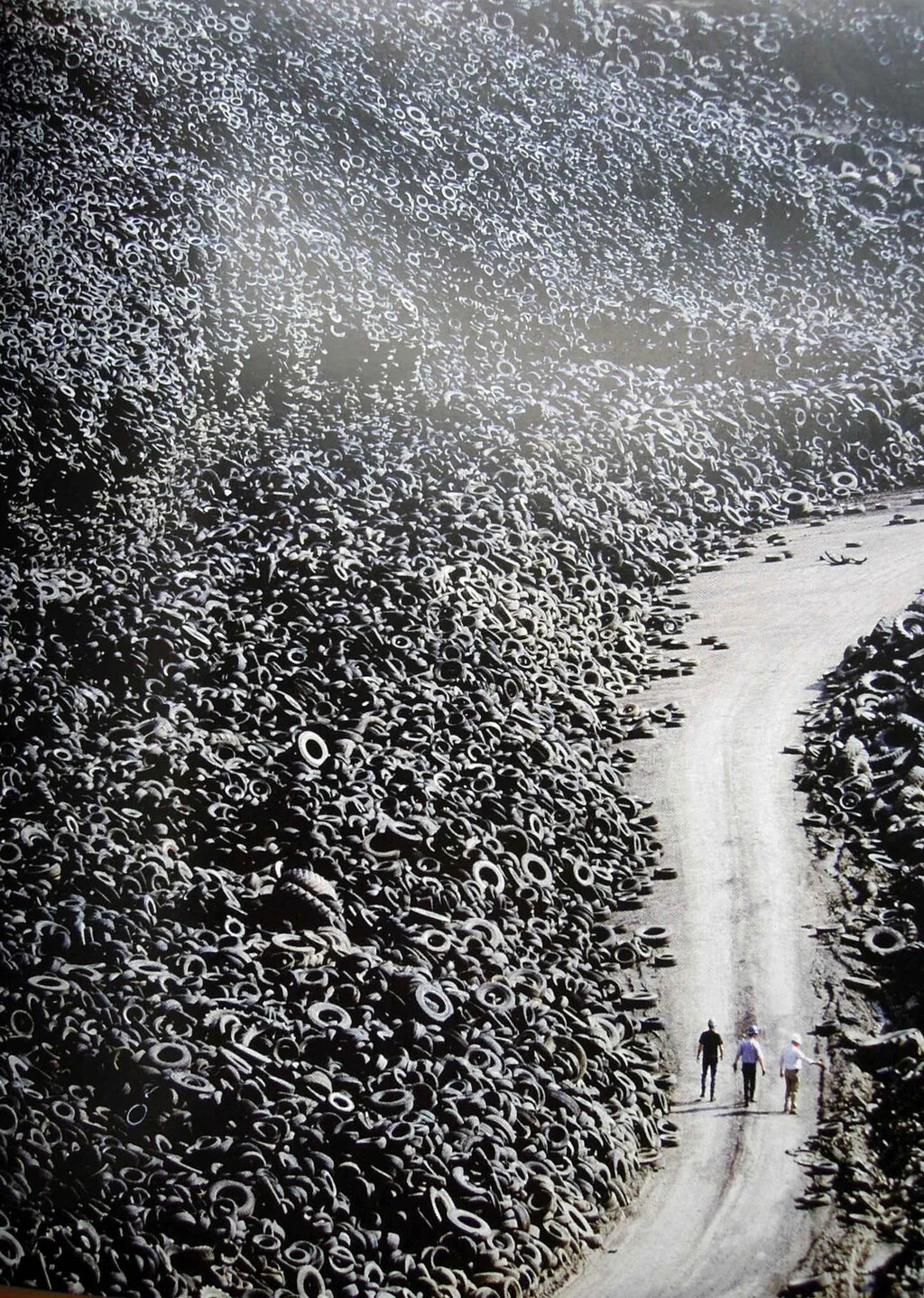
Between 42 and 50 million tires were stacked in the open desert, forming a dark, monstrous stain covering several square kilometers. What was once a logistical fix had become an environmental liability of staggering proportions.
The site was not just an eyesore; it posed real risks. Tire fires are notoriously difficult to extinguish and release toxic smoke, while the rubber heaps provide breeding grounds for pests and rodents. The sheer volume made any cleanup daunting.
Visible From Space: The Satellite Problem
The magnitude of the deposit soon transcended local concerns. From Earth's orbit, the contrast between the desert's light sand and the immense accumulation of black tires made the site perfectly recognizable without zooming in.
Satellite images revealed a sprawling dark patch that could be seen with the naked eye. This visibility turned a national embarrassment into a global symbol of waste mismanagement, drawing attention from environmentalists and media worldwide.
The fact that a human-made waste site could be seen from space underscored the scale of the problem. It was no longer just a local issue but a planetary one, highlighting how improper disposal can have far-reaching consequences.
The Environmental and Health Impacts
The tire graveyard posed multiple threats to the environment and public health. Stockpiled tires are notorious fire hazards; once ignited, they burn for months, releasing harmful chemicals into the air and soil.
Additionally, the piles trap water, creating ideal breeding grounds for mosquitoes and other disease vectors. The leaching of chemicals from rubber into the groundwater was another concern, although the full extent of contamination remains under investigation.
Nearby communities lived with the constant smell and risk of fires. The psychological toll of living near such a massive dump also weighed on residents, who demanded action from authorities.
Kuwait's Cleanup Efforts and Solutions
Facing mounting pressure, Kuwait launched a massive operation to tackle the tire graveyard. The government contracted companies to remove and recycle the tires, aiming to eliminate the visible stain and mitigate environmental risks.
The cleanup involved sorting tires, shredding them for use in construction materials, and exploring energy recovery through controlled incineration. The goal was not just to clear the site but to establish a sustainable tire recycling industry.
Despite progress, challenges remain. The scale of the operation is enormous, and ensuring that new tires are properly managed is crucial to prevent a repeat of the disaster. Kuwait is now investing in recycling facilities and stricter regulations.
Lessons for Global Waste Management
Kuwait's experience serves as a cautionary tale for the world. Burying waste out of sight does not make it disappear; it often creates bigger problems down the line. The visible-from-space tire graveyard is a stark reminder of the consequences of short-term thinking.
Other countries grappling with tire waste can learn from Kuwait's mistakes and its ongoing remediation efforts. Proper recycling infrastructure, public awareness, and strict enforcement are essential to avoid similar situations.
The incident also highlights the power of satellite monitoring in environmental oversight. What was once hidden in the desert became a global emblem of pollution, proving that transparency and technology can drive accountability. The background to this story is set out in Modular Tire Design Cuts Waste: Spanish University Innovates. A related thread runs through Trending: latest articles. Earlier coverage in Atacama Desert's 39,000-Ton Clothing Mountain Visible From Space shows how the argument developed.
What to Watch Next
Kuwait's cleanup is still underway, and the success of its recycling initiatives will determine whether the black spot truly disappears. Continued satellite monitoring will show if the site is fully remediated or if new dumps emerge. A closer look at the same subject appears in Over 1,000 Kilos of Trash Found in Picos de Europa Caves. Anyone following the wider picture can start with Farmer Gets 15-Month Suspended Sentence for Mar Menor Brine Dumping. The same theme surfaces in Soviet Water Diversion for Cotton Created the Aralkum Desert, which takes a different angle.
Meanwhile, the global tire waste problem persists. With billions of tires discarded annually, the need for innovative recycling solutions has never been greater. Kuwait's ordeal may spur others to act before their own waste becomes visible from space. Context on how this played out before sits in Brazil's Balbina Dam Flooded the Amazon and Left a Tree Graveyard. A companion piece, Kuwait's Desert Tire Graveyard: A Visible Disaster From Space, approaches the same subject from another angle.
FAQ
How many tires were in the Kuwait tire graveyard?
Estimates suggest between 42 and 50 million tires were accumulated in the Sulaibiya desert site. This massive pile created a dark patch several square kilometers in size.
Why was the tire graveyard visible from space?
The sheer number of black tires contrasted sharply with the light-colored desert sand, creating a distinct dark spot that satellites could easily capture. The site's size made it recognizable without zooming in.
What is Kuwait doing to clean up the tires?
Kuwait has launched a large-scale operation to remove and recycle the tires. Efforts include shredding tires for construction materials, energy recovery, and developing a domestic recycling industry to prevent future dumps.
What are the environmental risks of tire graveyards?
Tire piles pose severe fire risks, releasing toxic smoke and chemicals. They also create breeding grounds for pests and can leach harmful substances into soil and groundwater, threatening public health and ecosystems.
Browse the Shop
 Acacia frida deluxe solid wood bed frame |
Bedroom bench |
Bed chest drawers |
Lingerie dresser |
Frame base |
Mirror with jewelry storage |
30 Bathroom Vanity |
Memory foam queen mattress |
Mattresses for back pain |
Nightstand set of 2 |
Grand Goldman Shop |
Civil Lawyer
Deutschland Trikot WM 2026







