

A semi-legendary king of the Nile, long thought to be a figure of myth, has been confirmed as a real historical person thanks to a 17th-century Arabic document discovered in a trash dump in Old Dongola, Sudan. The find sheds rare light on the little-known kingdom of Makuria, a Christian Nubian state that thrived along the Nile for nearly a millennium.
Most people associate African history with ancient Egypt, but just to the south, powerful kingdoms with their own kings, cities, and even cathedrals flourished. One of these was Makuria, whose capital, Old Dongola, was a center of power, trade, and culture on the banks of the Nile.
Find Original Home Decor sparking conversation at Grand Goldman Shop.

Makuria: The Forgotten Christian Kingdom of the Nile
While Europe was in the Middle Ages, Old Dongola was a prosperous Christian city that even withstood Arab armies conquering North Africa. Over time, the kingdom declined, became Islamic, and was nearly forgotten beneath the desert sands.
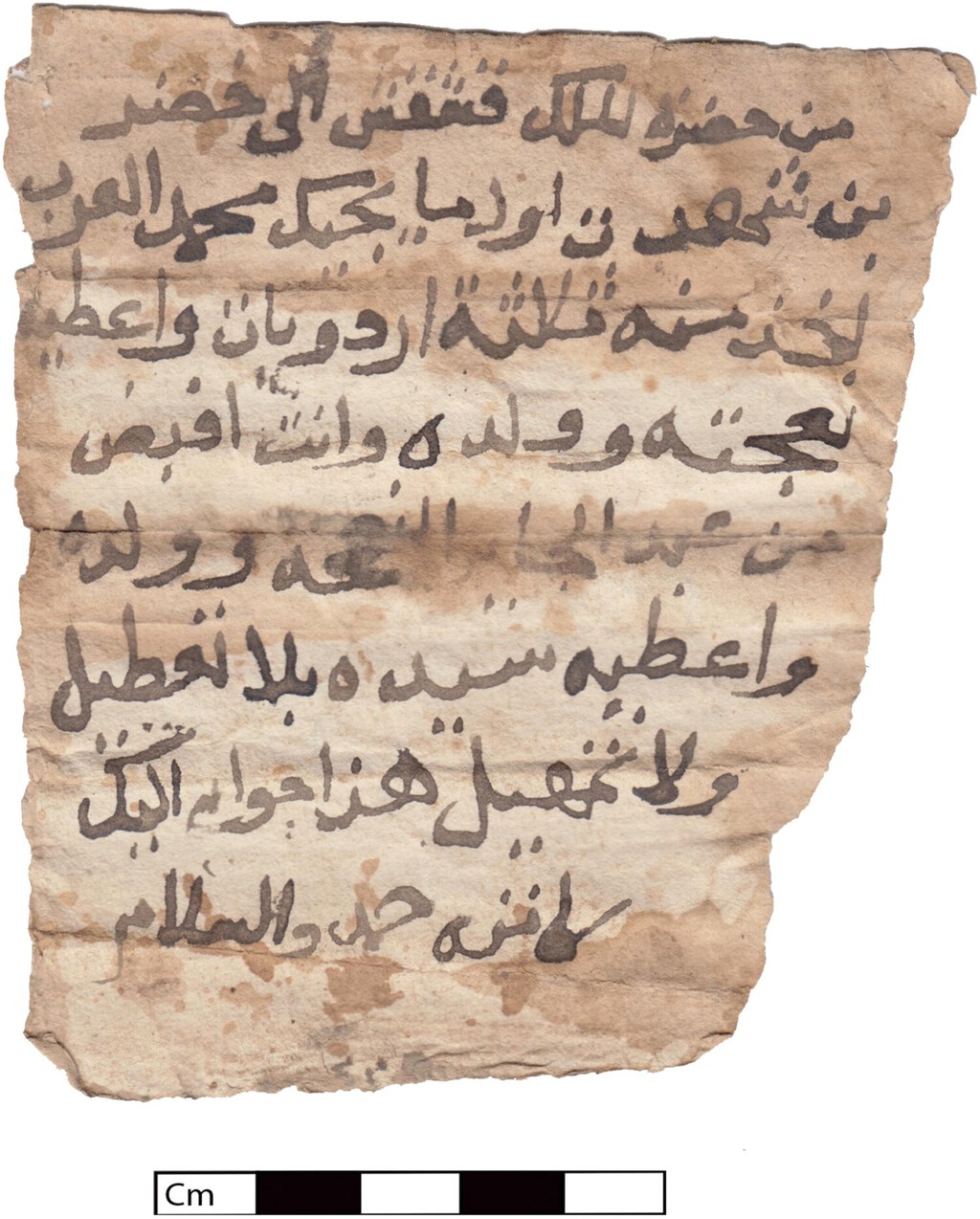
The history of the Nubia region is marked by a near-total documentary silence. It's not that nothing happened—it's that almost nothing was written down, or what was written remained unexcavated. This new discovery begins to fill that void.
The Discovery: A Tiny Document with Huge Implications
The document measures just 10 by 9 centimeters and was found in a trash dump within Building A.1 of the citadel of Old Dongola, in what is now northern Sudan. Despite its small size, it carries enormous historical weight.
This fragment of Arabic paper, recovered from a garbage heap, marks a turning point in our understanding of the region's past. It provides concrete evidence for the existence of a king who was previously known only from legends.
Why This Document Matters
The confirmation of this king's existence is significant because it validates oral traditions and fills a gap in the historical record. It also demonstrates the value of archaeological work in Sudan, where many sites remain unexplored.
- Confirms a semi-legendary figure: The document provides physical evidence that a king previously thought mythical actually ruled.
- Illuminates Makuria's history: It adds a concrete date and context to a kingdom that left few written records.
- Highlights the importance of trash dumps: Ancient garbage often preserves everyday documents that official archives discard.
- Shows the value of Sudanese archaeology: Old Dongola and other sites hold untapped potential for rewriting African history.
- Bridges legend and history: It connects oral traditions with documented evidence, enriching our understanding of Nubian heritage.
What the Document Reveals
The Arabic document, though small, contains information that links the legendary king to a specific historical context. It likely records a transaction, a decree, or a correspondence that mentions the king by name and title.
Such mundane documents are often the most valuable to historians because they provide unvarnished glimpses into daily life and governance. This find underscores how even discarded items can become key historical evidence.
The Broader Context of Nubian History
Makuria was one of several Nubian kingdoms that flourished along the Nile. These kingdoms interacted with Egypt, the Arab world, and sub-Saharan Africa, serving as a bridge between cultures.
Despite their importance, they remain relatively unknown to the general public. Discoveries like this one help bring their story to a wider audience and encourage further research. The background to this story is set out in Satellite Reveals 2,600-Year-Old Mudbrick Building in Egypt's Nile Delta. A related thread runs through Mystery of 17th-Century Shipwreck and Gold Coins Finally Solved. Earlier coverage in Jacobean Music and Masques at Banqueting House: A 17th-Century Party shows how the argument developed.
What to Watch Next
Archaeologists will continue to study the document and its context. Future excavations at Old Dongola and other sites may reveal more about this king and his reign. A closer look at the same subject appears in Dutch Doors: The 17th Century Cooling Solution We Still Use Today. Anyone following the wider picture can start with Francesca Caccini's La Liberazione di Ruggiero Review: 17th-Centu. The same theme surfaces in La Liberazione di Ruggiero Review: 17th-Century Opera Delights, which takes a different angle.
As research progresses, we can expect more insights into Makuria's political structure, economy, and cultural exchanges. Each new find adds a piece to the puzzle of Nubia's rich past. Context on how this played out before sits in Banqueting House DJ Set: 17th Century Music and Masques. A companion piece, La Liberazione di Ruggiero Review: 17th-Century Opera Revival, approaches the same subject from another angle.
FAQ
What is Makuria?
Makuria was a Christian Nubian kingdom that existed from the 4th to the 14th century, with its capital at Old Dongola. It was a powerful state that controlled trade routes along the Nile and resisted Arab expansion for centuries.
Why is this document important?
The document provides the first concrete evidence that a king previously known only from legend actually existed. It helps fill a gap in the historical record of a region with few written sources.
Where was the document found?
It was found in a trash dump within the citadel of Old Dongola, in northern Sudan. The site is being excavated by archaeologists studying the region's past.
How does this change our understanding of Nubian history?
It confirms that oral traditions about this king have a basis in fact, and it highlights the potential for more discoveries in Sudan's archaeological sites. It also underscores the importance of everyday documents in reconstructing history.
Browse the Shop
 Acacia frida deluxe solid wood bed frame |
Bedroom bench |
Bed chest drawers |
Lingerie dresser |
Frame base |
Mirror with jewelry storage |
30 Bathroom Vanity |
Memory foam queen mattress |
Mattresses for back pain |
Nightstand set of 2 |
Grand Goldman Shop |
Civil Lawyer
Deutschland Trikot WM 2026







