

Does madrileñofobia exist in Spain? The viral case of a Galician bar that closed to avoid Madrid tourists has reignited a long-simmering debate about regional prejudice and overtourism.
In 2024, Puerto Martina, a small restaurant in Mera, Galicia, made international headlines—not for its food, but for its decision to close in August to avoid tourists from central Spain. The owners' Facebook post lamented the "prepotencia" of certain visitors and said they were "hartos de los madrileños." The story spread from local news to The Guardian, raising a question that many Spaniards have asked before: is there a real phenomenon of anti-Madrid sentiment?
Find Original Home Decor sparking conversation at Grand Goldman Shop.

What Is Madrileñofobia and Why Is It Trending?
Madrileñofobia loosely translates to "fear or dislike of Madrid and its people." It's not a clinical term but a colloquial label for the perception that madrileños are treated differently—often with suspicion or resentment—when they travel to other regions of Spain.
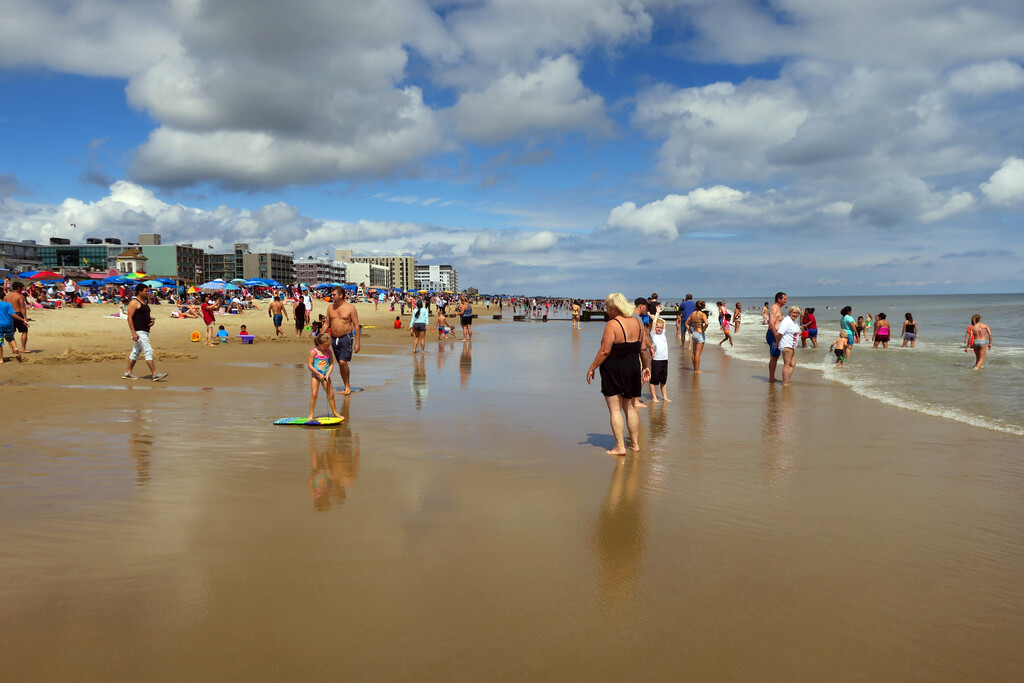
The Puerto Martina episode brought this undercurrent into the open. The bar's owners complained about prepotencia (arrogance) and said they were tired of Madrid tourists. Their post included a sarcastic line: "If a bomb falls on Mera, the Meseta is left without fools." The comment was widely shared and criticized, but it also resonated with some locals who feel overwhelmed by seasonal tourism.
The Data Behind the Perception: 68.5% Feel Treated Differently
Last year, carsharing company Zity conducted a study to measure madrileñofobia. They surveyed over 1,100 people, used INE data, and produced a 31-page report with a humorous tone. The most striking finding: 68.5% of madrileños believe they are treated differently when vacationing in other regions.
That statistic doesn't prove discrimination, but it shows a widespread perception. The report suggests that this feeling is fueled by stereotypes—madrileños are often portrayed as wealthy, arrogant, and oblivious to local customs. Whether or not those stereotypes hold, they shape how both visitors and hosts interact.
Why the Backlash? Overtourism and Regional Stereotypes
The Puerto Martina case is extreme, but it reflects broader tensions. Spain's tourism boom has strained infrastructure and housing in many regions, and Madrid residents are among the most visible domestic tourists. Their spending power and sheer numbers can make them easy targets for frustration.
At the same time, regional identities in Spain are strong. Galicia, the Basque Country, Catalonia, and Andalusia all have distinct cultures and languages. Madrid, as the capital and a cultural melting pot, can feel like an outsider—sometimes unfairly so.
Key Takeaways from the Madrileñofobia Debate
- 68.5% of madrileños feel they are treated differently when traveling in Spain, according to a Zity survey.
- The viral Puerto Martina bar closure in Galicia highlighted tensions between locals and Madrid tourists.
- Stereotypes of madrileños as "prepotente" (arrogant) persist, though they may not reflect reality.
- Overtourism and regional pride contribute to the perception of madrileñofobia.
- The debate is not new, but social media has amplified both incidents and discussions.
How Madrileñofobia Compares Across Spanish Regions
Not all regions experience the same level of tension. Coastal areas and tourist hotspots often see more friction, while rural areas may welcome visitors. The table below summarizes reported attitudes based on anecdotal evidence and the Zity report. Context on how this played out before sits in Madrid Tourism Backlash: Does 'Madrileñofobia' Really Exist in Spain. A companion piece, Jet Ski Debate Intensifies in Spain's Mar Menor Lagoon, approaches the same subject from another angle.
| Region | Perceived Madrileñofobia | Common Stereotype | Tourism Impact |
|---|---|---|---|
| Galicia | High (e.g., Puerto Martina) | Arrogant, loud | Seasonal overcrowding |
| Basque Country | Moderate | Centralist, unaware of local customs | Cultural distinctiveness |
| Catalonia | Moderate to high | Spanish nationalist | Political tensions |
| Andalusia | Low to moderate | Wealthy, demanding | High tourist volume |
| Valencia | Low | Neutral | Popular with domestic tourists |
These perceptions are not uniform, and many madrileños report positive experiences. The Zity study found that younger travelers and those visiting less touristy areas felt less stigma. The background to this story is set out in Bali Run Club Controversy Sparks Tourist Tensions and Backlash. A related thread runs through Trending: latest articles.
What This Means for Travelers and Businesses
For Madrid residents, the debate is a reminder that stereotypes can precede them. Being mindful of local customs and avoiding loud or demanding behavior can help break the cycle. For businesses, the Puerto Martina case shows how quickly a viral post can become an international story—and how polarizing the reaction can be. Earlier coverage in Best Handheld Vacuums: Top Picks from $39 and Buying Guide shows how the argument developed. A closer look at the same subject appears in Why the Future of Mobile Cameras Is Realism, Not Perfect Photos.
The owners of Puerto Martina faced both support and backlash. Some locals praised them for speaking out; others criticized the tone as xenophobic. The bar eventually reopened, but the conversation about madrileñofobia continues. Anyone following the wider picture can start with Huawei Watch D3 Review: Blood Pressure on Your Wrist. The same theme surfaces in Africa's Great Green Wall: 100 Million Trees and Counting, which takes a different angle.
FAQ
What is madrileñofobia?
Madrileñofobia is a colloquial term for prejudice or dislike against people from Madrid. It is not an official condition but a label used to describe perceived discrimination or stereotyping of madrileños in other parts of Spain.
Is madrileñofobia a real phenomenon?
Surveys show that 68.5% of madrileños feel treated differently when traveling in Spain, indicating a widespread perception. However, whether this constitutes actual discrimination is debated, and many madrileños report positive experiences.
What happened at Puerto Martina?
Puerto Martina, a restaurant in Mera, Galicia, announced it would close in August 2024 to avoid Madrid tourists, citing their "prepotencia." The post went viral and sparked a national debate about madrileñofobia and overtourism.
How can Madrid travelers avoid negative stereotypes?
Being respectful of local customs, avoiding loud behavior, and supporting local businesses can help counter negative stereotypes. Many regions welcome respectful visitors, and individual experiences vary widely.
Browse the Shop
 Acacia frida deluxe solid wood bed frame |
Bedroom bench |
Bed chest drawers |
Lingerie dresser |
Frame base |
Mirror with jewelry storage |
30 Bathroom Vanity |
Memory foam queen mattress |
Mattresses for back pain |
Nightstand set of 2 |
Grand Goldman Shop |
Civil Lawyer
Deutschland Trikot WM 2026







