

The Órbigo canal modernization project in León, Spain, was intended to save water, but it has left the historic Presa de la Tierra canal completely dry for over a year. This 500-year-old irrigation system, which had been operating since 1524, now threatens local ecosystems and traditional livelihoods.
The canal, known as the Presa de la Tierra, runs through eight villages in the Órbigo region. Despite its historic role in supporting agriculture and wildlife, it has become a casualty of a public works project designed to improve water efficiency. The result is a stark example of unintended consequences in water management.
Find Original, High-end Home Decor that spark conversation at Grand Goldman Shop.
What Happened to the Presa de la Tierra Canal?
The Presa de la Tierra canal, one of the oldest traditional irrigation systems in the province of León, has been dry for more than a year. The modernization project aimed to save water by updating the infrastructure, but it inadvertently cut off flow to the canal.
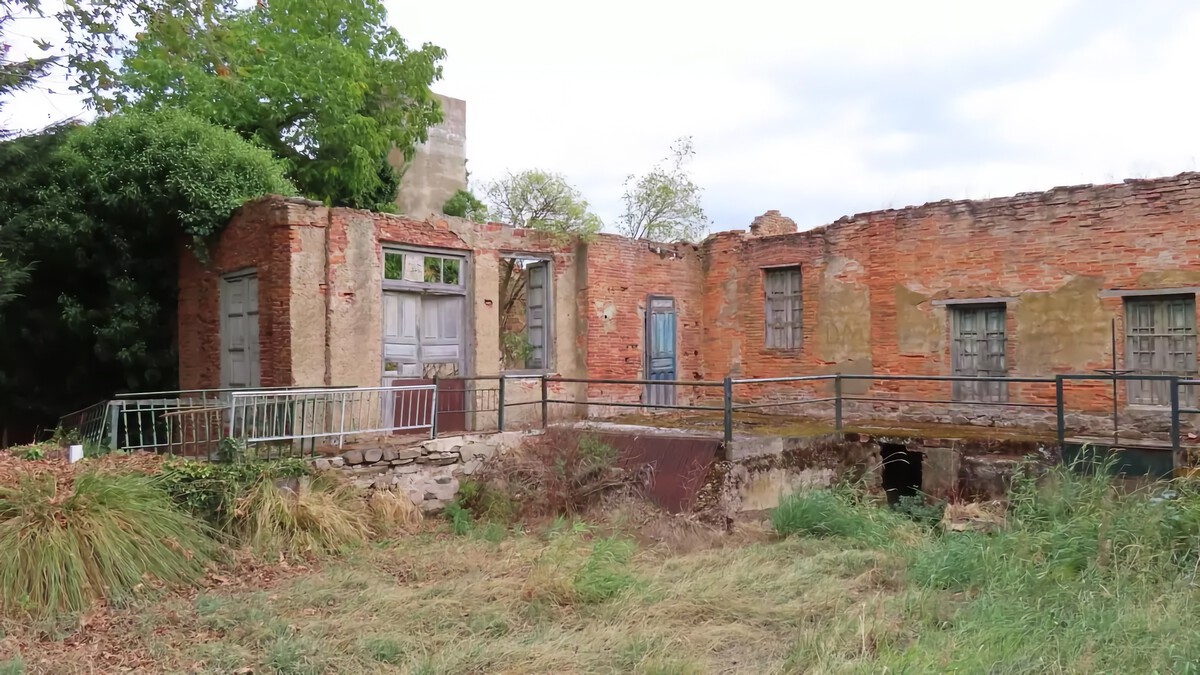
Local residents in Benavides, Gualtares, San Feliz, Villares, Hospital, Villarejo, and Veguellina de Órbigo have been directly affected. These communities have relied on the canal for generations to water their gardens and orchards.
Why the Dry Canal Matters for Wildlife
Eloy Bécares, a professor at the University of León, warns that these canals were not just irrigation channels. In summer, when river levels drop, they served as refuges and corridors for fish and other aquatic species.
The endangered river pearl mussel (Margaritifera margaritifera), found only in northwestern Spain, has already disappeared from the riverside villages. The native crayfish has also vanished, following the same path. This loss of biodiversity is a direct consequence of the canal drying up.
Impact on Local Communities and Agriculture
Residents are now forced to water their gardens by carrying jugs or using hoses from household taps. The orchards have shrunk as people try to economize on the little water they can obtain on their own.
Fruit trees in several plots are completely dry. None of these villages now reaches 3,000 inhabitants; Villarejo de Órbigo, the most populous, has dropped from 3,244 to 2,856 residents, reflecting the broader trend of rural depopulation.
- Historic canal dry for over a year despite being operational since 1524.
- Endangered species lost: river pearl mussel and native crayfish have disappeared from the area.
- Local gardens and orchards are shrinking as residents struggle to find water.
- Population decline continues in villages that depend on the canal.
- Modernization project aimed to save water but caused unintended ecological damage.
What Went Wrong with the Modernization Project?
The modernization project was designed to improve irrigation efficiency, but it failed to account for the canal's role in sustaining local ecosystems. By diverting water elsewhere or reducing flow, the project left the canal dry.
This case highlights the need for integrated water management that considers both human and environmental needs. Experts like Bécares emphasize that traditional irrigation systems provide vital ecological services that modern infrastructure must preserve.
| Aspect | Before Modernization | After Modernization |
|---|---|---|
| Canal flow | Continuous since 1524 | Dry for over a year |
| River pearl mussel | Present in riverside villages | Disappeared |
| Native crayfish | Present | Disappeared |
| Local gardens | Irrigated by canal | Watered by hand or tap |
| Population (Villarejo) | 3,244 | 2,856 |
What to Watch Next for Water Management in Órbigo
The situation in Órbigo raises questions about how water-saving projects are planned and implemented. Local communities and environmental groups are calling for a review of the project to restore flow to the canal. The background to this story is set out in Trending: latest articles.
Authorities may need to balance water efficiency with ecological preservation. The loss of endangered species and the impact on traditional agriculture are clear signals that modernization must be carefully designed to avoid harm. A related thread runs through Hoba Meteorite: Why a 60-Ton Space Rock Left No Crater.
As rural areas continue to face depopulation, projects that undermine local resources can accelerate the decline. The Órbigo case serves as a cautionary tale for other regions considering similar upgrades. Earlier coverage in Meta's Flatter Structure Reversal: Middle Managers Return shows how the argument developed.
FAQ
Why is the Presa de la Tierra canal dry?
The canal is dry due to a public works project aimed at modernizing irrigation and saving water. The project inadvertently cut off flow to the canal, leaving it without water for over a year.
How does the dry canal affect wildlife?
The canal served as a summer refuge and corridor for aquatic species. The endangered river pearl mussel and native crayfish have already disappeared from the area, highlighting the ecological cost.
What are local residents doing for water?
Residents are watering their gardens by carrying jugs or using hoses from household taps. Their orchards have shrunk, and some fruit trees have died due to lack of water.
What can be done to fix the situation?
Experts and locals are calling for a review of the modernization project to restore water flow to the canal while maintaining water-saving goals. Integrated management that considers ecological and human needs is essential.
Browse the Shop
 Acacia frida deluxe solid wood bed frame |
Bedroom bench |
Bed chest drawers |
Lingerie dresser |
Frame base |
Mirror with jewelry storage |
30 Bathroom Vanity |
Memory foam queen mattress |
Mattresses for back pain |
Nightstand set of 2 |
Grand Goldman Shop |
Civil Lawyer
Deutschland Trikot WM 2026










