

Removing shoes before entering a home is a common practice in many countries, but it's not universal. In fact, the world can be roughly divided into two types of countries: those where people take off their shoes at the door and those where they don't. This simple habit reflects deep cultural, practical, and even religious influences.
Understanding these differences can help travelers avoid awkward moments and appreciate the reasoning behind each custom. So, which countries expect you to leave your shoes at the door, and why?
Find Original Home Decor sparking conversation at Grand Goldman Shop.

The Global Map of Shoe Removal
A map from Wikimedia illustrates the divide: green areas indicate countries where removing shoes at home is the norm, while blue areas show where it's not. The pattern is clear: almost all of Asia, North Africa, and Canada fall into the shoe-removal category.
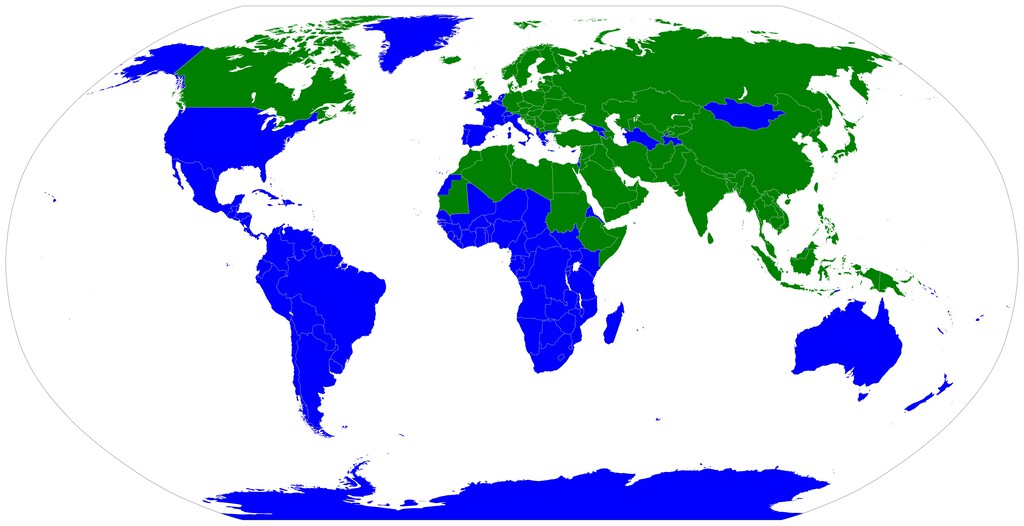
Japan is perhaps the most famous example, but it's far from alone. The custom is multicultural and independent of any single origin.
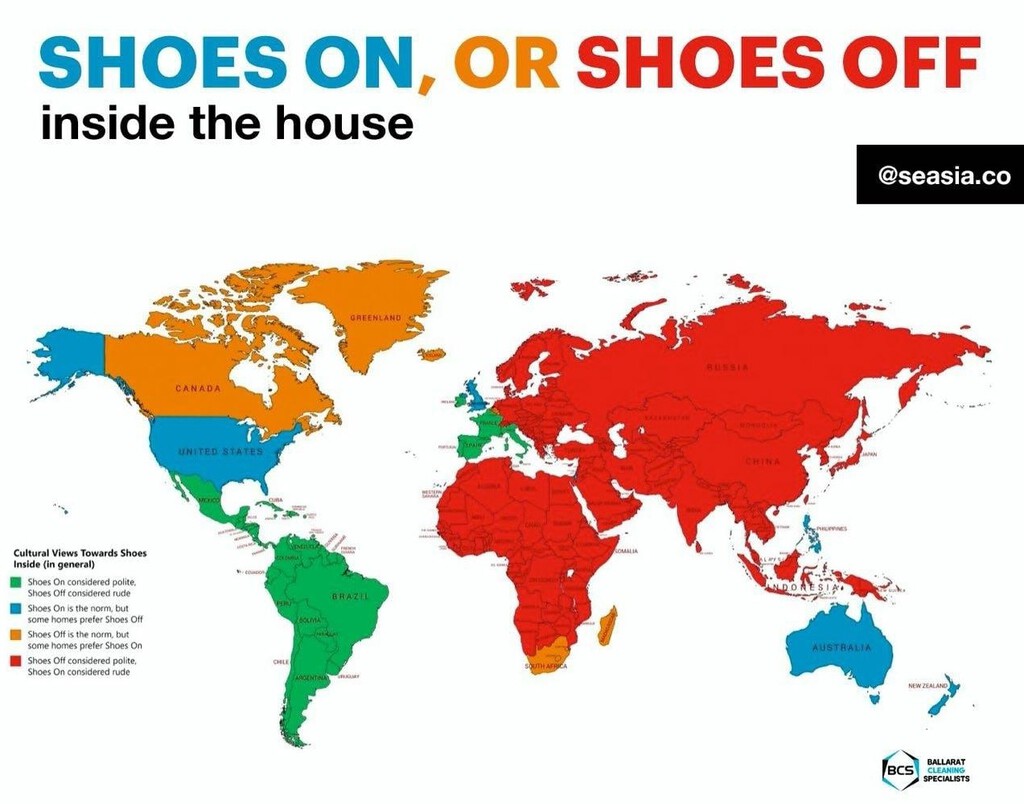
Japan's Genkan: A Sacred Boundary
In Japan, the entryway, or genkan, is more than just a place to leave shoes. It features a step called agari kamachi, which marks the boundary between the dirty outside world and the clean inside world.
This physical division underscores the importance of cleanliness in Japanese culture. Removing shoes is not just polite—it's a ritual that maintains the purity of the home.
Weather and Practicality in Nordic Countries
In Nordic countries, the habit is driven by climate. Tracking mud or snow into the house is simply impractical, so removing shoes becomes second nature.
This practical approach extends to many cold-weather regions, where keeping floors clean is a constant battle against the elements.
Religious Roots in the Middle East
In the Middle East, the custom often has religious underpinnings. The Quran includes verses instructing Moses to remove his sandals in the sacred valley of Tuwa. The longer history behind the story is traced in Shoes Off at the Door: Which Countries Do It and Why.
Such teachings reinforce the idea of removing shoes as a sign of respect and purity, which carries over into daily life. The background to this story is set out in 8 Original shoe racks that you can make to organize your shoes. A related thread runs through DIY Shoe Cabinet: A Clever and Spacious Shoe Storage Solution. Earlier coverage in DIY Shoe Rack: A Fun, Original Shoe-Shaped Storage Solution shows how the argument developed.
Key Takeaways
- Removing shoes at home is common in Asia, North Africa, and Canada.
- Japan's genkan features a step to separate outside and inside.
- Nordic countries remove shoes due to weather and cleanliness.
- Middle Eastern customs often stem from religious teachings.
- Travelers should observe local practices to show respect.
Comparison of Shoe Removal Customs
| Region | Primary Reason | Typical Practice |
|---|---|---|
| Japan | Cleanliness and tradition | Genkan with step |
| Nordic countries | Weather (snow, mud) | Remove at entrance |
| Middle East | Religion | Remove before prayer and at home |
| Canada | Practicality and cleanliness | Remove at door |
| United States | Varies by household | Often keep shoes on |
Why It Matters
Knowing these customs can prevent misunderstandings. If you're visiting a country where shoe removal is expected, follow the lead of your host. It's a small gesture that shows respect for local culture. A closer look at the same subject appears in Trending: latest articles. Anyone following the wider picture can start with Japan's Tourism Survey: What Locals Dislike Most About Visitors. The same theme surfaces in Philips Hue Starter Kit Drops 63% at El Corte Inglés, which takes a different angle.
Moreover, the habit has practical benefits: it keeps floors cleaner and reduces the spread of dirt and germs. So even if you're not in a shoe-removal country, you might consider adopting the practice at home. Context on how this played out before sits in Japan Paramedics Ask Public: Don't Rearrange Our Shoes. A companion piece, Handmade Shoes by Giacomo Fiorello: Old-School Craft & Tools, approaches the same subject from another angle.
FAQ
Which countries remove shoes at home?
Most Asian countries, North African nations, and Canada commonly remove shoes at home. Japan is particularly known for this custom.
Why do Japanese homes have a genkan?
The genkan is a sunken entryway that separates the outside world from the clean interior. It often includes a step to clearly mark the boundary.
Is removing shoes at home required in the Middle East?
It is a common practice, often rooted in religious teachings about purity and respect. Many households expect guests to remove their shoes.
What should I do if I'm unsure about the custom?
Observe what your host does or simply ask. It's better to err on the side of caution and remove your shoes if you see others doing so.
Browse the Shop
 Acacia frida deluxe solid wood bed frame |
Bedroom bench |
Bed chest drawers |
Lingerie dresser |
Frame base |
Mirror with jewelry storage |
30 Bathroom Vanity |
Memory foam queen mattress |
Mattresses for back pain |
Nightstand set of 2 |
Grand Goldman Shop |
Civil Lawyer
Deutschland Trikot WM 2026







