

On April 28, 2025, Spain experienced a massive blackout that silenced routers and darkened screens nationwide. One year later, many Spaniards look back with unexpected nostalgia, recalling the strange relief of being forced to disconnect.
In a world where existence seems validated only through hyperconnection, the initial instinct was chaos. But as the hours passed, a quiet pattern emerged: people began to breathe.
Find Original Home Decor sparking conversation at Grand Goldman Shop.

The Day the Buzz Stopped
The blackout was not a planned event, but it acted as a forced reset. For Belén, who teleworks from a small village in León, there was no transition between light and dark. Her reaction was immediate relief.
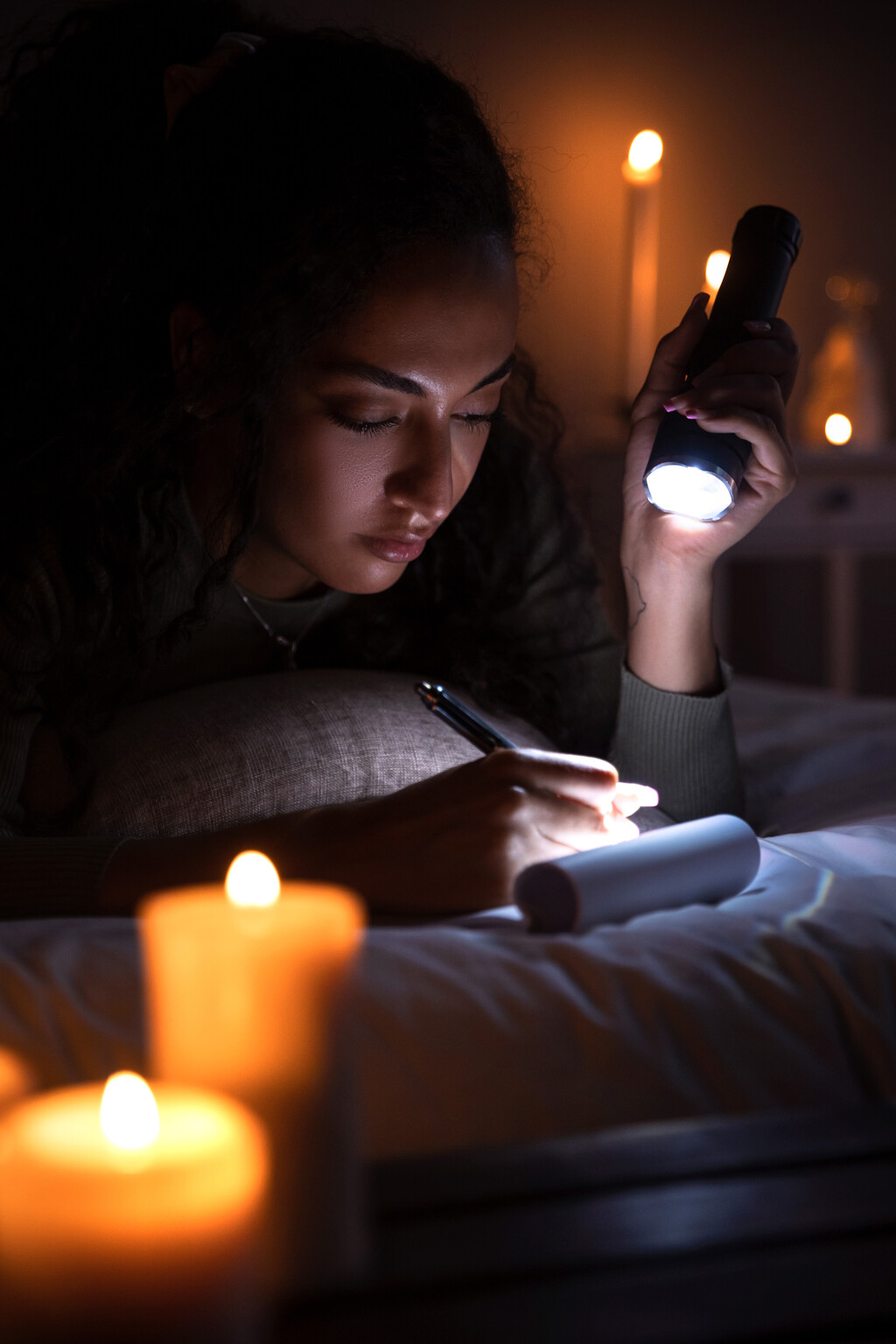
"It was as if I was given a surprise day off; I disconnected mentally at that very instant," she says. Without the obligation to be digitally productive, she felt a huge weight lifted, allowing her to take a long walk where time seemed to flow differently.
Others described similar experiences. The silence of notifications, the absence of screens, and the sudden freedom from the relentless pace of digital life created a space for reflection and genuine human connection.
Why the Blackout Felt Like a Gift
Psychologists and sociologists have long warned about the effects of constant connectivity. The blackout provided an unintentional experiment in mass disconnection.
- Immediate stress reduction: Many reported feeling calmer without the pressure to respond instantly.
- Renewed focus on offline activities: People engaged in hobbies, spent time with family, or simply rested.
- Collective experience: The shared nature of the event fostered a sense of community.
- Reevaluation of priorities: Some reconsidered their relationship with technology and work.
- Nostalgia for simplicity: The blackout evoked memories of a less connected era.
These takeaways highlight a growing desire for balance in an increasingly digital world.
Comparing the Blackout to Normal Days
The contrast between the blackout day and a typical connected day is stark. The table below summarizes key differences based on anecdotal reports and expert analysis.
| Aspect | During Blackout | Normal Day |
|---|---|---|
| Screen time | Near zero | 8+ hours |
| Stress levels | Initially high, then low | Moderate to high |
| Face-to-face interaction | Increased | Limited |
| Sense of time | Slower, more relaxed | Fast-paced, pressured |
| Productivity | Non-digital tasks | Digital-dependent |
This comparison underscores the potential benefits of occasional disconnection.
The Irony of Orwell's Tele-Screens
George Orwell's 1984 depicted a totalitarian state controlling everything through never-ending tele-screens. Today, a year after the blackout, the irony is palpable: the true utopia might be a paternalistic state that pulls the plug nationally.
A forced annual reset—not to oppress, but to save us from our own addiction. The blackout of 2025 was not a disaster for everyone; for many, it was a wake-up call. The longer history behind the story is traced in Silence Maximalists: Why More People Ignore Your WhatsApp Messages.
What We Can Learn from the Great Blackout
The event demonstrated that disconnection is not only possible but can be beneficial. It also revealed how deeply dependent we are on digital infrastructure. The background to this story is set out in Digital Detox: Why Quitting Your Phone Feels So Hard. A related thread runs through Spanish Users Quit WhatsApp and Smartphones for Digital Detox. Earlier coverage in Digital Detox: Why a Temporary Phone Break Doesn't Work shows how the argument developed.
As we move forward, the challenge is to integrate the lessons of the blackout into daily life. Intentional digital detoxes, designated screen-free times, and a reevaluation of work-life boundaries are steps toward a healthier relationship with technology. A closer look at the same subject appears in PlayStation Blackout 2025: Will Kids Leave Their Bedrooms This. Anyone following the wider picture can start with Digital Detox: How to Help Your Stressed Partner Unplug. The same theme surfaces in Spain's Synchronous Compensators: Preventing Another Blackout, which takes a different angle.
For energy utilities, the blackout was a reminder of the fragility of our systems. But for individuals, it was a glimpse of a different way of being. Context on how this played out before sits in Australia Classroom Disruption Worst in World: Digital Detox Needed. A companion piece, Digital Detox Events in Madrid and Barcelona on May 14, approaches the same subject from another angle.
FAQ
What caused the April 28, 2025 blackout in Spain?
The source article does not specify the cause, but it was a nationwide power outage that affected routers and screens across the country.
How did people react during the blackout?
Initial reactions were chaotic, but many soon felt relief and enjoyed the forced disconnection, engaging in offline activities.
Why do some Spaniards feel nostalgic about the blackout?
They remember the unexpected freedom from digital pressures and the sense of community that emerged during the outage.
Could a planned blackout be beneficial?
While not a policy recommendation, the article suggests that occasional disconnection can reduce stress and improve well-being, as experienced by many during the 2025 event.
Browse the Shop
 Acacia frida deluxe solid wood bed frame |
Bedroom bench |
Bed chest drawers |
Lingerie dresser |
Frame base |
Mirror with jewelry storage |
30 Bathroom Vanity |
Memory foam queen mattress |
Mattresses for back pain |
Nightstand set of 2 |
Grand Goldman Shop |
Civil Lawyer
Deutschland Trikot WM 2026







