

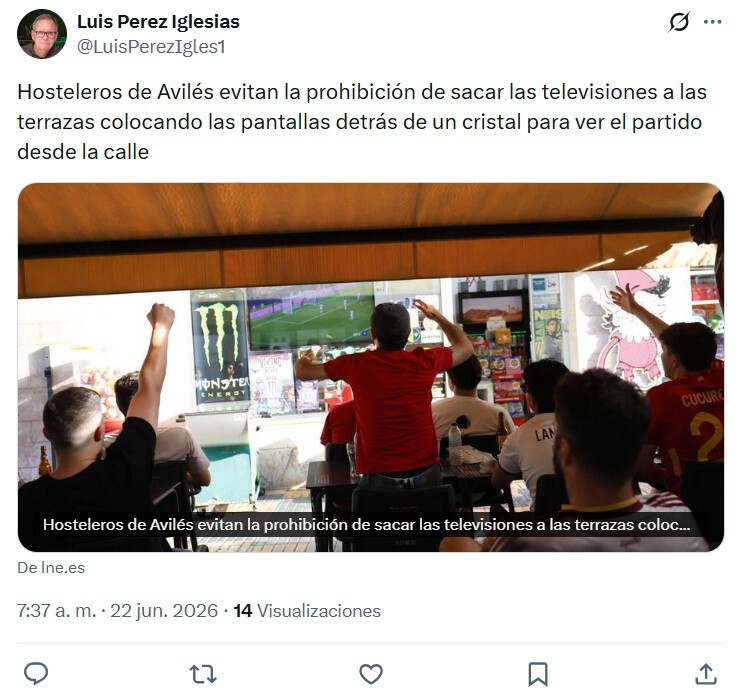
Two towns in Asturias have launched a resistance against an unexpected invader: terrace screens for the World Cup. As Spain gears up for the tournament, bars across the country are seeking permission to place televisions outside to broadcast matches, but not all municipalities are on board. In fact, some councils prohibit the use of screens in outdoor spaces altogether, creating a patchwork of regulations that hospitality businesses must navigate.
Why Terrace Screens Matter for Spanish Bars
Spain is a football-loving nation, and the World Cup is more than just a sporting event—it's a major economic driver for the hospitality sector. The industry association Hostelería de España estimates that businesses broadcasting the tournament could see their revenue jump by 25% to 30% on match days. If 'la Roja' reaches the final, the extra turnover could reach €130 million.
Find Original Home Decor sparking conversation at Grand Goldman Shop.

With such figures at stake, it's no wonder bars are eager to maximize their World Cup offerings. But the path isn't straightforward. While many Spanish cities allow bars to set up TVs on terraces for special events, the requirements vary widely. Some town halls are strict about outdoor screens, citing noise, space, or aesthetic concerns. This inconsistency has led to frustration among business owners who see the World Cup as a crucial lifeline after challenging years.
The Asturian Resistance: A Case Study
In Asturias, two towns have become the focal point of this debate. Local bars, backed by hospitality associations, are pushing back against municipal bans on terrace screens. They argue that the exceptional nature of the World Cup—combined with the summer heat—makes outdoor viewing essential. Without screens, they fear losing customers to neighboring towns with more permissive rules.
The resistance highlights a broader tension between local regulations and economic opportunity. As one bar owner put it, "We're not asking for the moon; we just want to show the game outside so people can enjoy it safely." The outcome in these towns could set a precedent for others facing similar restrictions.
What the Rules Say: A Patchwork of Regulations
Across Spain, the rules on outdoor screens are anything but uniform. Some cities, like Madrid, have streamlined processes for temporary permits during major events. Others, like certain Andalusian towns, have blanket bans on TVs on terraces. The lack of consistency creates confusion and extra costs for businesses that operate in multiple locations.
Adding to the complexity, some councils require bars to apply for special licenses, pay fees, or adhere to strict noise limits. These hurdles can be prohibitive for small establishments. As a result, many bars opt out of showing matches altogether, missing out on the World Cup windfall.
Economic Stakes: The Numbers Behind the Screens
The hospitality sector's optimism is backed by hard numbers. Beyond the 25-30% revenue boost on match days, the World Cup offers a chance to attract new customers and showcase venues. For many bars, it's a marketing opportunity that extends beyond the tournament itself.
Moreover, the sector is still recovering from the pandemic and grappling with changing consumer habits, including reduced alcohol consumption. The World Cup provides a much-needed injection of activity. As Hostelería de España notes, the event can be a "lifeline" for bars that have struggled with rising costs and shifting demographics. The background to this story is set out in UK Budget 2026: Retail and Hospitality Businesses Assess Relief. A related thread runs through Spain's Adaptable World Cup Excellence: Nico Williams &. Earlier coverage in Fifa $15bn World Cup Revenue Shatters Expectations shows how the argument developed.
What's Next for Bars and Councils?
As the tournament approaches, negotiations between bar owners and local governments are intensifying. In Asturias, the two towns in question are reviewing their policies, with some officials signaling openness to temporary exceptions. However, no decisions have been finalized. A closer look at the same subject appears in Spain's Hospitality Sector Urges Next Government to Regulate Supermarket. Anyone following the wider picture can start with Spain World Cup Final Peak Performance Analysis. The same theme surfaces in Best UK Universities for Hospitality and Tourism Management, which takes a different angle.
Nationally, hospitality associations are lobbying for clearer, more flexible rules. They argue that a coordinated approach would help businesses plan and invest in screens and other infrastructure. Meanwhile, some councils are concerned about setting precedents that could lead to permanent outdoor screens. Context on how this played out before sits in Hospitality Industry Urges Andy Burnham to Cut VAT. A companion piece, Michael Holiday: A 44-Year Career in Hospitality Management, approaches the same subject from another angle.
Key Takeaways for Hospitality Businesses
- World Cup matches can boost bar revenue by 25-30% on game days.
- Regulations on outdoor screens vary widely across Spain, with some towns banning them outright.
- Two Asturian towns are resisting bans, highlighting the tension between local rules and economic opportunity.
- Hospitality associations are pushing for more consistent and flexible policies.
- Bars should check local regulations early and apply for permits well in advance.
Comparing Regulations Across Spanish Cities
| City/Town | Outdoor Screens Allowed? | Permit Required? | Notes |
|---|---|---|---|
| Madrid | Yes, with permit | Yes | Streamlined process for major events |
| Barcelona | Yes, with permit | Yes | Strict noise limits |
| Asturias (two towns) | No (currently under review) | N/A | Local resistance to bans |
| Seville | No | N/A | Blanket ban on terrace TVs |
FAQ
Why are some Spanish towns banning terrace screens for the World Cup?
Some towns cite concerns about noise, public space, and aesthetics. They argue that outdoor screens can lead to overcrowding and disturbances. However, many bars see these bans as overly restrictive, especially during a major event like the World Cup.
How much can bars earn from showing World Cup matches?
According to Hostelería de España, bars that broadcast matches could see a 25-30% increase in revenue on game days. If Spain reaches the final, the sector could gain an additional €130 million in turnover.
What can bar owners do if their town bans outdoor screens?
Bar owners can lobby local councils for temporary exceptions, as seen in Asturias. They can also join hospitality associations that advocate for flexible regulations. In some cases, bars may explore indoor viewing options or partner with neighboring venues.
Are the bans permanent or just for the World Cup?
In most cases, the bans are part of broader local ordinances that apply year-round. However, some towns are reviewing their policies to allow exceptions for special events like the World Cup. The outcome in Asturias could influence other municipalities.
Browse the Shop
 Acacia frida deluxe solid wood bed frame |
Bedroom bench |
Bed chest drawers |
Lingerie dresser |
Frame base |
Mirror with jewelry storage |
30 Bathroom Vanity |
Memory foam queen mattress |
Mattresses for back pain |
Nightstand set of 2 |
Grand Goldman Shop |
Civil Lawyer
Deutschland Trikot WM 2026







