

Strawberry guava (Psidium cattleianum) was introduced to Hawaii in 1825 as a food source, but two centuries later it has become one of the islands' most aggressive invasive trees. Its spread threatens native forests, and authorities are now deploying drones and a tiny insect, T. ovatus, to fight back.
From Welcome Food Crop to Unwanted Invader
When strawberry guava first arrived in Hawaii, its sweet, red fruit was seen as a blessing. The tree thrived in the tropical climate, producing abundant guavas that quickly became part of local cuisine.
Find Original, High-end Home Decor that spark conversation at Grand Goldman Shop.
But what seemed like a gift soon turned into a curse. The tree's aggressive growth habit allowed it to outcompete native plants, forming dense thickets that choke out other vegetation.
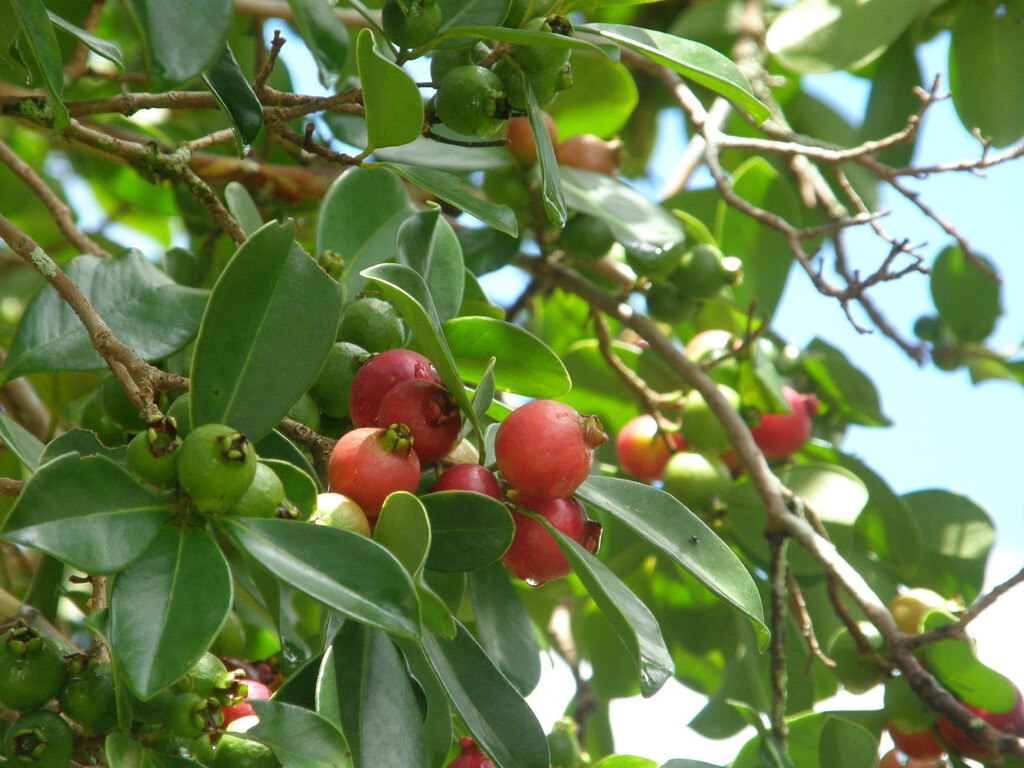
Why Strawberry Guava Is So Problematic
Strawberry guava is a classic example of an invasive species that escapes cultivation. Native to southeastern Brazil, it found Hawaii's conditions ideal: no natural enemies, plenty of rainfall, and tolerant of various soil types.
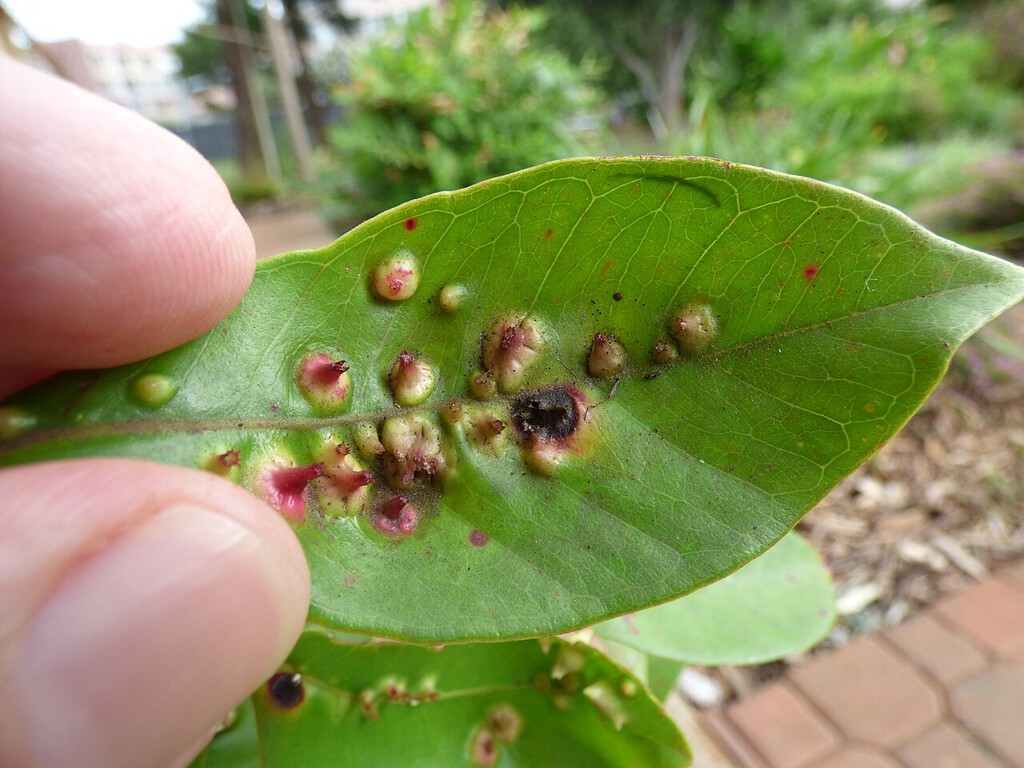
Its rapid reproduction and ability to sprout from roots make it nearly impossible to eradicate manually. The tree also alters soil chemistry and fire regimes, further disrupting native ecosystems.
The Fight Against Strawberry Guava
Controlling strawberry guava requires innovative approaches. Authorities have turned to drones to map and monitor infestations, allowing targeted removal efforts. The longer history behind the story is traced in Strawberry Guava: From 1825 Food Crop to Invasive Threat in Hawaii.
But the most promising weapon may be biological control. The insect T. ovatus, a natural enemy from the tree's native range, is being tested as a means to curb its spread. The background to this story is set out in Tropical Storm Lala Threatens Hawaii with Hurricane-Force Winds. A related thread runs through Supercharged El Niño Puts Hawaii in Bullseye of More Storms. Earlier coverage in Tropical Storm Moke Poised to Slam Hawaii with Heavy Rain shows how the argument developed.
- Strawberry guava was introduced to Hawaii in 1825 for its fruit.
- It has become a major invasive species, threatening native forests.
- Drones are used to detect and manage infestations.
- Biological control with T. ovatus shows potential for long-term suppression.
Comparing Control Methods
| Method | Advantages | Challenges |
|---|---|---|
| Manual removal | Immediate results | Labor-intensive, impractical for large areas |
| Herbicides | Effective | Environmental risks, requires permits |
| Drones | Efficient mapping | Limited to monitoring, not control |
| Biological control (T. ovatus) | Self-sustaining, targeted | Slow to establish, regulatory hurdles |
What the Future Holds
The battle against strawberry guava is far from over. While biological control offers hope, it will take years to see significant impacts. Meanwhile, drones and other technologies will continue to play a role in managing the spread. A closer look at the same subject appears in Hurricane Lala Hawaii Damage: Storm Recovery and Safety. Anyone following the wider picture can start with Invasive Species Cost Australia Billions: How to Respond. The same theme surfaces in Invasive Species Cost Australia $24.5B: How to Respond, which takes a different angle.
This case highlights the unintended consequences of introducing species outside their native ranges. It also underscores the importance of early detection and rapid response in invasive species management. Context on how this played out before sits in Japan's Stray Cat Invasive Species Plan Sparks Backlash. A companion piece, Invasive Species in Spain: Why the Guadalquivir Is a Hotspot, approaches the same subject from another angle.
FAQ
What is strawberry guava?
Why is strawberry guava a problem in Hawaii?
How is T. ovatus used to control strawberry guava?
Can drones help manage invasive species?
Browse the Shop
 Acacia frida deluxe solid wood bed frame |
Bedroom bench |
Bed chest drawers |
Lingerie dresser |
Frame base |
Mirror with jewelry storage |
30 Bathroom Vanity |
Memory foam queen mattress |
Mattresses for back pain |
Nightstand set of 2 |
Grand Goldman Shop |
Civil Lawyer
Deutschland Trikot WM 2026







