

Before toilet paper became a household staple, people around the world relied on a fascinating array of toilet paper alternatives—from corn cobs and coconut shells to the Roman tersorium. These makeshift solutions reveal how recent our modern hygiene habits really are.
The first packaged toilet paper was sold in the United States by Joseph Gayetty in 1857. It consisted of loose sheets impregnated with aloe, advertised almost as a medical product to prevent hemorrhoids. Surprisingly, it was not an immediate success.
Find Original, High-end Home Decor that spark conversation at Grand Goldman Shop.

The Slow Rise of Modern Toilet Paper
For decades, Americans used whatever paper was at hand in outhouses: newspapers, almanacs, or mail-order catalogs. Recycling what arrived in the mailbox was far cheaper, and the topic was too intimate to ask for in a store.
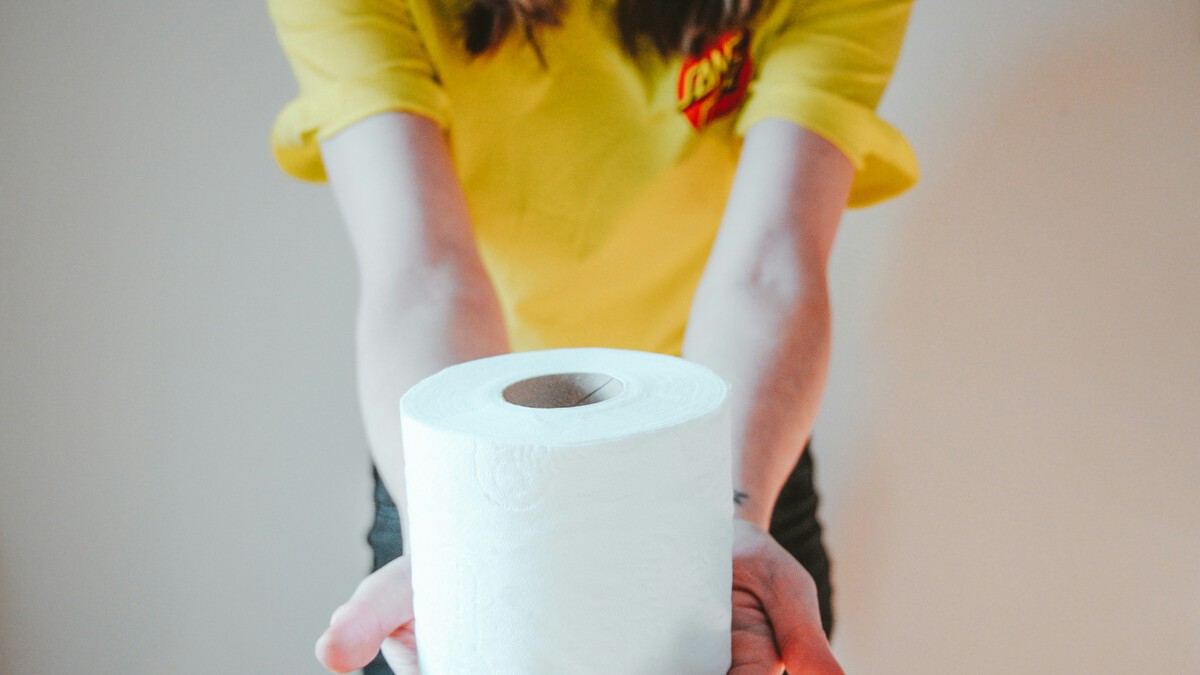
The roll changed everything. In 1871, Seth Wheeler of Albany, New York, patented perforated roll paper, officially as “wrapping paper.” In 1891, he registered another patent showing the roll hanging over, the orientation we still debate today.

What Did People Use Before Toilet Paper?
Throughout history, cultures devised ingenious—and sometimes uncomfortable—solutions. In ancient Rome, a sponge on a stick, known as a tersorium, was shared in public latrines. In rural areas, corn cobs were common, while coastal communities used coconut shells or seashells.
In many parts of the world, water was the preferred method, a practice that continues in many cultures today. The choice often depended on what was locally abundant and affordable.
Common Historical Alternatives
- Corn cobs: widely used in rural America for their absorbency and availability.
- Coconut shells: used in tropical regions, often after the flesh was eaten.
- Stones: smooth stones were chosen to avoid injury.
- Leaves: depending on the region, certain leaves were preferred for softness.
- Water: used in many cultures for cleansing, often with the left hand.
- Wool: in some cold climates, wool was used and then washed.
The Tersorium: A Shared Sponge
The Roman tersorium was a sponge attached to a stick, rinsed in vinegar or salt water after use. It was shared among users of public latrines, a fact that horrifies modern sensibilities but was standard practice in Roman society.
This tool highlights how concepts of hygiene have evolved. What we consider essential today was once unimaginable.
Why Toilet Paper Took So Long to Catch On
Beyond cost, social taboos played a role. Purchasing toilet paper was embarrassing, and many preferred to use free materials. It took marketing and industrial production to make it mainstream.
By the early 20th century, toilet paper rolls became common in American homes, but the transition was gradual. Even today, many parts of the world prefer water-based cleansing. The background to this story is set out in Funny Toilet Paper Holders. A related thread runs through Dinosaur Shaped Toilet Paper Holder Designs.
Lessons from the Past
The history of toilet paper alternatives reminds us that hygiene practices are cultural and evolving. What seems bizarre now was once normal, and vice versa. Earlier coverage in DIY Toilet Paper Holder: Aluminum & Plexiglass Wall Mount shows how the argument developed. A closer look at the same subject appears in Toilet Paper Prices Surge as US-Canada Trade War Escalates.
Understanding this history can also inform current debates about sustainability and waste. As we face environmental challenges, some are revisiting alternatives like bidets or reusable cloth. Anyone following the wider picture can start with Ideas and Shapes of Holders for Toilet Paper. The same theme surfaces in Movie Toilet Breaks: When to Wee During Summer Blockbusters, which takes a different angle.
FAQ
What did people use before toilet paper?
People used a variety of materials, including corn cobs, coconut shells, stones, leaves, wool, and water. In ancient Rome, a shared sponge on a stick called a tersorium was used.
When was toilet paper invented?
Joseph Gayetty sold the first packaged toilet paper in the United States in 1857. Perforated rolls were patented by Seth Wheeler in 1871.
Why was toilet paper not immediately popular?
It was expensive and embarrassing to buy. People preferred free materials like newspapers and catalogs.
What is a tersorium?
A tersorium is a Roman toilet brush made of a sponge on a stick, shared in public latrines and rinsed in vinegar or salt water.
Browse the Shop
 Acacia frida deluxe solid wood bed frame |
Bedroom bench |
Bed chest drawers |
Lingerie dresser |
Frame base |
Mirror with jewelry storage |
30 Bathroom Vanity |
Memory foam queen mattress |
Mattresses for back pain |
Nightstand set of 2 |
Grand Goldman Shop |
Civil Lawyer
Deutschland Trikot WM 2026
Acacia frida deluxe solid wood bed frame |
Bedroom bench |
Bed chest drawers |
Lingerie dresser |
Frame base |
Mirror with jewelry storage |
30 Bathroom Vanity |
Memory foam queen mattress |
Mattresses for back pain |
Nightstand set of 2 |
Grand Goldman Shop |
Civil Lawyer
Deutschland Trikot WM 2026










