

Ukraine is revolutionizing modern warfare by using remote drone pilots to shoot down Russian drones from up to 500 kilometers away. This shift marks a radical departure from traditional combat, where soldiers risk their lives on the front lines. Instead, highly trained operators control interceptors from secure locations, fundamentally changing the dynamics of the conflict.
The Rise of Remote Drone Pilots in Ukraine
In a groundbreaking development reported by the Financial Times, Ukraine has introduced a silent but profound change on the battlefield: the ability to fight without being physically present. From discreet basements in Kyiv, specialized operators control drones using secure internet connections rather than short-range radio frequencies. This eliminates distance as a real limitation and allows a single pilot to intervene in multiple scenarios without exposing themselves to enemy fire.
Find Original Home Decor sparking conversation at Grand Goldman Shop.

This approach reduces one of the greatest costs of war: direct human risk. It also enables highly skilled pilots to operate continuously without the fatigue and danger of front-line deployment. The implications are enormous, as it transforms the traditional logic of combat and sets a precedent for future conflicts.
How Remote Drone Operations Work
The technology behind these operations relies on robust, encrypted internet connections that provide real-time control over long distances. Unlike conventional drones that depend on line-of-sight radio signals, these interceptors can be piloted from hundreds of kilometers away. This allows operators to engage enemy drones with precision and respond rapidly to threats across different sectors.
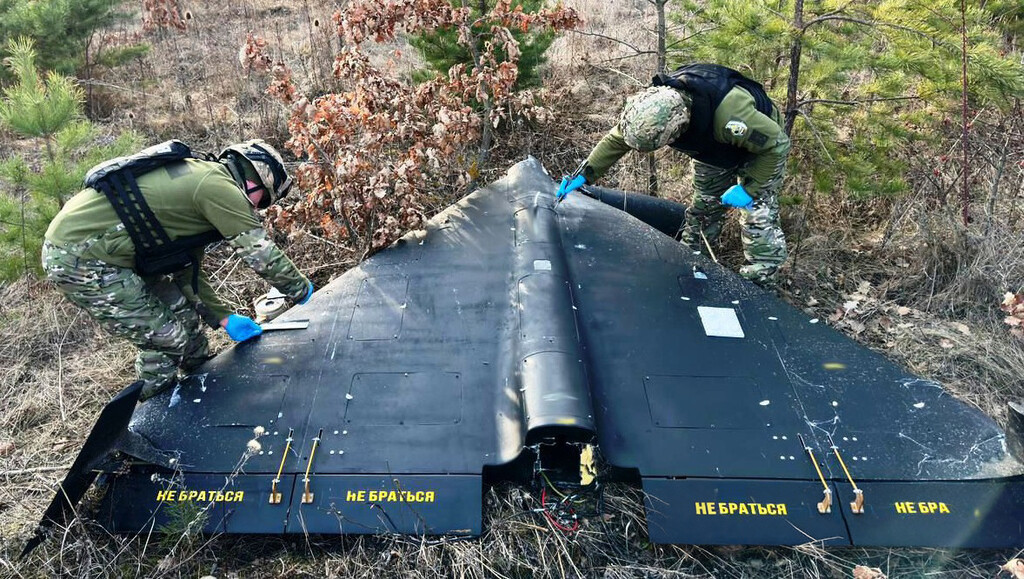
The system has been tested in real combat scenarios, including a notable instance where a drone was controlled from a hotel room 500 kilometers away to shoot down two Shahed drones. Such feats were once considered experimental curiosities but are now operational realities, demonstrating the maturity of the technology.
Key Advantages of Remote Drone Piloting
- Force protection: Pilots remain far from harm, preserving valuable human resources.
- Operational flexibility: A single pilot can control drones in multiple locations.
- Cost efficiency: Reduces the need for forward deployment and logistics.
- Rapid response: Enables immediate engagement of threats without travel time.
- Scalability: Allows for centralized control of large drone fleets.
Challenges and Limitations
Despite the advantages, remote drone operations face significant challenges. Reliable, high-bandwidth internet connectivity is essential, and adversaries may attempt to jam or hack these links. Additionally, the reliance on a central control node creates a potential single point of failure. Ukraine mitigates these risks through redundant systems and advanced encryption, but the cat-and-mouse game of electronic warfare continues. The longer history behind the story is traced in Iran's Military Doctrine Is Being Rewritten by Ukraine War Lessons. More on the surrounding debate is collected in Ukraine's Drone Modems Cripple Russia's Kerch Bridge.
Furthermore, the psychological impact on remote pilots can be profound. They witness the destruction they cause without being physically present, which can lead to unique stress and moral injury. Training and support systems are being developed to address these issues. The background to this story is set out in Ukraine Drone Pilots Train with Grand Theft Auto. A related thread runs through Russia Recruits Student Drone Pilots With No Frontline Promise. Earlier coverage in China's GJ-11 Stealth Drone: The Pilotless Bomber the US Abandoned shows how the argument developed.
The Future of Warfare: Lessons from Ukraine
The Ukrainian experience offers a glimpse into the future of armed conflict, where distance becomes irrelevant and human risk is minimized. This model is likely to be adopted by other nations, potentially lowering the barrier to entry for drone warfare. It also raises ethical and legal questions about accountability and the conduct of hostilities. A closer look at the same subject appears in Drone Warfare: How Ukraine's Tactics Downed an Apache in Hormuz. Anyone following the wider picture can start with US Air Force Tests F-22 Pilot Controlling a Drone Wingman. The same theme surfaces in Magnetic Remote Control Holder, which takes a different angle.
As technology advances, we can expect further integration of artificial intelligence and autonomous systems, but for now, the human pilot remains central—just no longer on the battlefield. Context on how this played out before sits in Taiwan Trains Citizens to Pilot Drones, Learning From Ukraine. A companion piece, China's H-07 Drone Hunter: AI Interceptor at 320 km/h Hits Mass Production, approaches the same subject from another angle.
FAQ
How far can remote drone pilots operate from the front line?
According to reports, Ukrainian operators have controlled drones from up to 500 kilometers away, using secure internet connections. This distance is limited only by connectivity and technology, not by physical proximity.
What technology enables remote drone piloting?
The system relies on encrypted internet links that provide real-time control, replacing traditional short-range radio frequencies. This allows pilots to maneuver drones as if they were on-site, using video feeds and telemetry data.
What are the main risks of remote drone operations?
The primary risks include cyber interference, signal jamming, and the potential for a single point of failure if the control center is compromised. Ukraine addresses these with redundant systems and advanced encryption.
How does this change the future of warfare?
It reduces human risk and enables more flexible, scalable operations. Other nations are likely to adopt similar models, potentially making drone warfare more accessible and changing the ethical landscape of conflict.
Browse the Shop
 Acacia frida deluxe solid wood bed frame |
Bedroom bench |
Bed chest drawers |
Lingerie dresser |
Frame base |
Mirror with jewelry storage |
30 Bathroom Vanity |
Memory foam queen mattress |
Mattresses for back pain |
Nightstand set of 2 |
Grand Goldman Shop |
Civil Lawyer
Deutschland Trikot WM 2026







